Paris mayor challenges Senegal over anti-LGBTQ+ laws
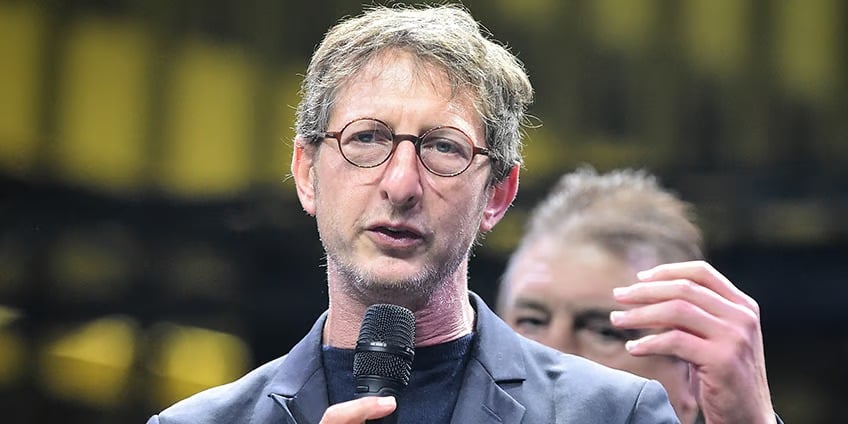
In a bold move coinciding with the International Day Against Homophobia, Ariel Weil, Mayor of Paris Centre, has ignited fresh debate over LGBTQ+ rights in Senegal. His published statement sharply condemns what he describes as a repressive legal framework and a climate of fear targeting sexual minorities in the West African nation. The intervention raises pressing questions about the interplay between national sovereignty and international human rights commitments.
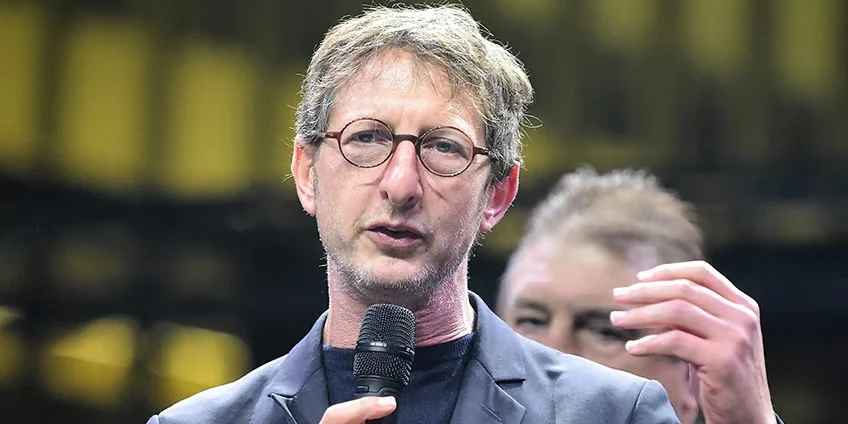
Ariel Weil’s statement, released through the French LGBTQ+ magazine Têtu, pulls no punches. He portrays Senegal as undergoing a disturbing escalation in hostility toward sexual minorities, using terms like « witch-hunt » to depict the current environment. His critique extends beyond rhetoric, targeting recent legislative changes that he argues undermine the country’s human rights obligations on the global stage.
Tighter penalties spark international concern
The Mayor’s intervention follows the adoption of a controversial amendment to Senegal’s Penal Code in March 2026. The revised legislation increases penalties for consensual same-sex relations from five to ten years in prison. It also introduces penalties for individuals or organizations deemed to promote or fund such relationships. The bill was swiftly signed into law by the Senegalese president, deepening concerns among human rights advocates about the country’s trajectory.
Weil argues that these measures represent more than a cultural or moral stance—they constitute a clear violation of international human rights standards to which Senegal has subscribed. He urges Senegal’s international partners to take a public stand against the legislation, warning that silence would effectively endorse the repression he condemns.
Diplomatic tensions rise over public criticism
The tone of Ariel Weil’s statement has drawn sharp reactions, not least for its uncompromising language. By describing the situation as a « civilizational setback » and framing it as a systematic « witch-hunt, » he has broken from the traditional diplomatic caution that usually governs such debates. The intervention underscores the growing divide between progressive European rhetoric on LGBTQ+ rights and the legal realities in parts of West Africa.