Niamey, June 5, 2026 — Niger has solidified its position as a pivotal force in the relentless battle against international drug trafficking across the Sahel. This assertion comes after a series of impactful operations spearheaded by the Central Office for the Suppression of Illicit Drug Trafficking (OCRTIS) over recent years. The substantial seizures and sophisticated network dismantling orchestrated by this specialized unit underscore the enhanced investigative and coordination capabilities of Nigerien forces in confronting complex transnational criminal organizations.
A critical nexus for global transit routes
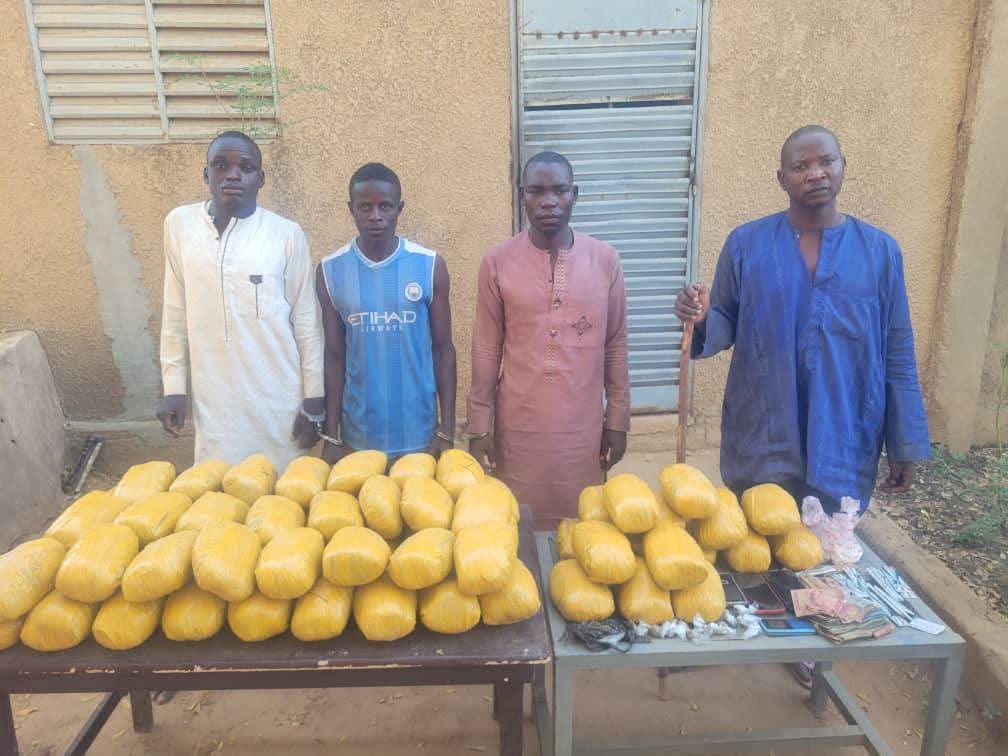
Niger’s geographical location positions it as a crucial intersection along the primary transit pathways connecting Latin America, West Africa, the Maghreb, the Middle East, and Europe. Reports from the United Nations Office on Drugs and Crime (UNODC) consistently identify the Sahel as a significant corridor for the movement of cocaine and various other illicit narcotics destined for international markets. Recognizing this critical role, Nigerien authorities, through strategic `Niger politics`, have progressively developed robust operational responses to counteract increasingly fluid and sophisticated trafficking itineraries, bolstering `Niger security` efforts.
Landmark seizures making headlines
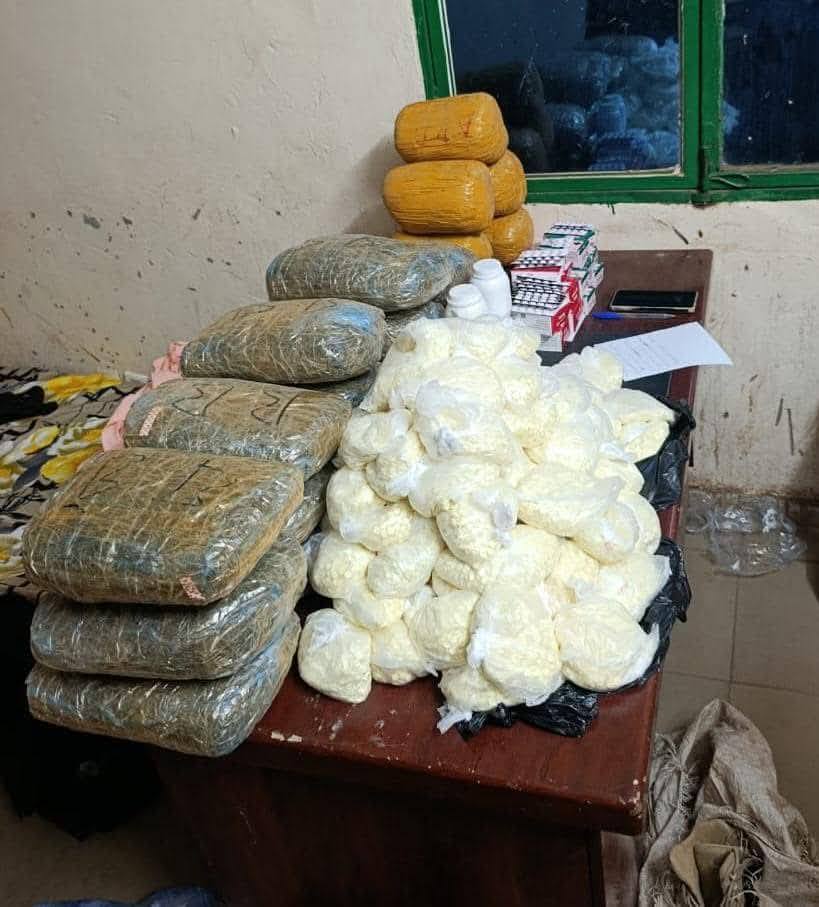
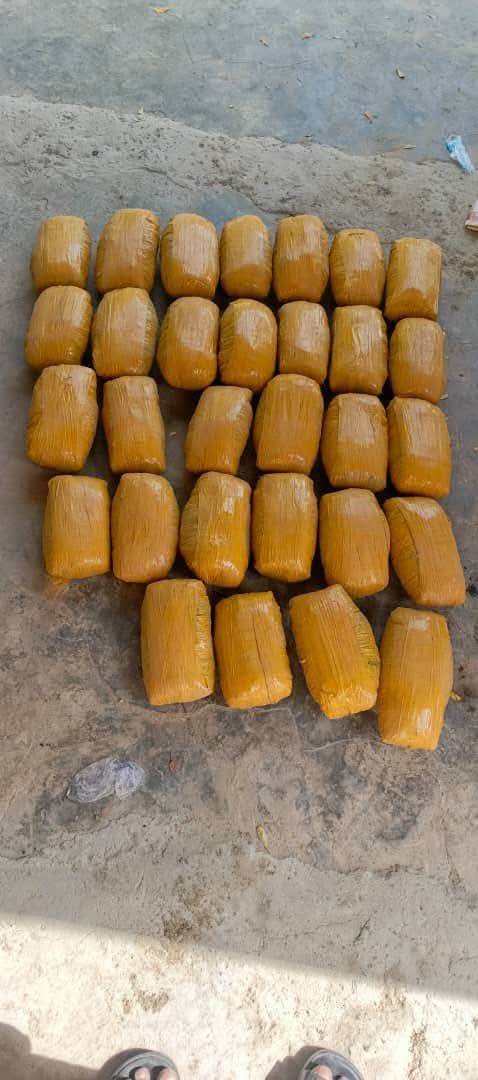
Several OCRTIS interventions have garnered both national and international attention. On March 2, 2021, a significant discovery in Niamey led to the seizure of an astounding 17 tons of cannabis resin, stored within a capital city warehouse. Investigations subsequently revealed that this massive consignment originated in Lebanon, transited through the port of Lomé, and was ultimately destined for Libya. Authorities apprehended thirteen individuals in connection with the case, estimating the street value of the illicit goods at tens of millions of dollars, a major piece of `Niamey news today`.
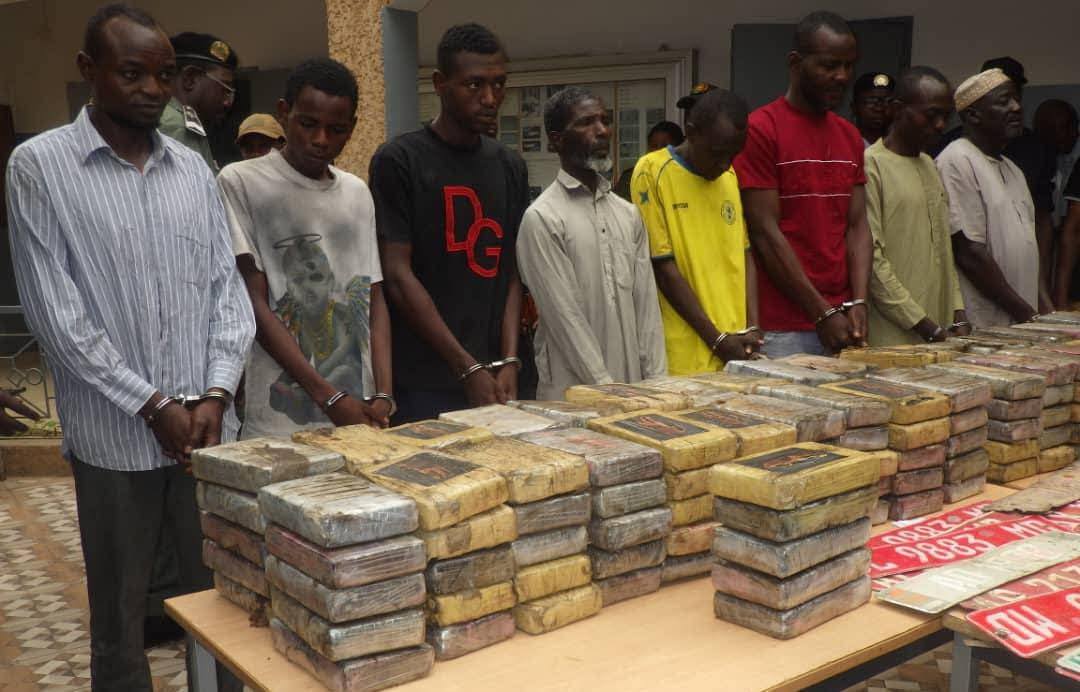
In January 2022, a meticulously planned operation in the Agadez region resulted in the confiscation of 214.635 kilograms of cocaine, valued at over 11 billion FCFA. This bust also yielded 450,000 tablets of pregabalin, multiple firearms, several vehicles, and advanced satellite communication equipment. The incident drew considerable international scrutiny due to the alleged involvement of prominent local figures within the criminal network.
Recent operations further underscore this escalating trend. On May 25, 2026, the OCRTIS announced from Zinder the seizure of 268.045 kilograms of cocaine. The drugs were ingeniously concealed within specially constructed compartments beneath the trailer of a truck. Investigators meticulously reconstructed the trafficking route, tracing it through Ghana, Togo, Benin, Nigeria, Niger, and finally, Libya. Eight individuals were arrested in this operation, which represents one of the largest cocaine seizures ever recorded on Nigerien soil.
Ongoing investigations by the OCRTIS have also established connections between this latest bust and an earlier seizure of 51.7 kilograms of cocaine in Gaya on September 29, 2025, as well as other interceptions along the critical Sahelian routes. Furthermore, on February 9, 2026, a widespread operation spanning the localities of Illéla, Tahoua, and Niamey successfully dismantled a transnational network, leading to the confiscation of 800,000 ecstasy tablets, with an estimated value approaching 8 billion FCFA. This demonstrates the proactive stance of `Niger Report` on combating drug crime.
Unwavering operations against sophisticated traffickers
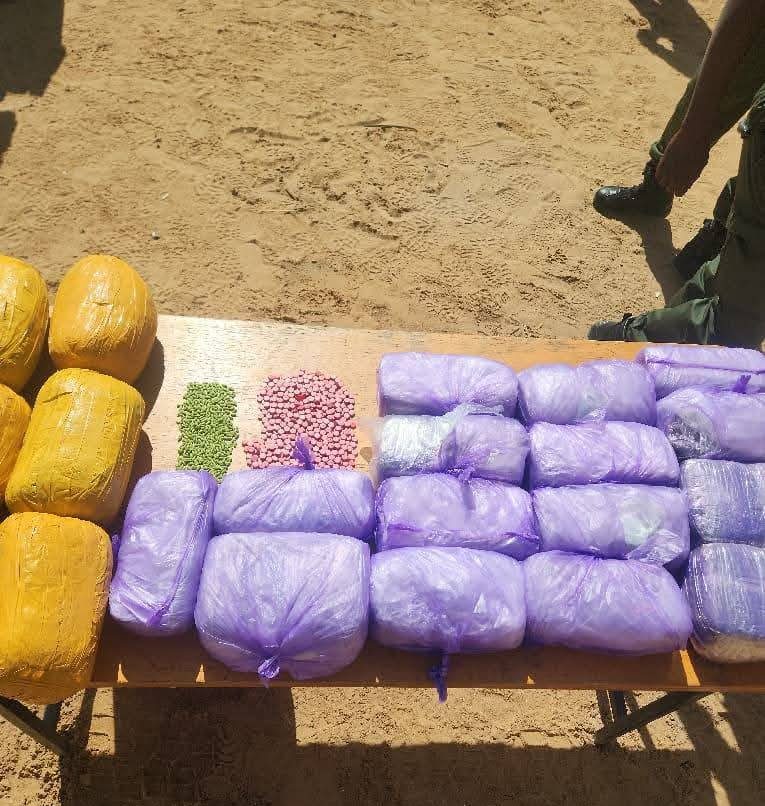
The operational scope of the OCRTIS extends far beyond these high-profile media events. For several years, the service has consistently executed targeted interventions, including the seizure of 110,000 tramadol tablets in Bitinkodji in 2018, the dismantling of various cannabis networks in Niamey in 2020, and the interception of illicit consignments bound for North Africa and the Middle East along the Sahelian axes. These sustained actions exemplify an operational continuity built upon robust intelligence gathering, vigilant surveillance, and thorough judicial investigation.
Drug traffickers are increasingly employing highly sophisticated techniques, such as custom-modified vehicles, cleverly hidden compartments, satellite phones, and intricate cross-border financial schemes. In response to these evolving methods, the OCRTIS has significantly enhanced its technical investigative capabilities and intensified its international cooperation. The office relies heavily on critical information exchange and strategic judicial and operational partnerships to trace illicit supply chains, identify masterminds, and unravel the regional ramifications of these entrenched criminal organizations, a key aspect of `West Africa Niger` security collaboration.
Leadership and the discreet efforts of Nigerien forces
Behind the remarkable work of the OCRTIS stands Commissioner General of Police Aboubacar Issaka Oumarou, the esteemed Director General of the Office. His public statements have consistently highlighted a strategic vision focused on strengthening both national and international partnerships. Yet, it is the dedicated officers, non-commissioned officers, and agents, often operating discreetly in the shadows, who execute the vital surveillance, meticulous searches, and critical arrests essential for securing these significant seizures. This understated yet resolute strategy has demonstrably yielded substantial results, ensuring `Niger security`.
Achievements and future challenges
The cumulative results — including the seizure of 17 tons of cannabis, 214.635 kg and 268.045 kg of cocaine, 800,000 ecstasy tablets, and 450,000 pregabalin tablets — firmly establish the OCRTIS as one of the most active specialized services in the Sahel dedicated to combating narcotics. These impressive figures not only highlight an augmented operational capacity but also underscore the persistent nature of the threat and the critical need to further strengthen regional cooperation to effectively curb transnational networks.
The National Police of Niger, when contacted, reaffirmed its unwavering commitment to continuing efforts against illicit trafficking. The evidence and documentation seized during these operations are now subject to ongoing judicial procedures, and legal proceedings have been initiated against all individuals apprehended in connection with these various cases, a testament to the commitment seen in `Niger news English` reports.