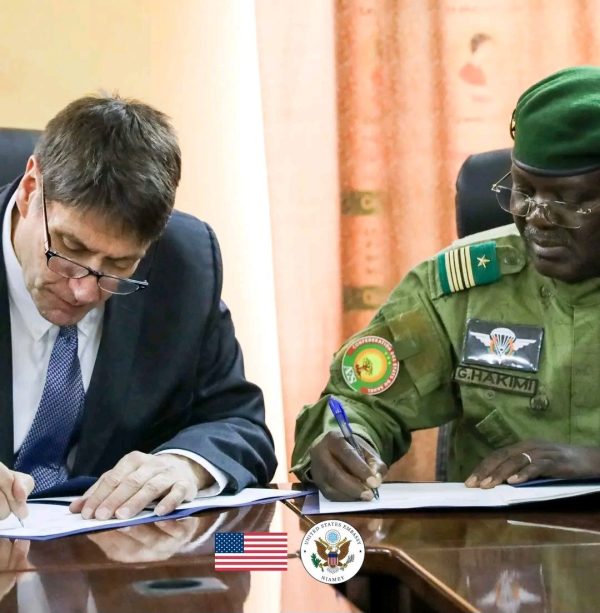
The Niger government’s recent health cooperation agreement with the United States, valued at $178 million, has sparked intense debate. Signed in Niamey on February 26, 2026, the deal falls under Washington’s America First global health strategy, with stated goals including malaria reduction, infectious disease surveillance, polio prevention, and improved maternal and child health. Yet beneath these noble objectives, serious questions about digital sovereignty and data governance linger.
Massive funding in a tight budget climate
The U.S. commitment totals $107 million over five years, while the Niger government pledges to increase domestic health spending by over $71 million. This dual investment raises concerns about fiscal sustainability, especially as Niger grapples with persistent budget constraints and escalating security demands that already strain public finances. Will this financial commitment remain viable long-term? And more critically, which sectors will face cuts to fund it?
Health cooperation or strategic data exchange?
While the agreement is framed as a technical health partnership, it includes a less-discussed clause: Niger will join a U.S.-administered health data exchange system, for which it will receive compensation. This raises urgent questions about citizen data protection and cross-border data flows. In an era where health data is a geopolitical asset, does this arrangement risk transferring sensitive medical information to American databases without adequate legal safeguards?
African precedents fuel skepticism
Recent experiences in other African nations highlight the risks of such arrangements. Zimbabwe declined a similar offer, Kenya saw its equivalent program suspended by courts last year, and Zambia rejected a billion-dollar deal over concerns about data-sharing clauses violating national interests. Against this backdrop, has Niger secured stronger legal protections, or did it prioritize immediate health needs over long-term data sovereignty?
Potential for health autonomy or dependency trap?
The $178 million could transform Niger’s health system—modernizing surveillance networks, expanding vaccination coverage, and upgrading rural clinics. Yet history shows that external funding, no matter how substantial, rarely drives lasting change without strong domestic reform. Will this partnership merely address symptoms while neglecting systemic healthcare weaknesses?
Balancing sovereignty and survival
At its core, the Niamey agreement reflects a familiar dilemma for African nations: how to attract critical investment while safeguarding decision-making autonomy. In a shifting geopolitical landscape, Niger appears to have chosen pragmatism. The real test will be whether this deal strengthens its health infrastructure or ignites broader debates about data governance and digital independence. After all, is the true cost of a partnership measured solely in dollars?