
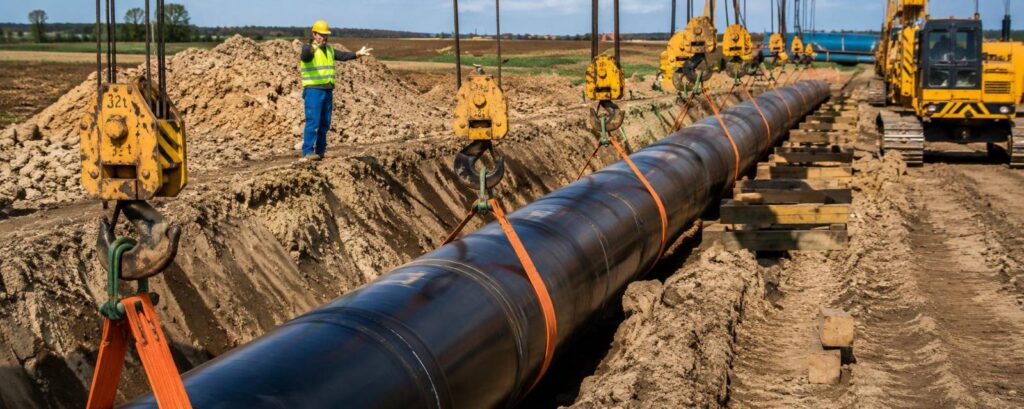
From defiance to surrender: Niger’s economic U-turn on oil partnerships
Niamey’s bold declarations of regained sovereignty and a break from former allies have met a harsh economic reality. Trapped in a suffocating financial isolation, the military-led government of Niger has just inked a series of critical oil agreements with the China National Petroleum Corporation (CNPC). The move, cloaked as a bold assertion of national pride, now appears more like an act of economic submission—desperately seeking immediate cash infusions to stabilize the country’s collapsing state finances.
The end of resistance: why Niger had to yield to Beijing
For months, authorities in Niamey had maintained an uncompromising stance against Chinese dominance in Niger’s oil sector, insisting on drastic revisions to the terms governing oil extraction and the operations of the WAPCO pipeline. Yet this defiant rhetoric soon collided with the harsh demands of governance in a country struggling to survive. With regional and international financial support evaporating, the ruling authorities found themselves with no option but to return to the negotiating table—this time, as supplicants before Beijing.
The newly signed accords, though heralded as a triumph of local job creation and a boost in state participation (now at 45% in WAPCO), reveal a more pressing motivation: the urgent need to restart oil flows and secure vital foreign exchange earnings for a treasury on the brink of collapse.
Oil cash: lifeline for the regime or curse for the nation?
Critics warn that the haste to finalize deals with Chinese firms may hide motives far removed from the public good. Political opponents and independent financial analysts suggest these agreements could serve as a convenient slush fund for the ruling elite—liquid capital flowing outside traditional international oversight. The risk? A dangerous cycle of poor governance, misallocated resources, and further neglect of essential public services across Niger.
New deals, old chains: the illusion of energy independence
By deepening its reliance on Beijing, Niger risks merely shifting the center of its geopolitical dependency. While the government highlights minor wins—such as improved local hiring standards at the Soraz refinery or expanded local subcontracting quotas—the broader picture remains troubling. Chinese state-owned enterprises continue to dominate every stage of Niger’s oil value chain, from extraction to maritime export. This structural control leaves little room for true economic emancipation.
The cautionary tales from oil-rich nations in Sub-Saharan Africa are clear: without robust institutions, transparent oversight, and a real separation of powers, oil wealth too often becomes a tool for regime consolidation rather than a catalyst for inclusive development. In Niger, the challenge is stark: will these fresh injections of Chinese capital flow into the nation’s coffers—or vanish into the opaque spending of a government still battling for internal legitimacy?