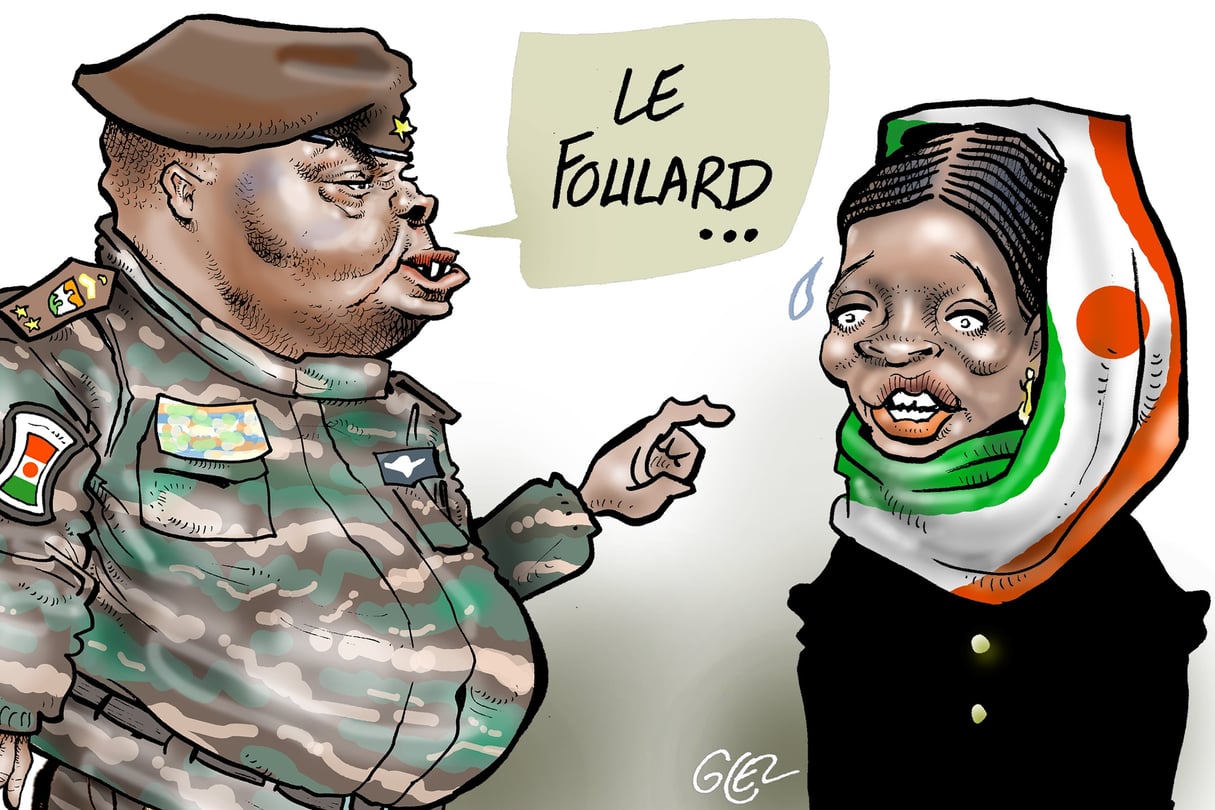
Niger President Strips Activist Mayra of Citizenship
In a decisive move that underscores Niamey’s tightening stance on dissent, Niger’s Head of State, Abdourahamane Tiani, has revoked the citizenship of prominent activist Mayra—a decision that has sent shockwaves through civil society circles.
The decree, issued without prior public notice, strips Mayra of her Nigerien nationality, a status she held for decades. The activist, known for her vocal advocacy on human rights and governance reforms, now faces an uncertain legal future. Authorities have not disclosed the specific charges or reasoning behind the decision, fueling speculation about its motivations.
Controversial Decision Raises Questions
The sudden withdrawal of citizenship has drawn sharp criticism from international observers and local advocacy groups. Critics argue that the move signals a broader crackdown on civic freedoms in Niger, where political space has been steadily narrowing since recent transitions in leadership.
Legal experts highlight that citizenship revocations are rare in Niger’s legal framework, reserved for extreme cases involving national security or fraudulent acquisition. The lack of transparency surrounding Mayra’s case has intensified concerns about due process and the rule of law in the country.
Reactions Pour In from Across the Spectrum
- Civil society groups have condemned the decision as politically motivated, warning of a dangerous precedent that could embolden further arbitrary actions against activists and critics.
- Opposition figures have called for an immediate reversal, demanding clarity on the legal basis for the revocation and questioning the government’s commitment to democratic principles.
- International partners, while cautious, have expressed concern over the implications for Niger’s human rights record and its alignment with regional stability commitments.
Meanwhile, Mayra’s legal team has vowed to challenge the decision through all available channels, including regional courts, arguing that the process violated constitutional protections.
What Comes Next?
The government’s next steps remain unclear, but the episode has already ignited debates about the balance between security imperatives and fundamental freedoms in Niger. As the dust settles, one question looms large: Will this decision mark a turning point in the country’s political landscape—or merely one chapter in a longer narrative of tightening control?
For now, Niger’s civil society watches closely, bracing for what may come next in a climate where dissent is increasingly met with decisive—and irreversible—state action.
You may also like
Nanga armored vehicles: mounting fallout, public backlash and where Burkina Faso goes from here
After the eyeglasses verdict in Cameroon, a reckoning for the press and its critics
Mali’s official narrative stirs debate as Goïta’s promises collide with daily struggles
Nanga armoured vehicles: Burkina Faso’s ‘made in Burkina’ claim sparks national debate as questions mount
Sévaré attack aftermath: Mali’s security debate and the road ahead