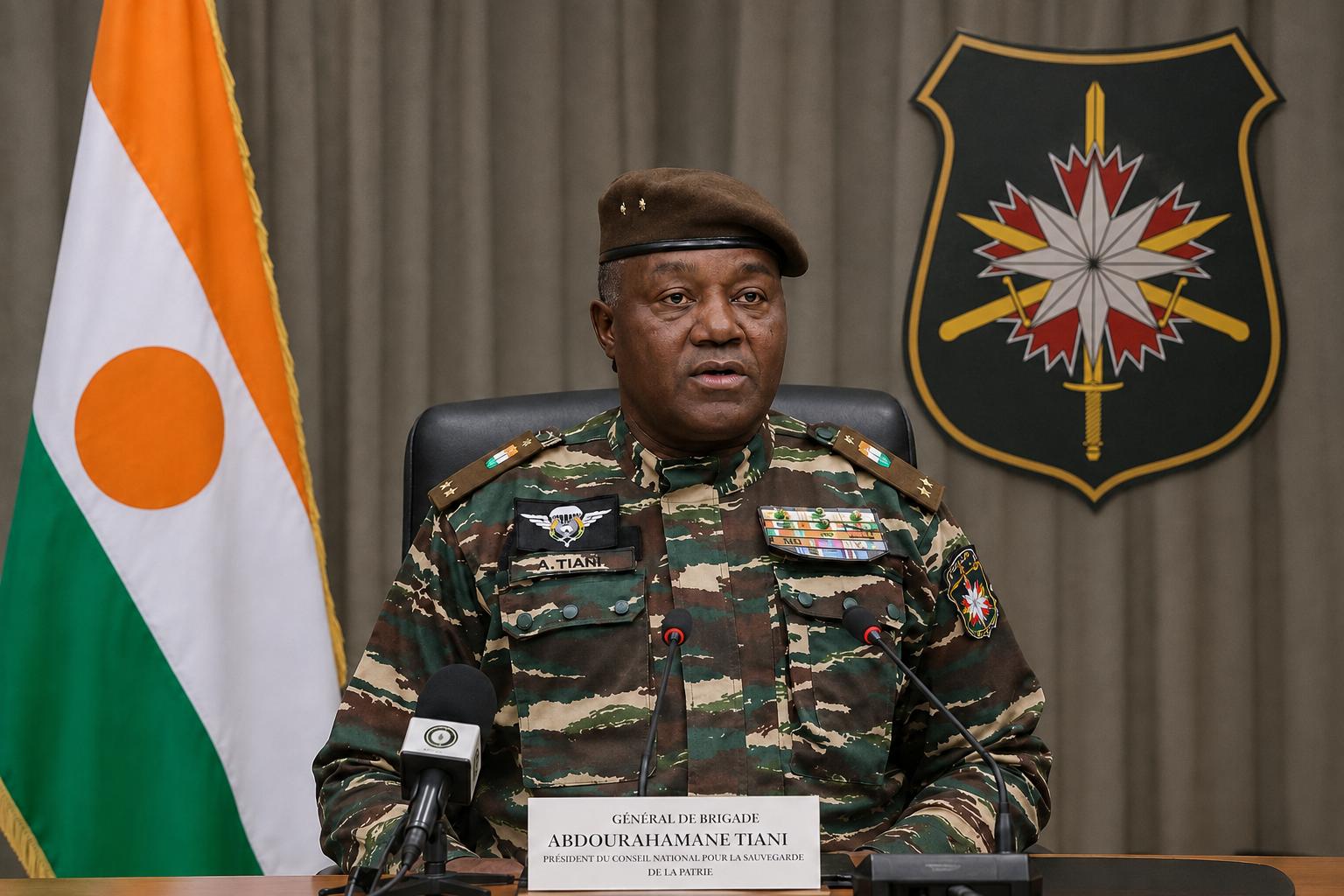
The Niger government is launching an unprecedented energy drive to tackle one of the country’s most pressing challenges. Under its latest National Energy Pact 2026-2030, Niger aims to secure over $10.3 billion in funding to connect nearly 18 million additional citizens to the national power grid by the end of the decade.
This bold initiative marks a turning point for Niger, addressing a long-standing barrier to economic and social progress: the energy access gap. The government has unveiled a monumental financial and technical roadmap, mobilizing 6,235 billion West African CFA francs—equivalent to roughly $10.39 billion—to overhaul the nation’s energy landscape by 2030.
The cornerstone of this plan is expanding electricity access to an estimated 17.9 million more people. For a country where rural communities have long lived in darkness, this project promises sweeping transformation and a brighter future for millions.
Powering the ‘Mission 300’ initiative
The initiative draws its strength from a broader regional movement, the ‘Mission 300,’ a high-impact alliance co-led by the World Bank and the African Development Bank (AfDB). This pan-African effort is designed to lift millions out of energy poverty across the continent.
By aligning Niger’s energy pact with this global momentum, the country positions itself to forge strategic partnerships that will turn policy promises into tangible infrastructure on the ground.
Energy independence through a diversified mix
The massive investment responds to two critical needs: increasing domestic energy production and diversifying supply sources. To reduce reliance on costly imports, Niger’s strategy prioritizes decentralized infrastructure and renewable energy, with a strong focus on solar power. Funds will not only expand the national grid managed by Niger’s national electricity utility but also deploy decentralized systems—mini-grids and standalone solar kits—specifically for remote rural areas.
Fueling economic growth and development
Beyond lighting homes, this 6,200 billion FCFA plan is a catalyst for national economic transformation. Reliable and affordable energy is central to modernizing critical social services such as healthcare and education, fostering job creation, and supporting the processing of local agricultural and mineral resources. By connecting an additional 17.9 million people within four years, Niger is laying the foundation for sustainable economic sovereignty—a transformative leap for a Sahel nation.