N’Djamena students turn holiday time into cash with cassava sales
During school breaks in N’Djamena, students like Léa are selling cassava to fund their education and gain financial independence amid widespread poverty.
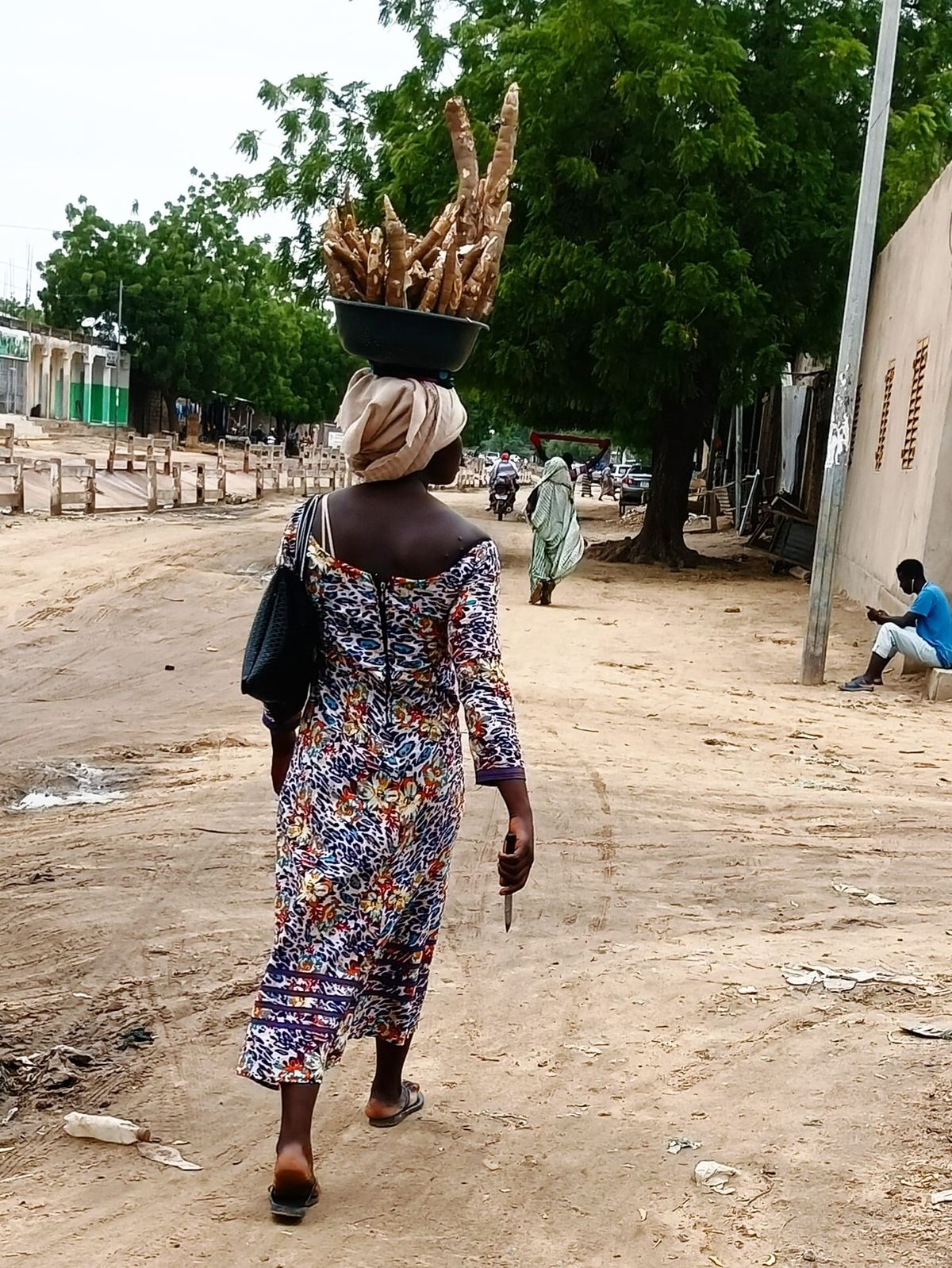
For many students in N’Djamena, school breaks aren’t just about rest—they’re an opportunity to earn money and build resilience. Léa, a high school student living in the Kilwiti neighborhood, is one of them. With a basin balanced on her head, she navigates the capital’s streets daily, selling cassava to passersby.
“I live with my mother in Kilwiti,” she says. “I use my vacation to sell cassava so I can save for the upcoming school year.”
The cost of cassava fluctuates between 50 and 500 FCFA, and Léa isn’t the only one balancing textbooks and trade. Many young women in the city have turned to this side hustle to support their families and education. Yet, the work comes with challenges.
“Cassava prices keep rising,” she explains. “Some customers think 100 or 200 FCFA is too much for a portion. But we buy at wholesale prices—selling below cost isn’t an option.” Despite the hurdles, she notes that some buyers recognize their effort and encourage them to keep going. The country’s economic struggles are undeniable.
Poverty’s grip on Chad
The World Bank reports that nearly 45% of Chad’s population lives below the national poverty line. Extreme poverty is even more widespread, with over 36% surviving on less than $2.15 per day. The country also ranks among those with the lowest human capital indices, leaving young people with limited pathways to progress.
Building futures, one sale at a time
Beyond immediate financial gains, Léa’s venture reflects a growing mindset among Chad’s youth. With job markets unstable and formal education failing to guarantee stable careers, students are taking initiative. By blending schoolwork with small business, they’re learning financial discipline, resilience, and early adaptability—skills that could shape their futures far beyond the classroom.