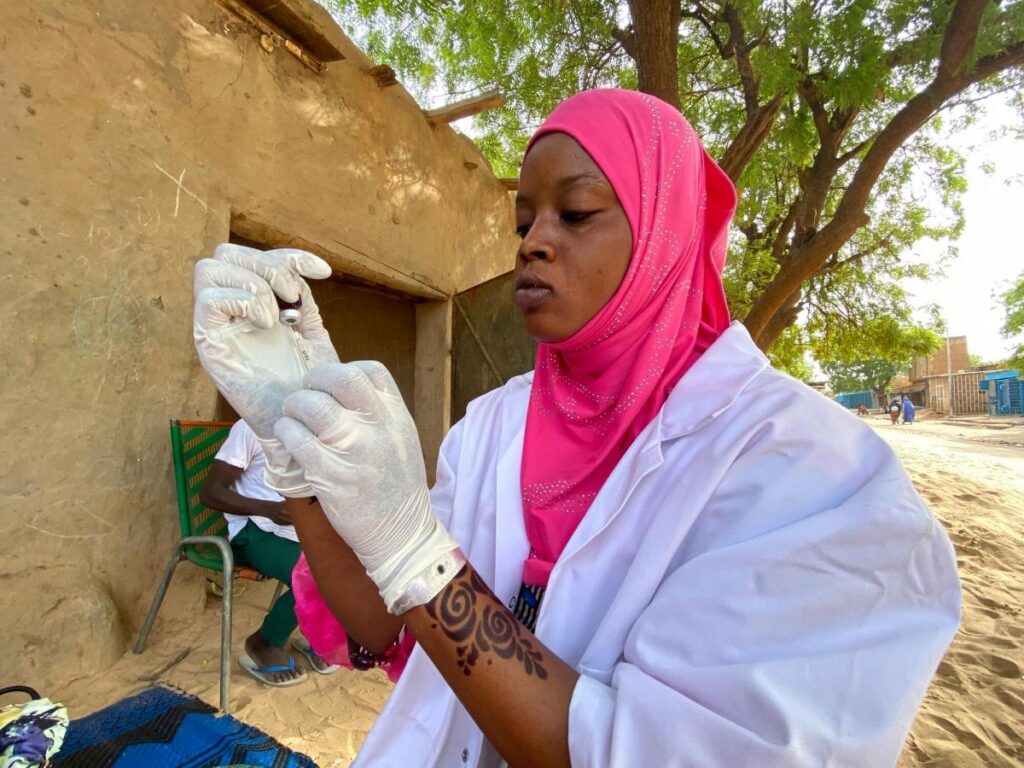
measles outbreak in Niger: rising cases and vaccination challenges
Dr. François Rubona serves as the medical coordinator for Médecins Sans Frontières in Niger. Since February, MSF teams have been conducting vaccination campaigns in multiple regions to combat early measles outbreaks. Here’s an overview of the current epidemic situation.
what is the measles epidemic situation in Niger?
This year, Niger has seen a dramatic surge in measles cases compared to 2020. Official data from the Niger Ministry of Public Health reveals that in the first quarter of 2021 alone, the country reported 3,213 measles cases, a stark increase from 1,081 cases during the same period in 2020 — nearly three times higher. By April, reported suspected cases had already exceeded 6,000. The outbreak has resulted in 15 deaths, with 27 of 73 health districts now classified as measles epidemic zones. The regions of Agadez, Dosso, and Tahoua are among the hardest hit.
Measles remains one of the most contagious viral diseases globally and a leading cause of childhood mortality. The World Health Organization (WHO) recommends a 95% vaccination coverage to prevent outbreaks. However, many health centers across Niger report vaccination rates below 50%. In areas like Diffa, Tillabéry, and Tahoua, worsening security conditions — including population displacement — have disrupted access to primary healthcare, further lowering immunization rates. The epidemic has also unfolded amid the Covid-19 pandemic, which imposed additional barriers to routine and catch-up vaccination campaigns.
what challenges are MSF teams facing?
The arrival of Covid-19 in Niger in March 2020 sparked widespread fear, leading many families to avoid health centers. This resulted in fewer children receiving routine vaccinations, including those for measles.
The pandemic also strained healthcare systems: medical staff were infected or quarantined, reducing workforce availability. Healthcare efforts were redirected toward Covid-19 response, sidelining preventive services. Logistical challenges further complicated the response — travel restrictions and border closures delayed the import of essential medical supplies. This year, MSF secured nearly 700,000 vaccine doses to support outbreak response and emergency stockpiles in Niger.
Low community participation in vaccination campaigns has also been a major hurdle. Confusion between measles and Covid-19 vaccines has led to refusals in cities like Niamey and the Tillabéry region. MSF has intensified community engagement and awareness efforts to educate families on measles risks, child health impacts, and the importance of vaccination to curb transmission.
what are the epidemic forecasts for the coming months?
The measles situation in Niger remains critical, reflecting declining vaccination coverage and routine immunization services. This decline threatens to extend its impact for years if catch-up campaigns aren’t prioritized. For instance, the country has already recorded over 1,100 meningitis cases this year.
With malaria and malnutrition peaking seasonally, monitoring disease trends is crucial. Last year’s malaria surge was particularly severe and prolonged, lasting until January 2021. Combined with alarming food security and malnutrition projections for 2021, especially in regions like Maradi and Zinder — often overlooked by funders due to their distance from conflict zones — heightened vigilance is essential.