- News
- International Relations
Why Mauritania has distanced itself from Mali’s military leadership
Recent attacks on supply trucks along the Sahel border reveal more than isolated security incidents—they expose deepening instability in the commercial lifelines connecting Mauritania, Morocco, and northern Mali. Once stable trade routes, these corridors now face persistent insecurity, disrupting the flow of essential goods to populations in northern Mali and exacerbating food shortages.
The commercial arteries linking Mauritania to northern Mali have long depended on cross-border networks that once thrived under the protection of traditional trade and security mechanisms. For decades, merchants, transporters, and herders relied on these routes to move goods between Nouakchott’s ports and cities like Tombouctou and Gao.
These connections were not merely economic; they fostered humanitarian ties as well. Since the early 1990s, Mauritania has provided refuge to hundreds of thousands of Malian civilians fleeing conflict. Today, over 300,000 Malian refugees and asylum seekers reside in eastern Mauritania, with many settled in or near the Mbera camp.
Eroding trust and rising tensions
The relationship between the two countries had been anchored in shared security interests. Mauritania’s authorities effectively contained early threats, preventing armed groups from establishing strongholds along the border. However, this cooperation has weakened under pressure from regional instability and shifting military dynamics.
Mali’s transitional leadership, supported by foreign military partners, has reshaped perceptions in Nouakchott. Border areas have seen increased military operations, civilian arrests, and accusations of collaboration—each incident chipping away at the trust that once sustained cross-border trade and movement.
Analysts warn that these tensions have weakened the local networks that once defined life along the frontier. Composed of traders, transporters, and traditional leaders, these networks formed the backbone of stability. As trust eroded, gaps emerged, allowing armed groups to exploit once-secure routes for illicit activities.
Commercial isolation and regional implications
The decline in trade has left northern Mali increasingly isolated. Markets that once depended on goods transiting through Mauritania now face shortages, while the flow of fuel, food, and other essentials remains irregular. The once-reliable trans-Saharan routes are no longer safe, forcing communities to adapt to a harsher economic reality.
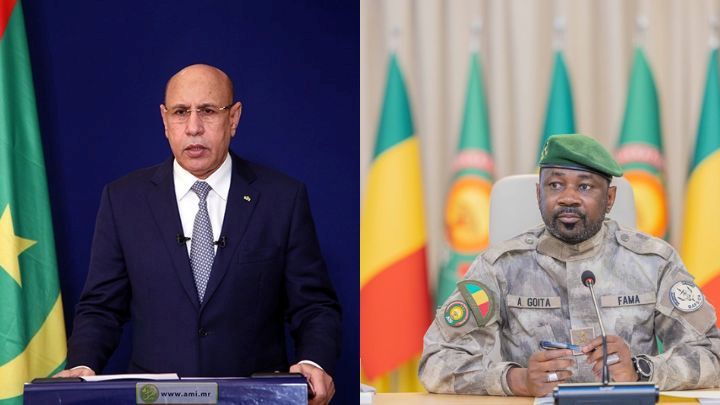
What was once a model of cross-border cooperation has become a cautionary tale of how security threats and political shifts can unravel decades of stability. Mauritania, once seen as a stabilizing force for Bamako, now finds itself at odds with the military leadership in Mali. The shift reflects deeper tensions in regional alliances and a redefinition of priorities in the Sahel.