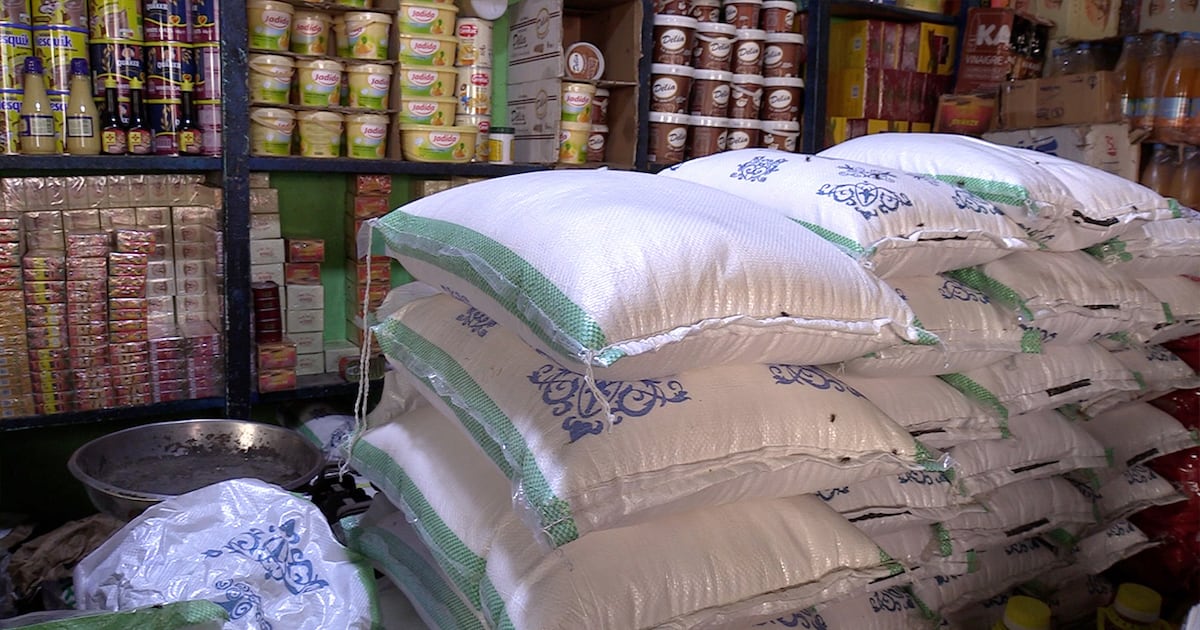
As conflicts rage in the Middle East, Mauritania has implemented sweeping price controls to curb rising costs of essential food products. Authorities are taking proactive measures to prevent traders from inflating prices of staple goods such as rice, oil, and sugar.
Teams of inspectors have been deployed across Nouakchott, with operations expanding to other regions to monitor market conditions. Their tasks include tracking stock levels, safeguarding consumer rights, and cracking down on fraudulent practices.
Aissata Bâ, a marketing agent handling imported food items like Kadi (broth), Jedida (butter), and Delia (chocolate), confirms stability in pricing. She states, “We haven’t raised prices yet, despite global market fluctuations.”
Fatimetou mint Ahmed, a local consumer, echoes this sentiment. She notes that basic goods—oil, rice, sugar, and milk—remain priced consistently. “There’s been no real increase, just rumors that haven’t materialized.”
Mohamed ould Bouh, a trader, adds that the market remains calm, with no signs of tension or price hikes. Businesses are operating smoothly under the new regulatory framework.
To enforce compliance, authorities are imposing strict penalties on violators. In late March, the government shut down multiple non-compliant shops and fined dozens for unjustified price surges, part of a broader campaign against market manipulation and anti-competitive behavior.