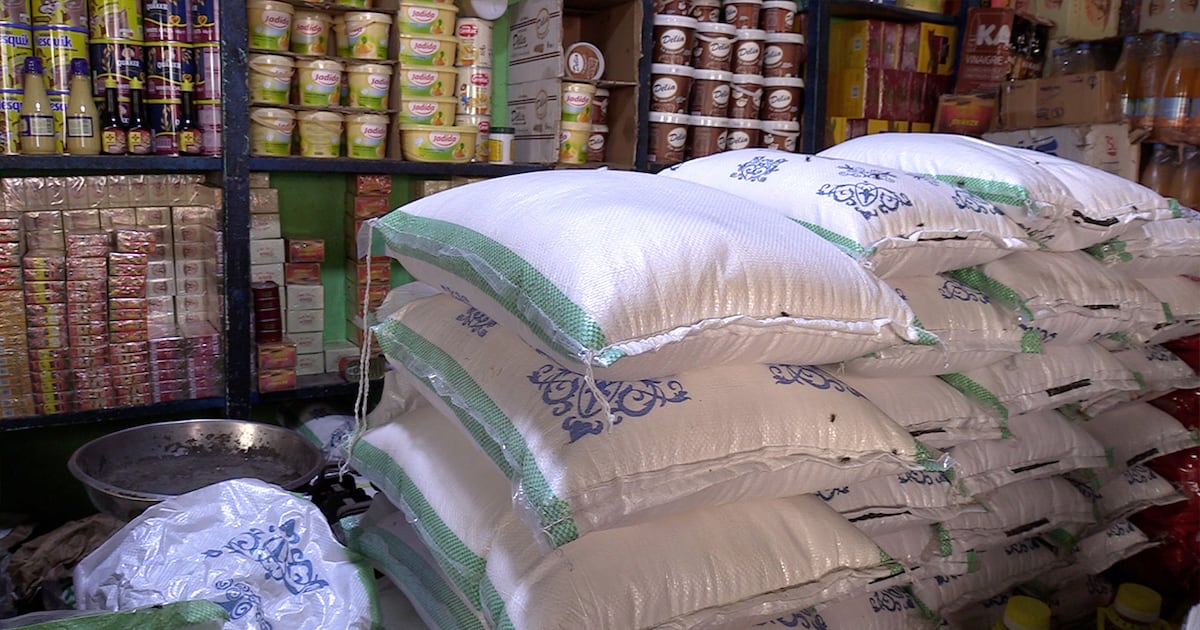
As the ripple effects of the Middle East conflict drive up global food prices, Mauritanian authorities have rolled out a sweeping price monitoring initiative to curb rising costs of essential goods. The campaign targets staple items such as rice, cooking oil, and sugar, aiming to prevent unjustified price hikes and protect consumers.
Market vigilance intensifies across Nouakchott and beyond
Teams of inspectors have been deployed across Nouakchott’s markets, with operations expanding to other regions. Their mission includes tracking stock levels, safeguarding consumer rights, and cracking down on fraudulent practices that could destabilize the market. The move reflects a proactive stance to maintain price stability amid external economic pressures.
Traders and consumers report no immediate price surges
Aissata Bâ, a marketing agent for imported food products like Kadi (bouillon), Jedida (ghee), and Delia (chocolate), confirms that her prices remain unchanged. «For now, we’re holding steady,» she says. Similarly, consumer Fatimetou mint Ahmed notes that despite occasional rumors, basic goods like oil, rice, sugar, and milk continue to sell at their usual rates.
Mohamed ould Bouh, a local trader, echoes this sentiment, stating that the market remains calm with no signs of tension or price volatility. «Prices are holding firm,» he adds.
Government enforces strict penalties on violators
To reinforce compliance, authorities have imposed heavy fines and shuttered dozens of non-compliant businesses. In late March, the Prime Minister Mokhtar Ould Diay announced that inspections had uncovered violations, prompting swift action under the government’s broader campaign to combat unfair pricing and anti-competitive behavior.