Malnutrition in Mali: a critical public health challenge
With a population of 15 million, Mali faces a persistent public health crisis: malnutrition. Despite increased prevention efforts, pockets of severe nutritional deficiencies remain widespread across the country. Here’s an in-depth look at the situation.
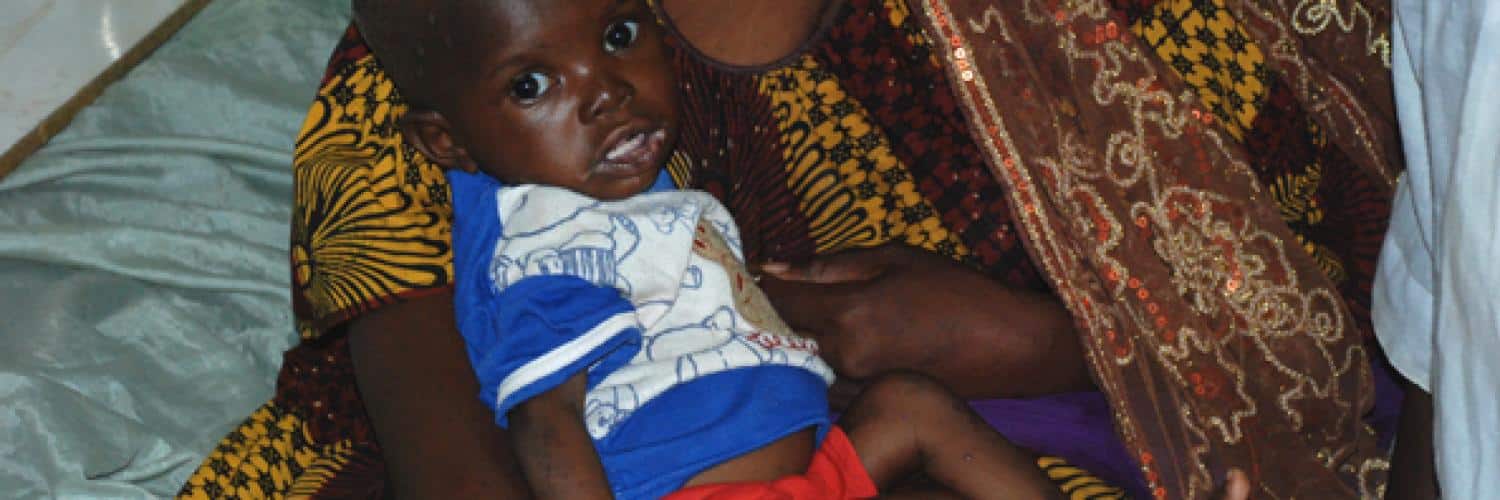
Malnutrition in Mali is a silent yet devastating issue, with far-reaching consequences for families and the nation. Tragically, nearly one in five children in the country does not survive past the age of five, a statistic deeply intertwined with poor nutrition. The crisis is further exacerbated by closely spaced pregnancies, which strain family resources and increase the risk of malnutrition for both mothers and infants.
Nutritional deficits exceed global alert thresholds
Global acute malnutrition (moderate and severe) affects 15% of Mali’s population, surpassing the international alert threshold of 10%. Chronic malnutrition is even more alarming, striking 38% of children under five—nearly double the 20% WHO alert level. These figures highlight the urgent need for intervention.
Another pressing concern is iron deficiency, which plagues over 80% of children under five and 65% of women in Mali. This is among the highest rates globally and poses severe risks to cognitive development in children and maternal health. Iron deficiency in mothers, for instance, increases the likelihood of delivering malnourished babies, perpetuating a vicious cycle.
With 40% of Mali’s population affected, malnutrition has become a grave health burden, demanding immediate and sustained action.
Key initiatives to combat malnutrition
The Malian government has implemented a clear national nutrition policy to prioritize prevention and improve care. This strategy includes mobilizing funds to strengthen the sector and address critical gaps. One notable achievement is the universal salt iodization program, which aims to combat iodine deficiency disorders. Today, 79% of Malian households use iodized salt, though the goal remains 90%.
Nutrition Intensification Weeks (NIW) have been held twice annually since 2005, covering 95% of the country. These campaigns target children aged 6 to 59 months and have become a cornerstone of community awareness and prevention. During NIW, the government and humanitarian partners promote essential interventions such as vitamin A supplementation and deworming tablets, which significantly reduce child mortality rates.
The community-based approach championed by UNICEF and partners focuses on educating local populations to identify early signs of malnutrition, detect severe cases, and provide timely care. By integrating malnutrition screening into routine health activities, these efforts aim to create lasting change. “To amplify impact, we must continue raising awareness about the root causes of malnutrition,” says Médiatrice Kiburente Touré, emphasizing the importance of clean water and comprehensive health education.
Progress is evident: by 2010, 50% of children with severe acute malnutrition were receiving treatment, with coverage steadily improving. However, the fight against malnutrition in Mali is far from over, requiring continued collaboration and investment.