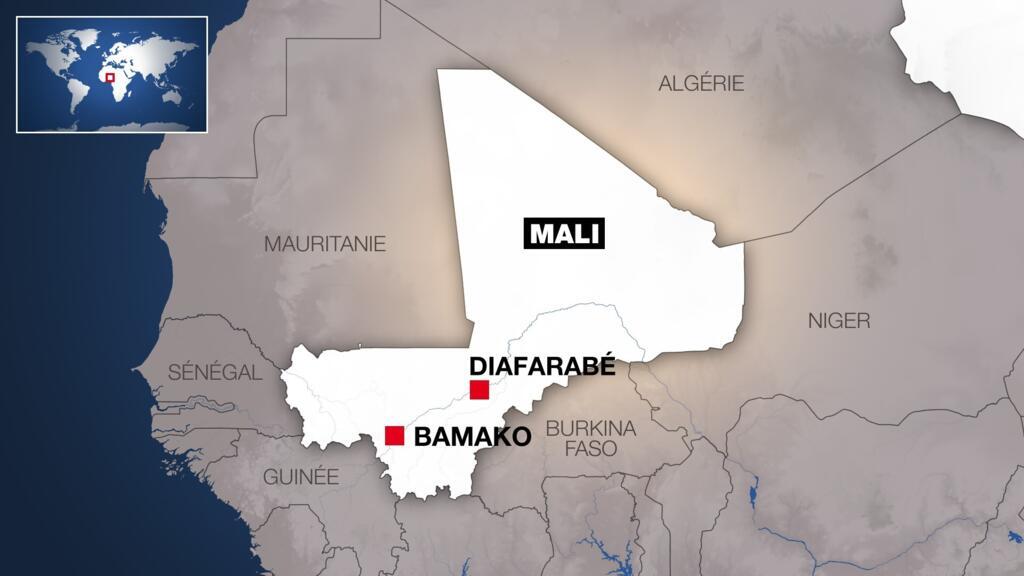

Addressing the diplomatic corps in Bamako, Mali’s Foreign Minister Abdoulaye Diop firmly rejected calls from certain local political factions for dialogue with jihadist groups controlling parts of the nation. Diop emphasized, “I must clarify that the government does not foresee any negotiations with these lawless terrorist armed groups, who bear responsibility for the tragic events our people have endured for years.”
The current strategy unequivocally prioritizes military engagement on the ground. To this end, Mali has recently acquired additional Russian military hardware, according to available information.
In the northern regions, a primary objective for Malian authorities is to regain command of Kidal, a city currently held by armed factions. This strategic focus likely explains why Russian mercenaries and the Malian army, following their withdrawal from two other areas within the Kidal region, have established and fortified their positions in Aguelok, another key town in the vicinity.
Concurrently, in the South, the immediate goal involves clearing all vital transport routes that have been obstructed by jihadist forces, who have imposed fresh blockades. As of Saturday, numerous vehicles, passengers, and essential goods remained stranded across various parts of the country due to these impediments.
Blockades severely impact local populations
The humanitarian crisis in Diafarabé, located in the Mopti region of central Mali, continues to be dire. The town has been under a severe blockade by the Jnim group for nearly a year, specifically since May 12, 2025.
An urgent plea for assistance, issued to transitional authorities last Saturday via a widely circulated video on social media, has so far yielded no tangible results, according to residents contacted. The scarcity of food and essential supplies has now reached a critical threshold. With dwindling food reserves, almost no medicine, and insufficient healthcare, the population is exhausted by the prolonged blockade. Amidst fear, shortages, and isolation, inhabitants describe living in profound despair, as attested by one resident reached by phone:
“No one enters, no one leaves; the blockade is absolute. All our food reserves are depleted, and famine is taking hold. We spoke with military detachment officials who pledged to send provisions via an upcoming convoy, but we are still waiting. This discussion followed protests by our youth and women. The despair is overwhelming; there is nothing left! Previously, during flood season, we managed to bring in some supplies by river, little by little, despite the immense risks. I myself was shot during one such attempt, fracturing my arm. I’m much better now, but here, it’s purely about survival. Our only desire right now is to have food. That is all we ask for.”