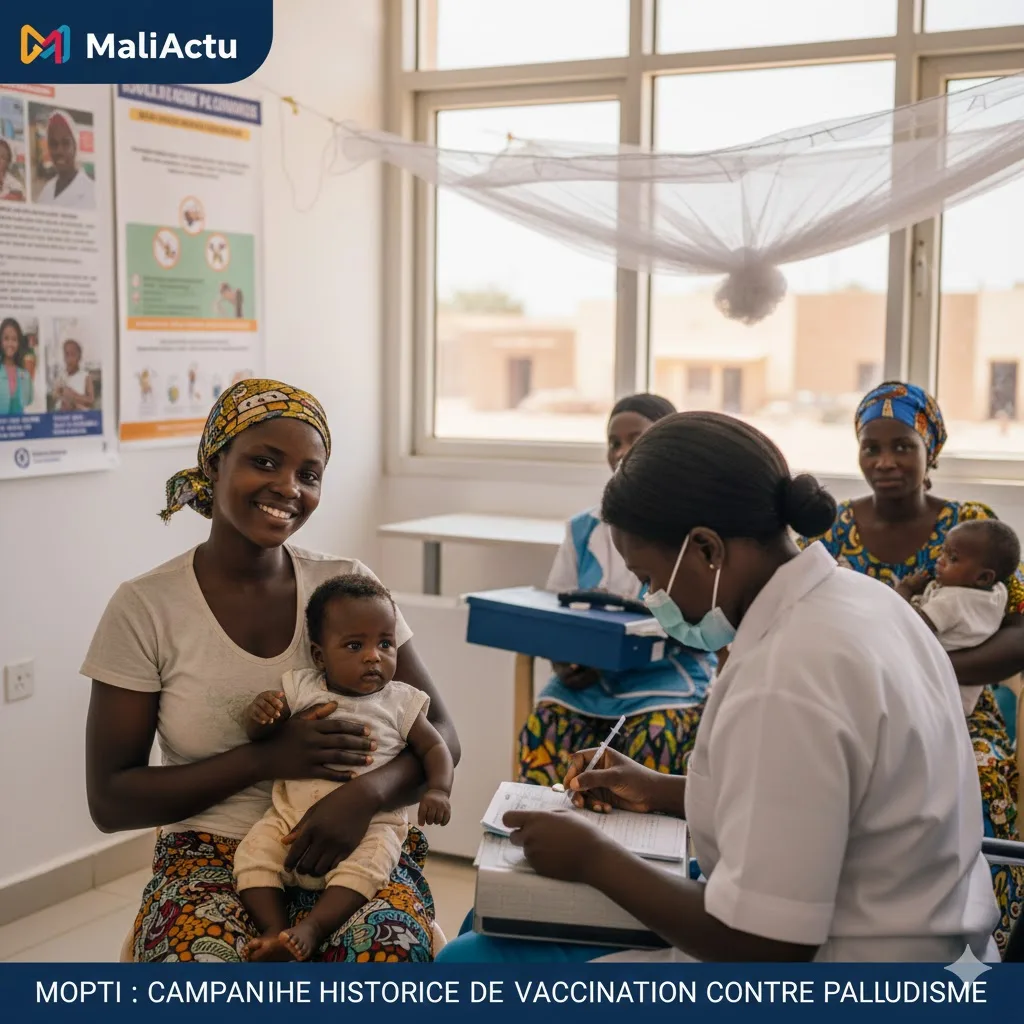
The Republic of Mali has taken a groundbreaking step in its fight against malaria by introducing the R21/Matrix-M vaccine, endorsed by the World Health Organization (WHO). In the regions of Kayes and Mopti, a pioneering “hybrid” vaccination strategy is now protecting thousands of Malian children from this deadly disease.
The country’s public health sector is making remarkable progress, supported by global partners like WHO, Gavi, and UNICEF. By integrating the R21/Matrix-M malaria vaccine into its Expanded Programme on Immunization (EPI), Mali is setting a new standard in disease prevention. This initiative focuses on 19 high-risk districts across five regions, with Kayes and Mopti leading the way as critical test zones.
How the hybrid vaccination strategy works
Unlike traditional vaccines, Mali’s approach combines two key methods to maximize protection against malaria:
- Age-based dosing: Ensures children develop immunity from an early age, providing a strong foundation against infection.
- Seasonal administration: Doses are strategically timed to align with the rainy season, when mosquito populations—and malaria transmission—peak. This timing ensures the vaccine’s protective effects are strongest when they’re needed most.
Kayes and Mopti: Frontline districts in malaria control
The selection of Kayes and Mopti as pilot regions was no coincidence. These districts face high malaria burdens, making them ideal for testing the vaccine’s real-world effectiveness. Despite logistical challenges in Mopti, seamless coordination between health services and partners has ensured smooth distribution. Meanwhile, in Kayes, community engagement plays a vital role in ensuring children receive their booster doses on schedule—a critical factor for long-term protection.
The vaccine as a critical—but not solitary—tool
Health authorities emphasize that the R21/Matrix-M vaccine is a powerful addition to, not a replacement for, existing malaria prevention strategies. To achieve optimal results, it must be used alongside proven measures such as:
- Insecticide-treated bed nets: Essential for nighttime protection against mosquito bites.
- Seasonal malaria chemoprevention (SMC): The vaccine complements preventive medications already distributed to at-risk populations.
Aiming for a dramatic drop in child mortality
The primary goal of this vaccination drive is to significantly reduce malaria-related deaths among children under five—the age group most vulnerable to the disease. If the hybrid strategy proves successful in Kayes and Mopti, Mali plans to expand coverage nationwide, potentially saving countless young lives.