The DRC’s Path to National Reconciliation
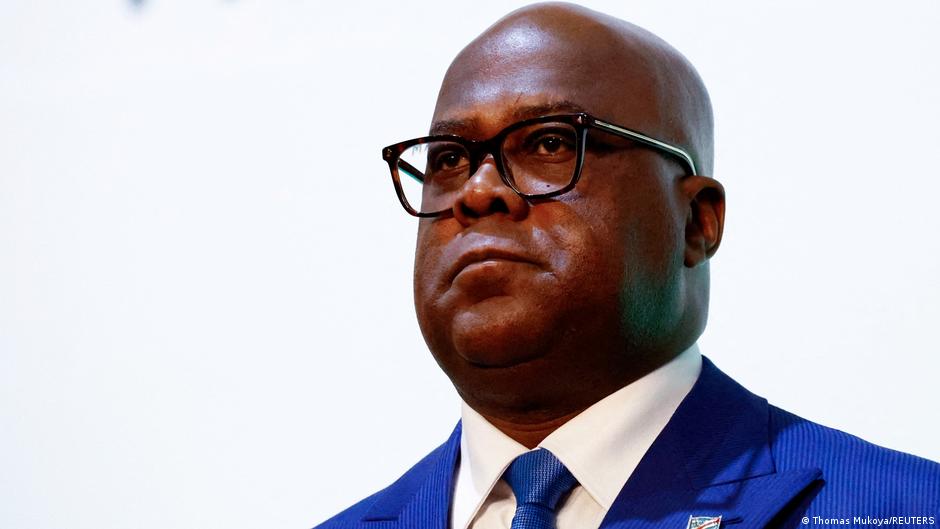
Félix Tshisekedi’s announcement of a national dialogue has sparked hope for a more inclusive and peaceful political climate in the Democratic Republic of Congo.
This initiative comes after years of calls from various stakeholders, including churches, opposition parties, and civil society organizations, for a national conversation on the country’s pressing issues.
- Security in the eastern regions
- Political tensions
- Governance
- Economic and social challenges
- Necessary reforms for peace and democracy
The coalition of oppositions has welcomed the announcement, but is demanding that the president convene the dialogue before August 15th. If not, they threaten to restart civil protests.
Why Now?
- Reinforce national cohesion
- Facing persistent security threats in eastern DRC
- Creating a more peaceful political climate
- Ringing together the country’s diverse forces under the constitution
This initiative is seen as a significant evolution of the government’s stance. For years, various actors have been advocating for a national dialogue.
The coalition of oppositions has congratulated the president on his announcement and decided to postpone their planned demonstration in Kinshasa. However, they are still demanding that the president officially convene the dialogue before August 15th.
You may also like
-
Calendrier électoral au Cameroun : Joshua Osih appelle à un front commun de l’opposition
-
Can the RDC’s political dialogue bring peace and stability?
-
Boni Yayi Announces Sénateur Run, Shifts on Bénin’s Political Landscape
-
Initiatives pour la paix et la résilience communautaire au Niger : Le dialogue inclusif, une voie salutaire pour le vivre ensemble et la lutte contre l’extrémisme
-
Descendants of Serigne Touba declare Ousmane Sonko unwelcome in Touba