Mali’s military junta targets free speech with legal action against former leader
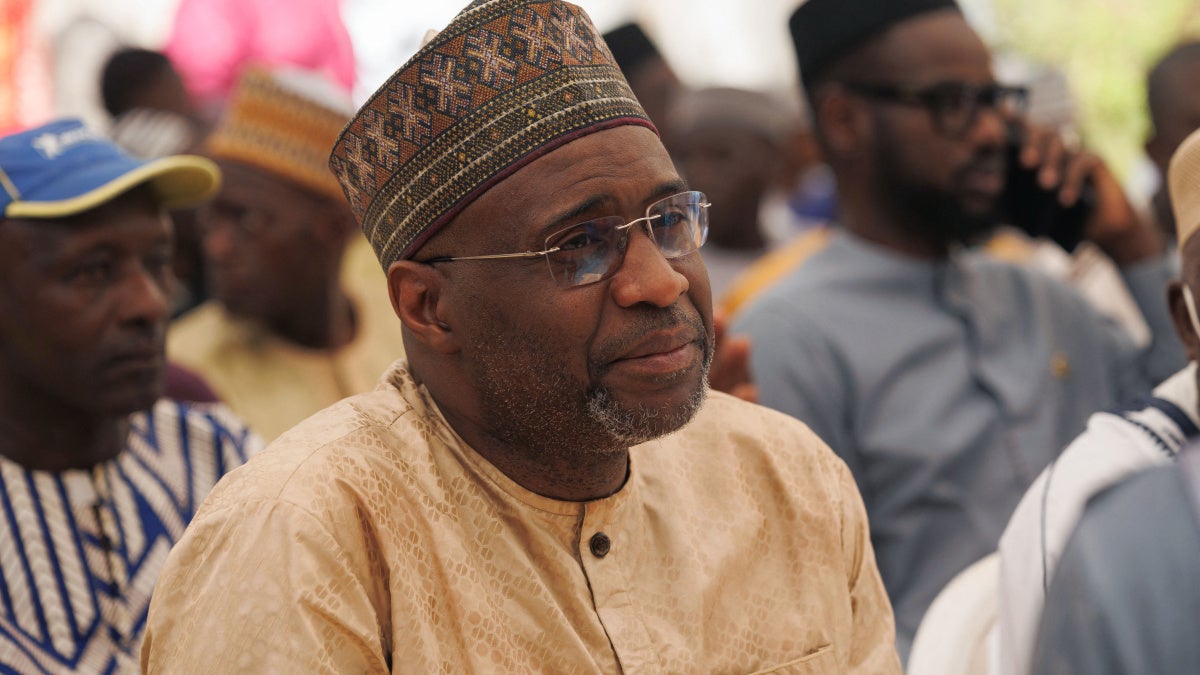
In Bamako, the capital of Mali, former Prime Minister Moussa Mara stood calmly before the judges on Tuesday as they dismissed his lawyers’ request for provisional release. Instead, prosecutors demanded a two-year prison sentence, a move that underscores the military junta’s ongoing crackdown on political opposition and dissent. This case highlights a broader pattern of repression in Mali since the 2021 coup led by General Assimi Goïta.
Why was Moussa Mara arrested?
Moussa Mara, who served as Prime Minister for eight months in 2014–2015, was detained on August 1 following a social media post. In the message, he expressed solidarity with imprisoned political opponents in Mali and pledged to seek justice for them. The authorities swiftly responded by charging him with undermining state credibility, opposing legitimate authority, inciting public disorder, and spreading false information.
His trial began on September 29 before a specialized cybercrime court, with a verdict expected on October 27. Observers and human rights advocates have raised serious concerns about the fairness of the proceedings, warning that the case sets a dangerous precedent for future dissent.
Legal experts condemn the charges as an attack on free speech
The defense team has strongly rejected the accusations, arguing they are baseless and politically motivated. “The charges have nothing to do with the content of Mr. Mara’s post on X,” stated one defense member. “This is clearly a trial targeting freedom of expression,” emphasized Barrister Mounkaïla Yayé. “It sends a chilling message to anyone who dares to criticize the regime.”
Widening crackdown on dissent under military rule
Since seizing power in 2021, the junta under General Assimi Goïta has systematically suppressed political opposition, civic space, and independent media. It has banned all political parties, jailed activists, and subjected journalists and human rights defenders to forced disappearances. The military leadership has consolidated power without holding elections, further delaying any transition back to civil democracy.
Despite widespread international criticism, the junta has refused to investigate or hold accountable security forces responsible for grave human rights abuses. In a further erosion of justice, Mali—alongside Burkina Faso and Niger—officially withdrew from the Economic Community of West African States (ECOWAS) in January 2025, stripping citizens of access to regional courts for human rights violations. In September, these three Sahel nations also announced plans to exit the International Criminal Court, further isolating victims of mass atrocities from international justice.
A call for justice and the restoration of fundamental rights
The detention of Moussa Mara is not an isolated incident—it reflects a broader climate of fear and intolerance toward dissent in Mali. Human rights organizations urge the authorities to drop all charges against him, release all arbitrarily detained individuals, and uphold constitutional guarantees of free expression. The international community continues to monitor the situation closely, emphasizing that respect for human rights and democratic principles must remain central to Mali’s future.