Can a single vague statement from the Malian military change anything in a conflict where civilian lives are increasingly caught in the crossfire? The army’s carefully worded acknowledgement of a “tragic incident” earlier this month has done little to ease concerns about the rising toll of airstrikes and their impact on local communities.
What exactly happened—and why the silence?
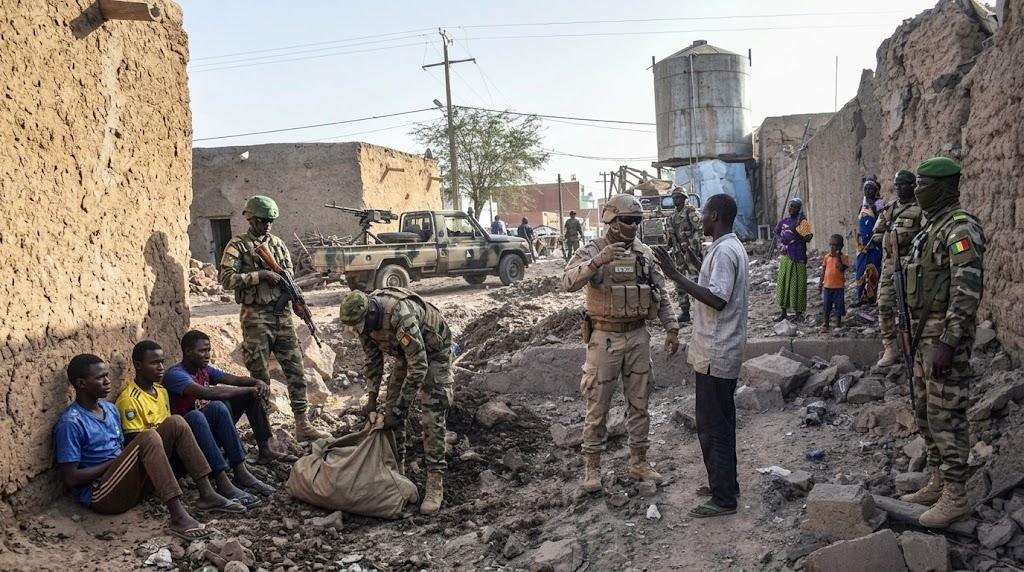
On October 14, 2026, the Malian Armed Forces released a brief statement confirming that a “tragic incident” had occurred in an operational zone, resulting in civilian casualties and injuries. Yet, the communiqué contained no details: no location, no date, no casualty figures, and no explanation of the circumstances. It only mentioned that those affected were traveling on high-capacity motorcycles between two settlements.
For observers, the lack of specificity raises immediate concerns. At a time when reports of deadly airstrikes in central Mali are growing, and human rights violations linked to military operations continue to surface, the military’s reticence only fuels suspicion. Could this incident be connected to the reported bombings in Zanakoro two days earlier?
Zanakoro: a community in mourning
According to accounts from local residents, survivors, and community leaders, at least eight people—mostly women and children—were killed in an airstrike near Zanakoro, a village in the Ségou region, on October 12. Among the victims was a pregnant woman and three young girls under ten years old. Several others sustained serious injuries, while families fled into the surrounding bush and neighboring villages.
The timing of the military’s statement and the reported strike in Zanakoro has intensified public scrutiny. Yet, without official confirmation tying the two events together, the connection remains uncertain. What is clear, however, is the devastating human cost: lives lost, families shattered, and communities left grappling with unanswered questions.
Patterns of abuse: a history of violations
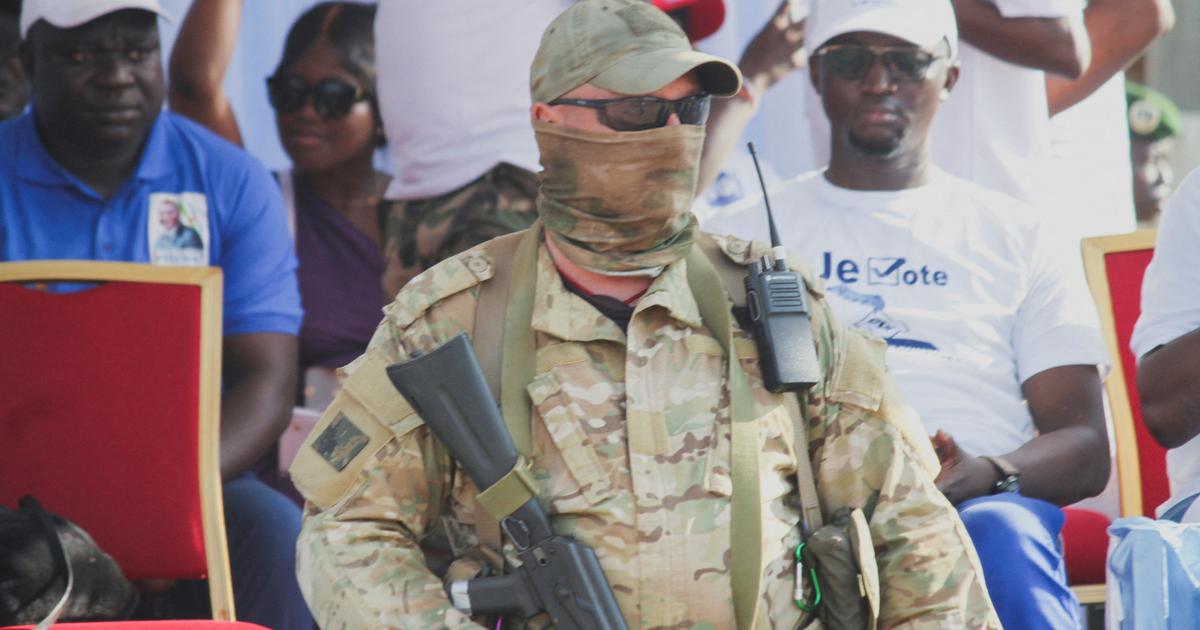
This incident is not isolated. Human rights organizations have documented a disturbing pattern of violations linked to military operations in central Mali, particularly those involving the Malian Armed Forces and their Russian partners, including Wagner Group and its successor, Africa Corps.
In a September 2026 report, Amnesty International documented seven incidents between June 2023 and December 2025 in which at least 34 civilians were allegedly killed during joint operations. The report details grave violations, including extrajudicial killings, torture, arbitrary detentions, and destruction of property. Notably, Fulani, Tuareg, and Arab communities were disproportionately affected, often targeted due to unfounded suspicions of collaboration with armed groups.
Africa Corps, which began operating in Mali in 2025 under Russian control, appears to be repeating the same patterns. Human Rights Watch reported in July 2026 that eight civilians, including three children, were killed in an airstrike attributed to Africa Corps in the village of Kyrnia, Mopti region. The attack reportedly hit near a village leader’s residence and a livestock market, raising concerns about the indiscriminate nature of the strikes.
The question looms large: if the military’s partners in counterterrorism operations are linked to such atrocities, what safeguards are in place to protect civilians?
Counterterrorism vs. civilian protection: where is the balance?
The Malian government faces a daunting security challenge. Armed groups like the Group for the Support of Islam and Muslims (JNIM) have wreaked havoc across the country, displacing thousands and destabilizing entire regions. Authorities argue that their military campaigns are necessary to restore order and security.
However, the cost to civilians cannot be overlooked. International humanitarian law mandates that all parties in a conflict distinguish between combatants and civilians, take precautions to minimize civilian harm, and avoid indiscriminate or disproportionate attacks. When civilians are killed, thorough investigations must follow to determine accountability, provide reparations, and prevent future violations.
So far, the Malian military’s reaction to civilian casualties has been marked by opacity rather than transparency. A vague acknowledgment of a “tragic incident” does little to restore trust or deliver justice to affected families.
What the military must do next
The October 14 statement, though significant, leaves critical questions unaddressed. Where did the incident occur? When did it happen? How many people were killed or injured? Were any of them civilians? Has an investigation been launched, and have the families been informed of its progress?
The lack of answers compounds the suffering of those who have lost loved ones. Families deserve more than a brief communiqué. They need truth. They need justice. And they need reassurance that their government is committed to protecting them—not just from armed groups, but from the very forces meant to safeguard them.
Until Mali’s military and its international partners demonstrate a commitment to transparency and accountability, the shadow of civilian casualties—and the unanswered questions that surround them—will continue to loom over every operation.