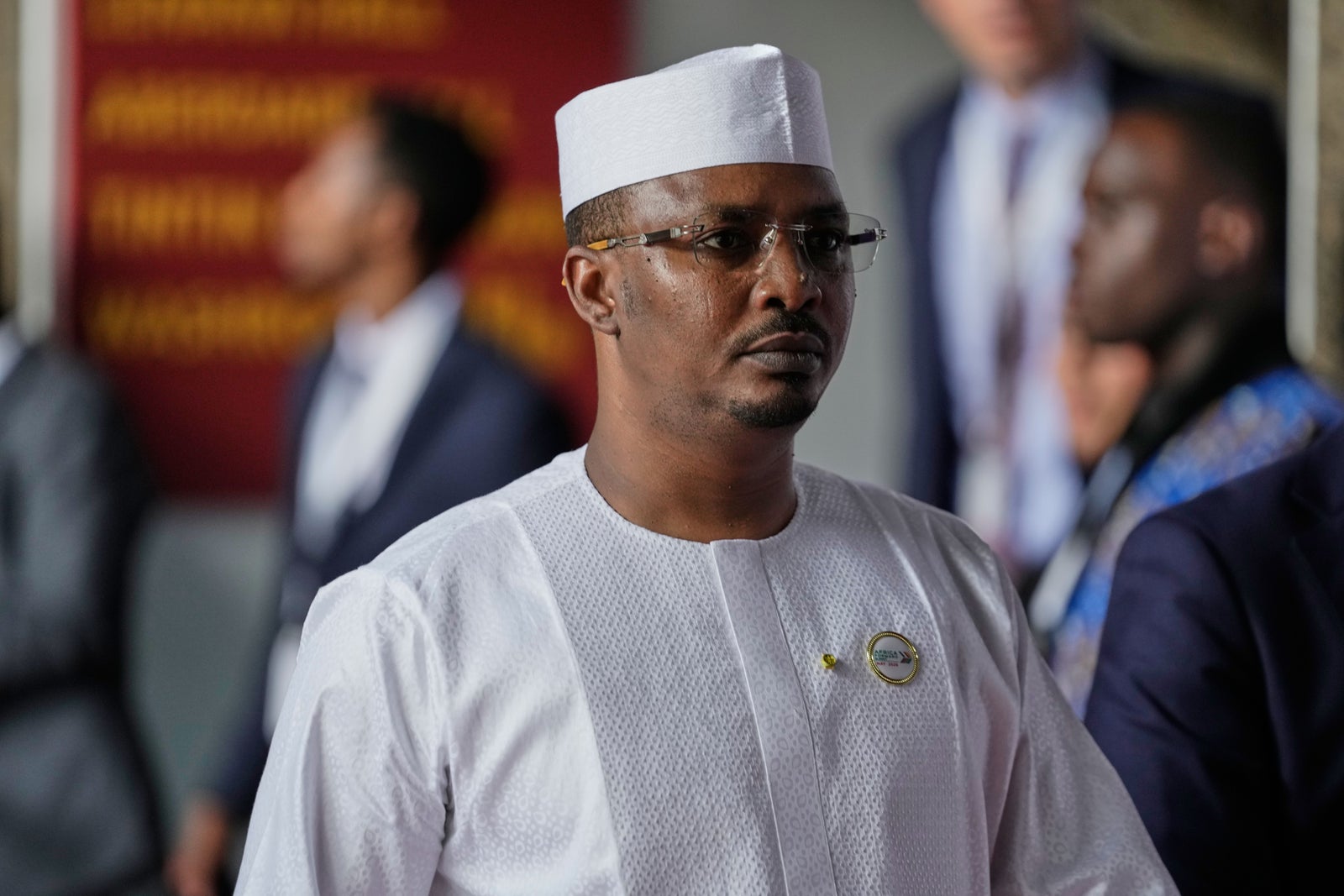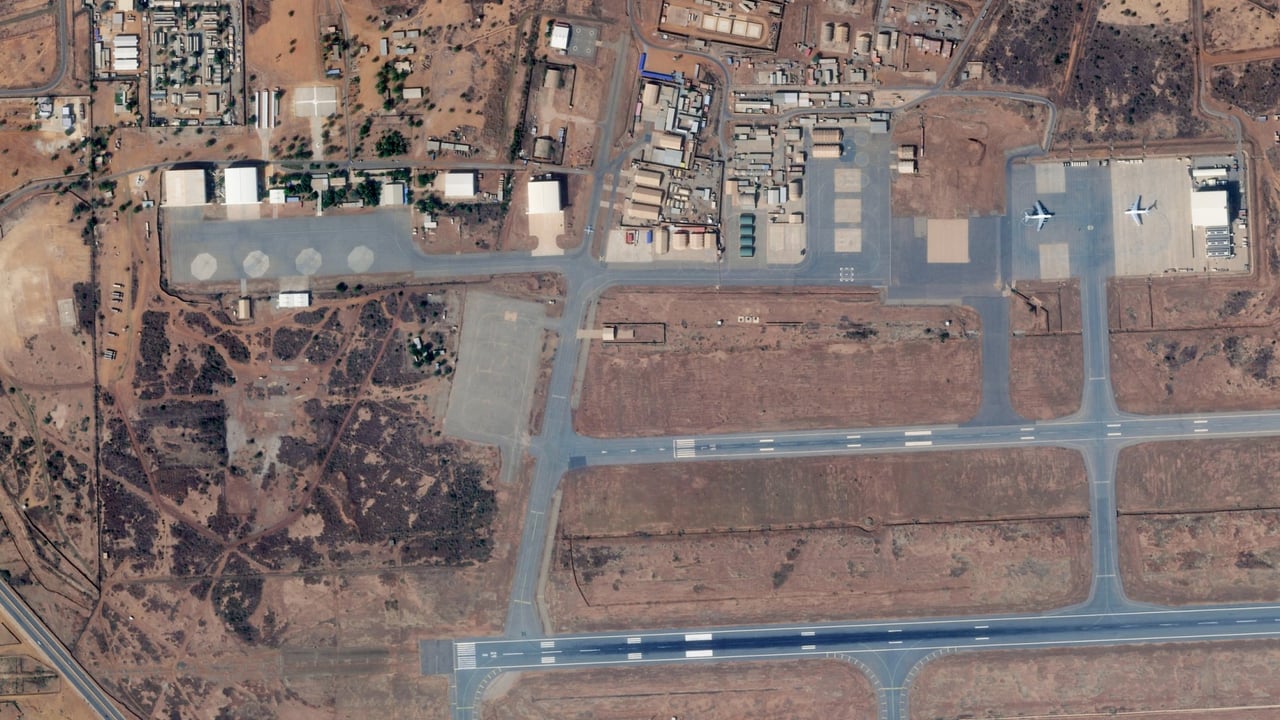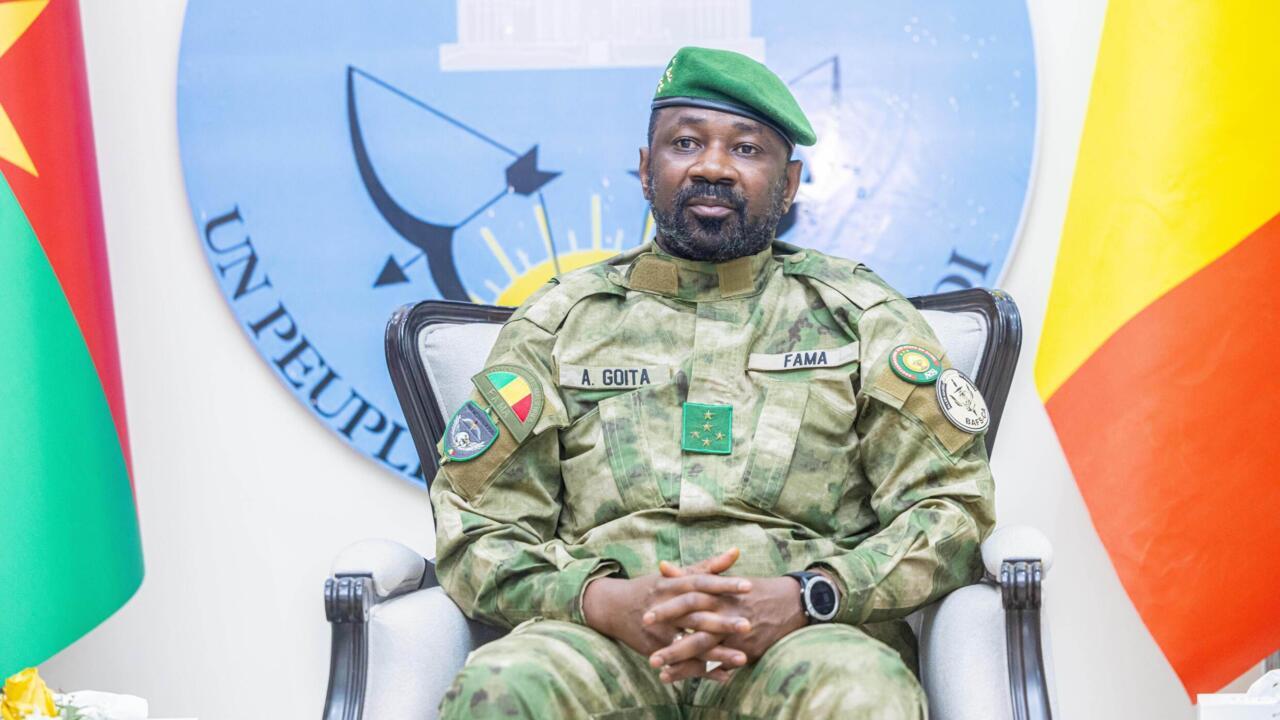
The long-standing chill between Bamako and Algiers has suddenly thawed. After over a year of escalating tensions, Mali and Algeria have restored full diplomatic ties, reopening mutual airspaces and exchanging ambassadors. The surprise détente comes without any prior diplomatic signaling, catching many off guard.
a deal brokered beyond the headlines
The unexpected rapprochement follows months of hostility, during which Mali accused Algeria of harboring and supporting armed groups along their shared border. The accusations centered on alleged collusion with jihadist factions linked to al-Qaeda and separatist rebels from the Azawad, including the Jama’at Nusrat al-Islam wal Muslimin (JNIM) and the Front de Libération de l’Azawad (FLA).
While speculation swirls around external influences, the driving force behind this shift appears rooted closer to home. Analysts point to a subtle yet persistent mediation effort by Niger, which itself recently renewed ties with Algiers. Regional dynamics may have played a key role in nudging Bamako toward compromise.
military-first policy faces political pressure
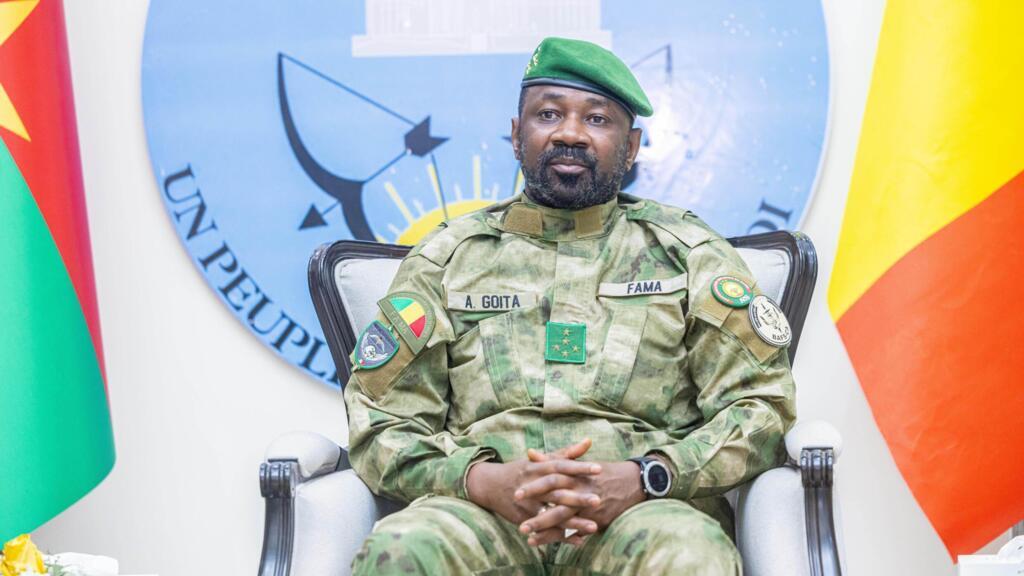
Mali’s military-led government has long dismissed dialogue with armed groups, insisting on a purely military solution. Yet this stance has yielded limited results. The breakdown of the 2015 Algiers Peace Accord—negotiated largely in Algiers—has left the state weakened and the conflict unresolved. With no clear path to victory, pressure is mounting for a reconsideration of strategy.
Could this diplomatic thaw signal a shift toward political engagement? According to seasoned observers, any sustainable resolution will require prioritizing political logic over military force. A deal appears to have been struck, with one key clause ensuring the primacy of politics. While a full return to the Algiers Agreement seems unlikely, there may be room for fresh political initiatives—particularly with the FLA, whose influence persists despite Bamako’s resistance.
Algeria’s balancing act under scrutiny
Algeria’s role remains complex. Algiers has long maintained a delicate balance, engaging with both Malian authorities and rebel leaders to preserve its influence. This strategy involves tolerating certain activities while avoiding outright support for groups aiming to destabilize Mali or challenge its territorial integrity. The rationale is clear: instability in northern Mali risks spilling over into southern Algeria, where separatist sentiments could resurface.
Yet the accusation of complicity persists. Malian officials have repeatedly accused Algiers of harboring jihadist leaders and FLA commanders. While Algeria denies active support, its historical ties with armed factions complicate perceptions and fuel mistrust.
exiled voices and regional tensions
The presence of influential Malian cleric Imam Dicko, exiled in Algeria and a vocal critic of the junta, adds another layer of tension. His continued outspokenness risks undermining the fragile détente. Under the terms of the deal, discretion may be required—though extradition remains off the table.
Meanwhile, Bamako’s recent recognition of Morocco’s plan for Western Sahara did little to endear it to Algiers. While the move was seen as a concession to Rabat, it yielded minimal benefits and did not prompt Algeria to reconsider its stance on the Saharawi issue.
credibility of the thaw in question
Is this rapprochement genuine, or merely another diplomatic fluctuation? Official statements suggest substance, but skepticism lingers. Past episodes of thaw have often been followed by relapse. Success hinges on tangible steps: re-established security coordination, enhanced intelligence sharing, and meaningful Algerian engagement with rebel leaders.
Yet challenges abound. Spoilers—both domestic and external—could derail progress. A resurgent JNIM, internal regime fractures, or public opposition in Mali could undermine the deal. The coming weeks will reveal whether this thaw is the start of lasting reconciliation or just another fleeting moment in a turbulent chapter.