Libreville transforms its coastline into an economic engine
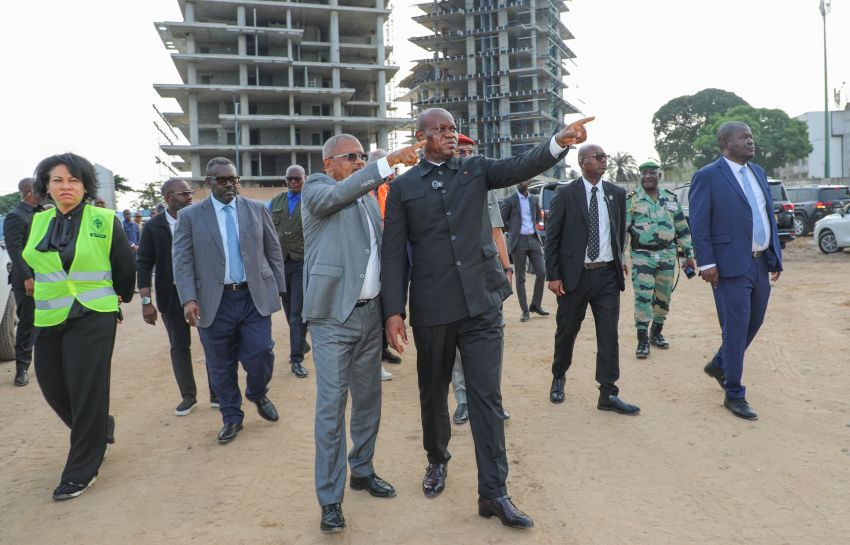
Libreville, June 11, 2026 — President Brice Clotaire Oligui Nguema’s recent visit to the coastal development sites marks a turning point for Gabon’s capital. The head of state’s tour of the seafront projects underscores a bold strategy to revitalize the city’s economic potential through sustainable urban transformation.
The transformation of Libreville’s coastline is emerging as a cornerstone of the nation’s development agenda. Where once there were modest fishing communities and scattered informal settlements, a new vision is taking shape—one that positions the capital’s shoreline as a catalyst for growth, innovation, and national prestige.
Just hours after overseeing the distribution of 200 new taxis under the Taxi Gab initiative, President Oligui Nguema embarked on an inspection of the coastal construction sites. This hands-on approach reflects a governance style centered on direct oversight of key infrastructure projects, ensuring transparency and accountability in their execution.
The visit highlighted several flagship developments poised to reshape the city’s skyline and enhance its appeal to investors, tourists, and residents alike. These projects are not merely architectural feats—they represent a strategic shift toward long-term urban planning that prioritizes economic resilience and quality of life.
Modernizing Libreville’s urban fabric
The presidential delegation first visited the Gué-Gué Bridge area, where a sleek new mixed-use complex is rising. Built by Mika Service, led by Alain-Claude Kouakoua, this development includes commercial offices and residential apartments, embodying the capital’s march toward modernity.
What makes this project particularly significant is its dual role: it responds to immediate housing and business needs while also serving as a magnet for future investment. By integrating residential, commercial, and recreational spaces, Libreville is positioning itself as a competitive urban hub in Central Africa.
Notably, the president arrived at the site in a Taxi Gab driven by a woman. This symbolic gesture aligns with broader national policies promoting gender inclusion in economic opportunities, particularly in sectors traditionally dominated by men.
A multifunctional waterfront for the future
The tour then moved to the extensive coastal reclamation project stretching from Gué-Gué Bridge to Baie des Rois. This initiative stands as one of the most ambitious undertakings in the country, aiming to create a dynamic, multi-use shoreline that blends leisure, commerce, and environmental stewardship.
Inspired by global best practices, the project is designed to attract private investment, generate local jobs, and elevate Libreville’s international profile. Waterfront districts in major cities worldwide have long served as engines of economic activity—Libreville is now following this proven model.
During the inspection, the president issued directives to optimize the use of this strategic space, emphasizing the need for sustainable management and community engagement. He urged local authorities to step up public awareness campaigns on cleanliness, waste management, and respect for public property to ensure the longevity of these investments.
Empowering local entrepreneurs through public infrastructure
A highlight of the visit was the president’s interaction with a Gabonese entrepreneur who is developing services for beachgoers and sports enthusiasts along the new waterfront. This initiative exemplifies a growing trend: public infrastructure is no longer seen as solely state-driven—it now serves as a platform for local businesses to innovate, create jobs, and contribute to national prosperity.
The exchanges between the president and citizens gathered at the site further reinforced this inclusive vision. The message was clear: development must be holistic, improving public spaces, enhancing living conditions, and fostering shared prosperity.
By personally monitoring these projects, President Oligui Nguema is redefining the role of leadership in national transformation. Gone are the days of ceremonial site visits. Today, these inspections are active tools for project management, ensuring that Gabon’s development remains on track and responsive to the needs of its people.
As the sun set over Libreville’s revitalized coastline, it was evident that more than just a waterfront is being built. A new chapter in Gabon’s economic, urban, and social story is unfolding—one that promises growth, opportunity, and pride for generations to come.
You may also like
Ivory Coast’s World Bank portfolio: what the $5.3 billion reveal means for jobs and the road ahead
Nanga armored vehicles: mounting fallout, public backlash and where Burkina Faso goes from here
After the eyeglasses verdict in Cameroon, a reckoning for the press and its critics
Mali’s official narrative stirs debate as Goïta’s promises collide with daily struggles
Nanga armoured vehicles: Burkina Faso’s ‘made in Burkina’ claim sparks national debate as questions mount