Trump’s last-minute military play in a critical geopolitical chokepoint
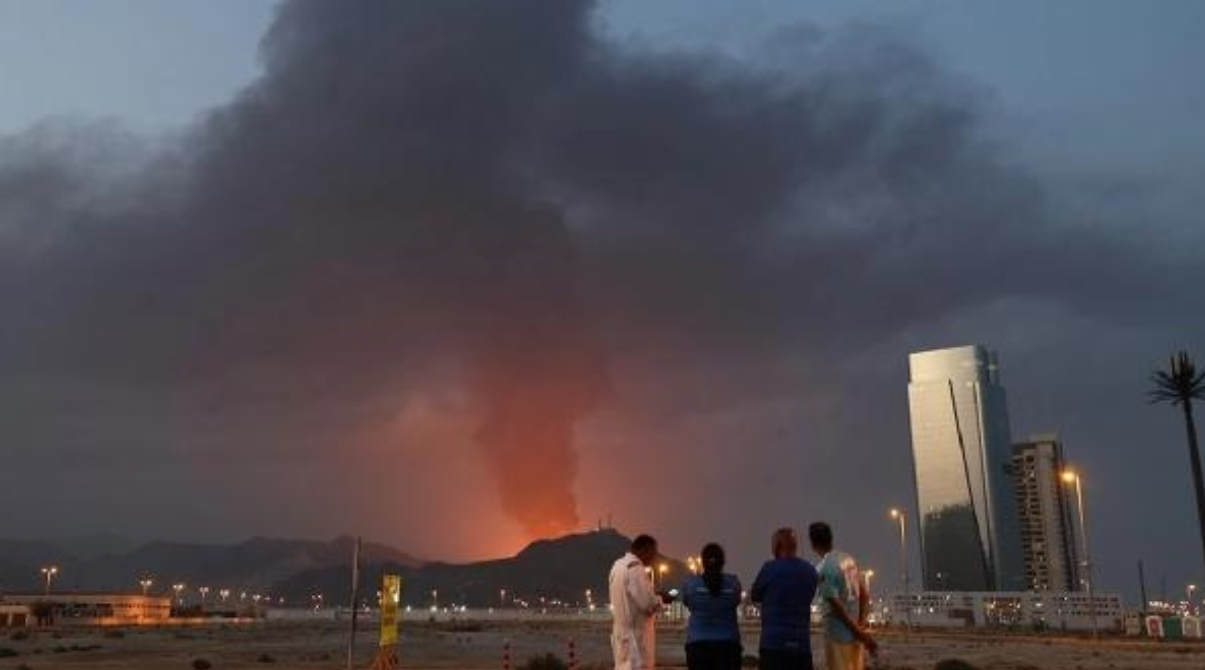
The night before a pivotal us midterm election, donald trump authorized strikes on iranian targets in the strait of hormuz—a decision that could either solidify his base or backfire spectacularly at the ballot box. On monday, november 2, american forces struck facilities on qeshm island, an operation framed as defensive but timed to escalate tensions just hours before voters cast their ballots.
Why the timing of these strikes raises political alarms
Trump had repeatedly pledged restraint toward Iran in the weeks leading up to the election, yet these strikes directly contradict that stance. Hours earlier, he had signaled optimism about potential negotiations with tehran. The shift from diplomacy to military action in such a short window has handed the opposition ammunition to portray his foreign policy as erratic—and voters may question whether his actions prioritize electoral strategy over national security.
The white house faces a delicate balancing act: reinforcing a tough-on-Iran image for conservative voters while avoiding the perception that military action is being weaponized for political gain. With inflation and fuel prices already weighing on household budgets, the timing of these strikes could amplify public frustration and shift electoral momentum.
How the strait of hormuz holds the key to global—and electoral—calculations
The strait of hormuz isn’t just a military flashpoint—it’s the world’s most vital oil transit route, linking the persian gulf to global markets. Any disruption here sends shockwaves through energy prices, a reality that Iran has exploited in recent months by harassing shipping traffic. Now, with trump’s strikes adding fuel to the fire, the risk of a full-blown supply crisis looms large.
For american voters already grappling with high gas prices, another surge could be the final straw. Democrats are poised to frame this as evidence that trump’s foreign policy decisions are worsening economic pain. Meanwhile, republicans risk losing support from swing voters who prioritize kitchen-table issues over military posturing.
Key economic hotspots voters may weigh:
- The spike in fuel costs tightening household budgets
- The potential ripple effects on global oil markets
- Inflationary pressures tied to energy market instability
Can trump’s gamble secure republican wins, or will it backfire?
The midterms are a referendum on trump’s first two years in office, and his party is defending critical seats in the house and senate. While some voters may applaud a show of force against Iran, others could see the strikes as a distraction from domestic priorities like healthcare, wages, and inflation.
Gop strategists privately worry that the optics of military action days before the election could backfire, framing it as a desperate attempt to rally his base rather than a strategic necessity. If republican losses mount, the incoming congress could launch investigations into trump’s decision-making, further hampering his agenda in a divided legislature.
What’s at stake for american voters and the president
The midterms aren’t just about congressional control—they’re about whether trump’s leadership style resonates with a weary electorate. These strikes force voters to weigh two narratives: one where strength abroad proves leadership, and another where military escalation undermines economic stability at home.
As polls show growing disapproval of foreign conflicts and economic strain, the gamble in hormuz may end up defining not just the midterm results, but the trajectory of trump’s political future. The ballot box will reveal whether americans see these actions as decisive leadership—or a dangerous overreach.