Why are african youth being turned into expendable soldiers in Ukraine?
An extraordinary admission was recently extracted from Moscow: the promise to halt the recruitment of African mercenaries for the Ukrainian front. But this diplomatic maneuver does little to mask the horrifying reality. Behind closed doors and empty smiles of global summits, a chilling human trafficking network has been flourishing with impunity. Hundreds of young Africans, lured by the false promises of lucrative contracts and European citizenship, have been sent to die in trenches that have nothing to do with their homelands. The human cost is already staggering—at least 62 Ghanaian citizens confirmed dead and a dozen more missing in action, all sacrificed on the altar of someone else’s war.
How the kremlin weaponizes poverty against africa’s vulnerable youth
Russia’s mercenary recruitment strategy represents a new low in exploitative warfare. Unlike the colonial brutality of forced conscription, this modern predation preys on economic desperation. Recruiters—often state-sanctioned or enabled—target unemployed university graduates and desperate breadwinners with offers of “prestigious contracts,” high salaries, and fast-track EU visas. But the moment these recruits arrive in Ukraine, their fate becomes clear. They are sent to the most dangerous frontlines, used as human shields to preserve Russia’s regular troops. This isn’t just mercenary work—it’s state-sanctioned human trafficking disguised as military service.
From false promises to frontline slaughter: the recruitment pipeline exposed
The process begins with slick advertisements on social media and local job boards: “Work in Europe—high pay, relocation assistance, full benefits.” These ads, often placed by intermediaries tied to Russian military contractors, target countries like Ghana, Nigeria, and Senegal—nations where youth unemployment exceeds 30%. Once signed, recruits are flown to training camps in Russia or Belarus, where they receive minimal military training before being deployed to Ukraine’s eastern battlefields. Many arrive unaware they are being sent to a war zone. Survivors report being told they would be working in logistics or construction—only to find themselves in active combat. Those who resist are threatened with deportation or worse.
What does Russia gain from this human sacrifice?
This mercenary pipeline serves Moscow in multiple ways. First, it bolsters troop numbers at minimal cost. African recruits are paid far less than Russian soldiers and are often denied proper equipment or medical care. Second, it undermines international sanctions by using foreign fighters to fill gaps left by mobilized Russian troops. Third, it creates a geopolitical bargaining chip—countries that protest the recruitment may face pressure to reduce ties with Western allies or increase dependence on Moscow. The strategy is as cynical as it is effective: turn human suffering into strategic leverage.
Why african governments are powerless to stop the bloodshed
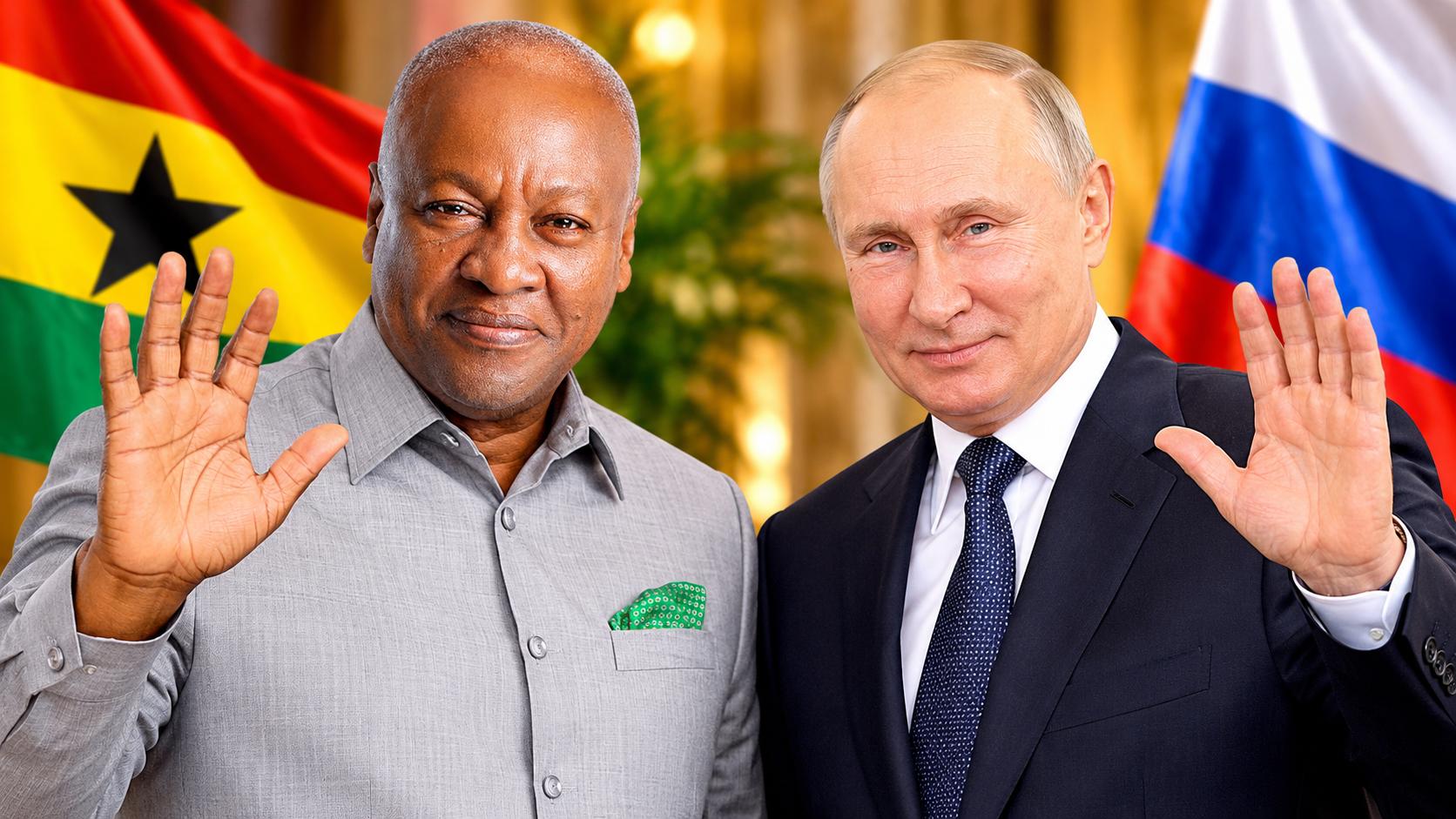
The tragic irony is that many African leaders are forced to negotiate directly with Putin to stop the bleeding of their own citizens. A recent high-level meeting between a West African president and the Russian leader reportedly centered on demands to halt recruitment and repatriate the dead. Yet even this rare show of diplomatic urgency reveals the depth of the crisis. Countries like Ghana and Senegal have signed agreements promising protections for their citizens, but enforcement is nearly impossible. Recruiters operate through shadow networks, using fake companies and shell NGOs to bypass legal scrutiny. Victims’ families are often pressured into silence with cash payouts or threats of legal action. The message from Moscow is clear: this operation is non-negotiable.
Can africa break free from the cycle of exploitation?
This crisis is not just a war crime—it is a symptom of a deeper failure. Africa’s youth, abandoned by corrupt or inept governments and failed by international aid systems, represent the world’s most vulnerable demographic. As long as this desperation persists, foreign powers—be they Russia, Western nations, or others—will continue to exploit it. The solution lies not in half-hearted diplomatic interventions, but in systemic change: economic investment in education and industry, anti-trafficking laws with real enforcement, and regional cooperation to hunt down recruitment networks. Until then, the battlefield in Ukraine will continue to harvest African lives like a modern-day diaspora.
What needs to happen next?
- Criminalize mercenary recruitment: African nations must pass and enforce strict laws against recruitment networks operating within their borders, including severe penalties for those facilitating travel to war zones.
- Launch international awareness campaigns: Consulates and NGOs must collaborate to warn at-risk youth about false job offers and document cases of fraud and coercion.
- Demand accountability from Moscow: African governments must unite in demanding full transparency from Russia regarding recruitment practices, including access to prisoner exchanges and casualty records.
- Invest in alternatives: Fund vocational training programs and job creation initiatives in high-risk communities to reduce vulnerability to exploitative offers.