Why are civilians bearing the brunt of Mali’s escalating conflict?
The central Sahel nation of Mali faces a critical juncture as civilian casualties continue to mount amid intensifying violence. Recent investigations reveal disturbing patterns of abuse perpetrated by both state security forces and armed insurgent groups, raising urgent questions about the effectiveness of existing protection mechanisms. With communities caught in crossfire, the international community watches as the humanitarian crisis deepens.
Documented atrocities reveal systematic violations
A comprehensive report based on field investigations exposes alarming incidents that violate fundamental principles of international humanitarian law. Researchers conducted interviews with survivors, medical personnel, and community leaders between July and September 2026, documenting cases that challenge the narrative of military precision in conflict zones.
Deadly drone strikes target civilian infrastructure
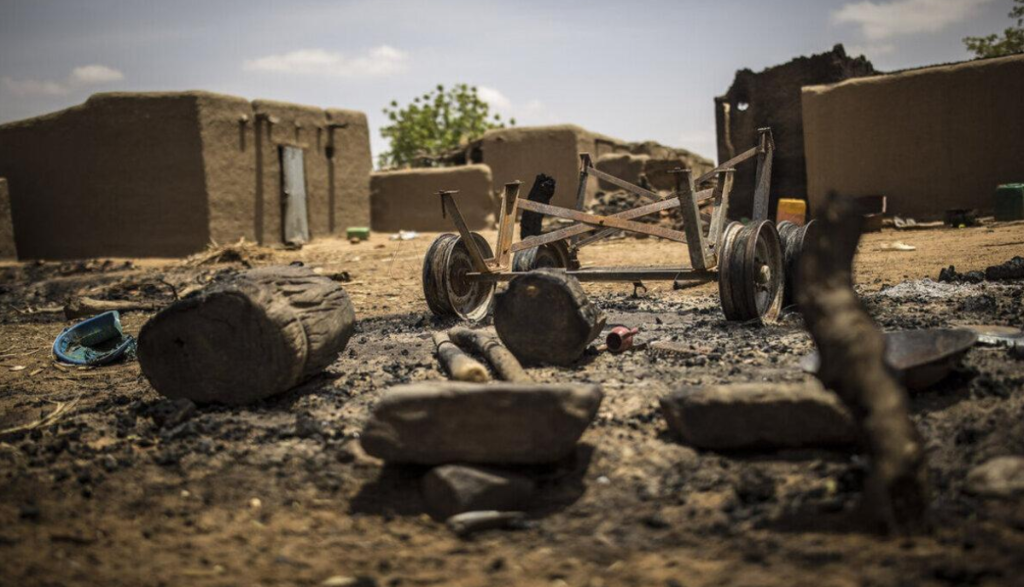
On August 19, a drone strike demolished a bustling livestock market in Tombonkore, Bandiagara region, killing six civilians and injuring over twenty. Survivors reported no armed presence at the time of attack, raising serious concerns about proportionality and distinction in military operations. The incident destroyed vital economic assets, including livestock and vendor stalls that supported local livelihoods.
In another incident on July 29, a military drone struck a health center in Talahandak, Kidal region, damaging medical equipment and disrupting critical healthcare services. The attack occurred despite clear protections for medical facilities under international law, exacerbating health vulnerabilities in an already fragile region.
Tragic civilian deaths during military operations
On July 12, five school-age girls were killed by Malian soldiers in rice fields near Niono, Ségou region. Military officials claimed the children were mistaken for attackers during a previous ambush. While the army expressed regret to families, the incident underscores critical failures in distinguishing combatants from non-combatants during operations.
In late July, Dozo militia members allied with government forces killed three civilians in Mopti region. The circumstances surrounding these deaths remain under investigation, with human rights monitors emphasizing the need for accountability to prevent further abuses.
Insurgent groups escalate violations against captured personnel
Armed opposition factions have also committed grave breaches of international law. On July 18 near Tabrichat, Gao region, insurgents attacked a military convoy, torturing and executing at least 19 captured soldiers. Such acts violate protections for prisoners of war and highlight the indiscriminate nature of violence perpetrated by non-state actors.
Can the African Union break the cycle of impunity?
Human rights advocates are urging the African Union’s Peace and Security Council to convene an emergency session focused exclusively on civilian protection in Mali. The call includes demands for transparent reporting on implemented measures and independent investigations into alleged abuses by all conflict parties.
Despite formal notifications sent to Malian defense authorities in August, no substantive response has been received. This silence compounds the suffering of victims and their families, who continue to await justice and reparations for unimaginable losses.
What must change to safeguard Mali’s civilian population?
The path forward requires coordinated action across multiple fronts. Military forces must implement rigorous training on civilian protection protocols, while armed groups need to reaffirm their commitment to humanitarian principles. Civil society organizations emphasize that sustainable peace cannot exist without accountability for past and present atrocities.
As Mali’s conflict enters its most volatile phase, the international community faces a stark choice: either stand by as civilians pay the ultimate price, or take decisive steps to enforce existing protections and bring perpetrators to justice. The time for half-measures has long passed.