Bloodshed in Abyei: a disputed market becomes the target of deadly drone strikes
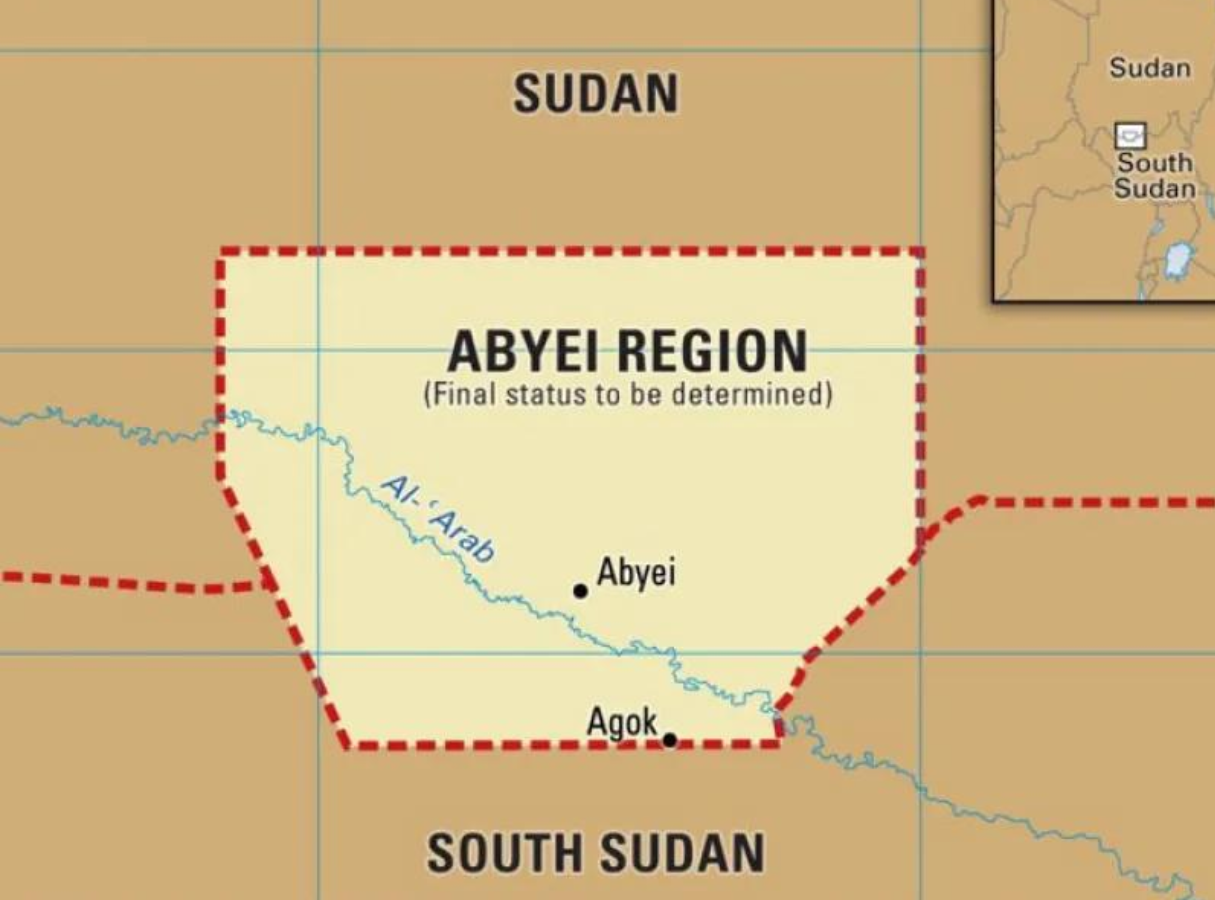
In a shocking escalation of violence, a suspected drone strike targeted the bustling Amiet market in Abyei—a territory claimed by both Sudan and South Sudan—leaving at least 73 civilians dead and 19 injured. The attack, which struck during peak trading hours, has intensified diplomatic tensions between Juba and Khartoum, raising urgent questions about military accountability and the protection of civilians in conflict zones.
Market in ruins: the human toll of a midday assault
The strike, reported by local authorities to have begun around 11:30 a.m., ravaged multiple sections of Amiet market, a vital commercial hub where fuel, food, construction materials, and medicine are traded. Witnesses and officials described scenes of destruction and fire, with thick smoke hampering rescue efforts. The presence of fuel storage areas further complicated emergency operations, leaving communities reeling from the loss of lives and livelihoods.
Among the victims were traders and customers from diverse backgrounds, including residents from both Sudan and South Sudan. The attack’s timing—during a period of active commerce—ensured maximum civilian exposure, highlighting the indiscriminate nature of the strike.
Juba points finger at Khartoum as diplomatic confrontation unfolds
Within hours of the attack, South Sudan’s government summoned the Sudanese ambassador in Juba to protest the operation and demand immediate clarifications. Foreign ministry officials condemned the strike as a blatant violation of civilian safety and called for restraint, urging Khartoum to refrain from actions that jeopardize regional stability.
While South Sudan has not yet announced retaliatory measures, the diplomatic move signals a hardening stance. Authorities emphasized the need to resolve Abyei’s status through established diplomatic channels and dialogue, rather than military force. Yet, with both nations entangled in deeper security challenges—including Sudan’s ongoing civil war—trust between the two governments remains fragile.
Abyei’s unresolved conflict: a powder keg for Sudan and South Sudan
Abyei has long been a flashpoint in Sudan-South Sudan relations, its status left unresolved since South Sudan’s 2011 secession. Rich in oil reserves and strategically located near the border, the region’s contested territory has fueled decades of disputes, political rivalries, and community grievances. Provisional agreements have repeatedly failed to secure a lasting solution, leaving the door open to periodic violence.
The current conflict in Sudan—marked by clashes between the Sudanese Armed Forces (SAF) and the Rapid Support Forces (RSF)—has further destabilized the region. Disrupted trade routes, mass displacement, and economic strain have compounded existing tensions, making Abyei’s communities increasingly vulnerable to spillover violence.
Why does Amiet market matter in the crossfire?
The market’s role extends beyond local commerce. Reports suggest it serves as a key supply point for fuel and goods across parts of Sudan and South Sudan, drawing the attention of armed actors. While the exact target of the strike remains unverified, its impact on civilians has drawn condemnation under international humanitarian law, which demands protection for non-combatants in conflict zones.
Urgent calls for accountability and civilian protection
With the death toll expected to rise as rescue operations continue, the international community faces mounting pressure to demand accountability. Human rights advocates stress that indiscriminate attacks on civilian infrastructure—such as markets—may constitute war crimes, contingent on the circumstances of the strike.
In the interim, priorities remain clear: providing medical aid to the wounded, identifying victims, and establishing an impartial inquiry to uncover the truth. Yet, the path to justice is fraught with obstacles, including political sensitivities and the ongoing war in Sudan.
A regional dilemma: will this tragedy force action—or escalate tensions?
The diplomatic showdown between Juba and Khartoum now hangs in the balance. Will the two governments pursue dialogue to de-escalate the crisis, or will the absence of a credible investigation fuel further mistrust and retaliation? For the families awaiting news of loved ones and the survivors grappling with loss, the answers carry profound implications for peace in Abyei—and beyond.
The road ahead: what’s next for Abyei?
- An independent investigation to determine the strike’s origin, targets, and compliance with international law.
- Urgently coordinated humanitarian aid to support affected communities in Abyei.
- A renewed commitment from both Sudan and South Sudan to resolve territorial disputes through peaceful negotiations.