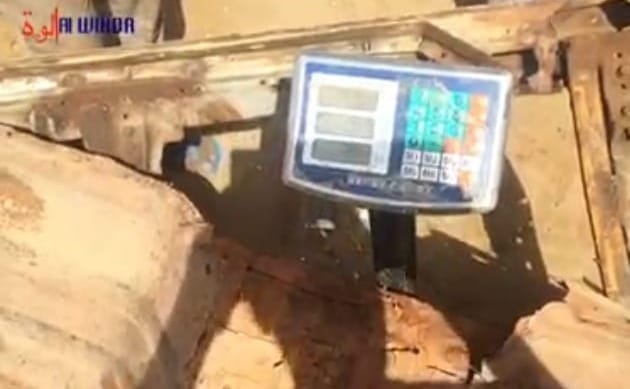
The bustling streets of N’Djamena are echoing with a familiar cry: « Hadid kilo ! Hadid kilo ! » — the resounding call of scrap metal collectors pushing carts through the city’s most populous neighborhoods. This informal trade, known locally as « Hadid kilo », has grown into a lucrative business that is increasingly drawing children into its orbit, raising serious concerns among parents and authorities alike.
From household items to stolen goods: the hidden cost of scrap metal
The phenomenon is spreading rapidly across N’Djamena, with collectors — many of whom are transient workers from neighboring countries — offering cash on the spot for any metal, regardless of ownership. In the Ngabo district, a 10-year-old child was reportedly seen selling his mother’s gas cylinder to a collector for just 600 FCFA. In Ndjari, an 8-year-old sold his younger brother’s bicycle for 250 FCFA, while in Zafaye, another child parted with a section of his father’s car engine for 1,000 FCFA.
These alarming cases highlight a disturbing trend: children, often desperate for quick money or influenced by the lure of easy cash, are being pushed to sell family belongings — or worse, steal them — to feed the insatiable demand of the « Hadid kilo » trade.
a growing menace to childhood and community safety
Parents and community leaders are voicing their frustration, describing the trade as a catalyst for theft and juvenile delinquency. Many fear that the practice is normalizing dishonest behavior in young minds, setting them on a path that could lead to lifelong consequences. « This trade is teaching our children that quick money is more important than honesty and education, » shared a concerned resident from the Ambatt neighborhood.
Residents are urging local authorities to take immediate action. Their demands include prohibiting the purchase of scrap metal from children, enforcing stricter controls on itinerant collectors operating in residential areas and markets, and introducing severe penalties for those who exploit minors in this way. They also call for stronger awareness campaigns to educate both children and parents about the dangers of participating in such transactions.
urgent calls for government intervention
Child welfare advocates emphasize that without decisive intervention, the « Hadid kilo » phenomenon could escalate into a full-blown social crisis. They stress the need for coordinated efforts between government agencies, community leaders, and civil society to implement protective measures and provide alternative livelihoods for vulnerable families. Protecting children from exploitation is not just a moral obligation — it is a foundation for building a safer, more responsible future for all.