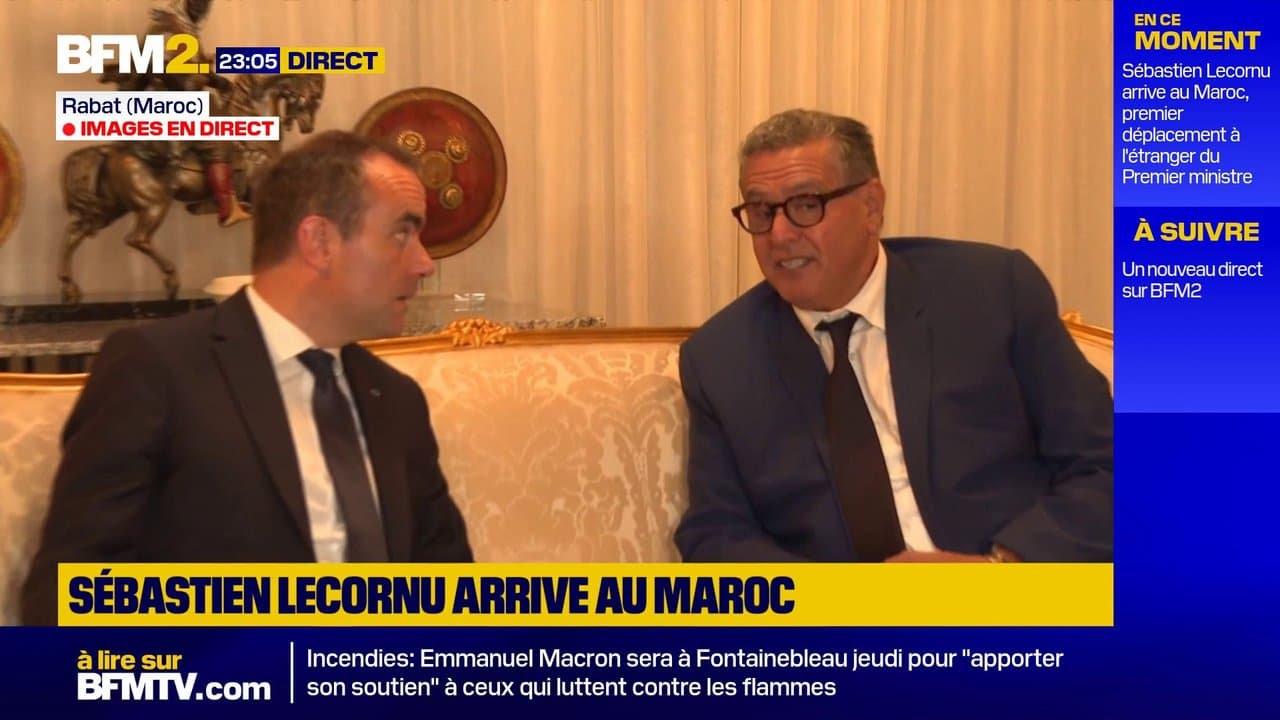
French Prime Minister Sébastien Lecornu’s official visit to Rabat on Thursday marked a pivotal moment in Franco-Moroccan relations, as both nations seek to elevate their strategic partnership to new heights. The visit follows President Emmanuel Macron’s recognition of Morocco’s sovereignty over Western Sahara in the summer of 2024, a move that reshaped bilateral dynamics and ended years of diplomatic friction.
Macron’s subsequent state visit to Rabat in October 2024, which concluded with a series of high-value contracts and the signing of an exceptional strengthened partnership agreement, set the stage for this week’s high-level discussions. The visit also signaled a clear shift in France’s diplomatic priorities in North Africa, moving away from its previous attempts to balance relations between Rabat and Algiers.
Strengthening security and economic cooperation
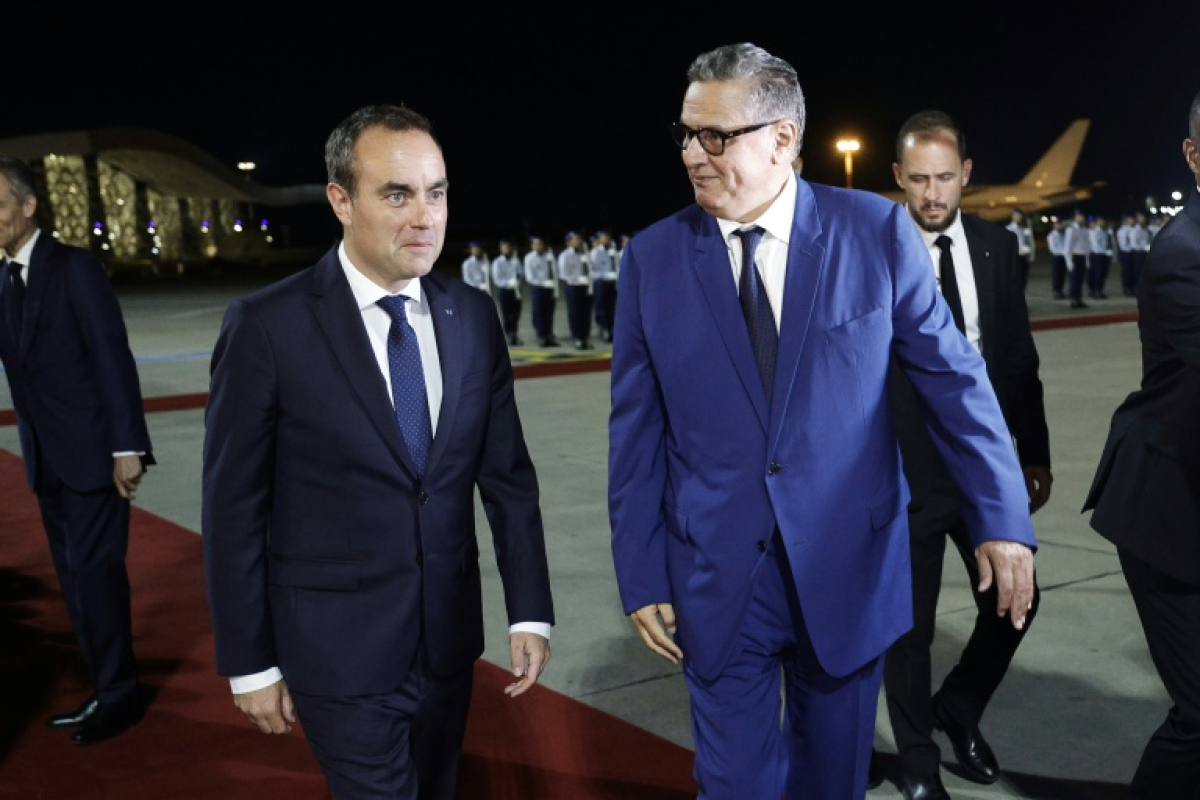
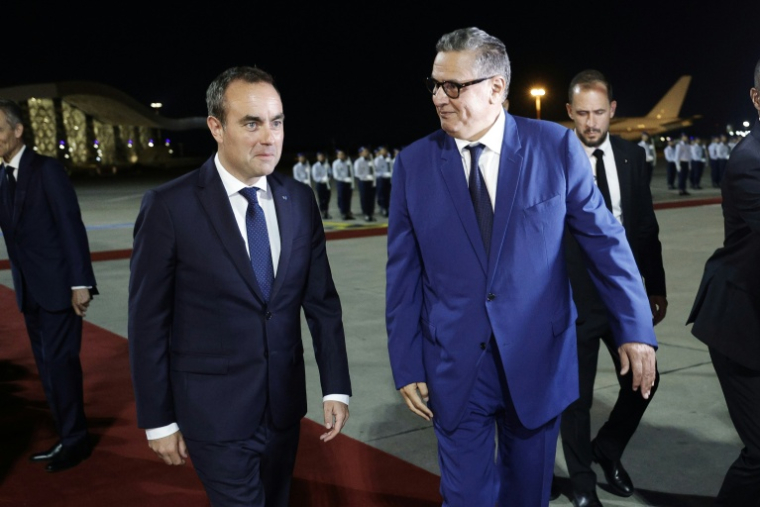
Lecornu’s agenda in Rabat was packed with symbolic and substantive engagements, beginning with a military welcome at Rabat-Salé Airport and a wreath-laying ceremony at the Royal Mausoleum honoring former kings Mohammed V and Hassan II. The morning’s events culminated in a meeting with Moroccan Prime Minister Aziz Akhannouch, where both leaders discussed accelerating the implementation of commitments made under the 2024 partnership agreement.
At the heart of the discussions was the deepening of security cooperation, particularly in combating jihadist threats across the Sahel region. France, facing limited intelligence support from Algiers despite renewed cooperation efforts, appears increasingly reliant on Morocco as a key regional ally. Lecornu emphasized the “converging interests” of both nations in Africa and proposed positioning Morocco as a “gateway” for enhanced Moroccan-European Union relations.
The French delegation, comprising twelve ministers including Foreign Minister Jean-Noël Barrot and Interior Minister Laurent Nunez, underscored the importance of the 15th High-Level Meeting between the two delegations—a dialogue mechanism dormant since 2019. The session was hailed as a “turning point” in bilateral relations, with both sides committing to expanding collaboration across defense, counterterrorism, migration, and economic sectors.
Future prospects and unresolved tensions
Looking ahead, plans for a landmark “unprecedented friendship treaty” and a potential state visit by King Mohammed VI to Paris are under consideration, though no dates have been finalized. Meanwhile, fresh allegations surrounding Morocco’s alleged use of the Pegasus spyware—first surfaced in 2021 when it was accused of targeting French officials, including Macron and Lecornu—resurfaced ahead of the visit. Rabat has consistently dismissed these claims as “baseless and defamatory”.
When pressed for comment on the renewed scrutiny, neither the French presidency nor the Quai d’Orsay offered any response. The French entourage, however, reiterated the administration’s objective of reinforcing cooperation and trust with Morocco. The king of Morocco, in a message conveyed via the official MAP agency on Bastille Day, highlighted the “consolidation” of the two countries’ “privileged relations.”
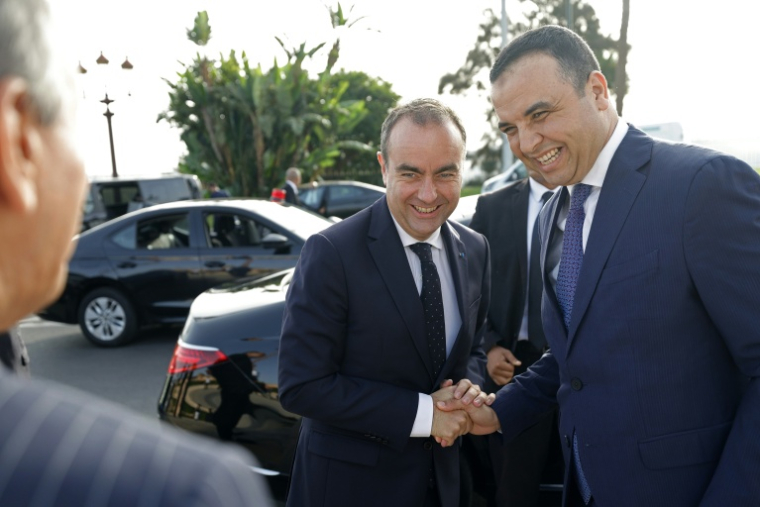
By the end of the visit, over a dozen agreements were expected to be signed, covering sectors such as infrastructure, culture, defense, and migration. Key initiatives include a regional express rail project in Rabat and potential arms industry collaborations. The evolving partnership reflects France’s strategic pivot toward Morocco as a cornerstone of its North African policy and a critical player in regional stability.