FlyGabon expands to Europe with bold new routes
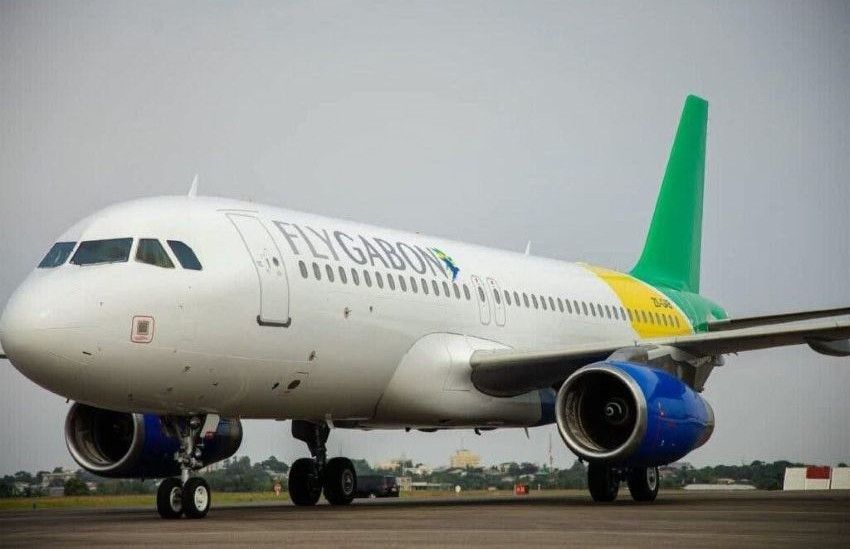
Libreville, June 19, 2026 — For decades, Gabon’s aviation sector has operated primarily within domestic and regional boundaries. Now, FlyGabon is preparing to shatter that paradigm by launching direct flights to Paris and London, signaling a potential turning point for the nation’s air transport industry.
This expansion isn’t merely about adding new destinations—it represents a strategic bid to reposition Gabon in the global mobility, trade, and investment landscape. In an era where air connectivity is both an economic power indicator and a pillar of national sovereignty, FlyGabon’s move carries deeper implications than passenger convenience. It’s a deliberate step toward reducing reliance on foreign carriers while elevating Libreville’s profile on the international stage.
Europe bound: The strategic calculus behind FlyGabon’s expansion
Under the stewardship of Fly Air Gabon Holding, the state-backed operator is modernizing its fleet with advanced Boeing aircraft to support the ambitious European push. The airline is evaluating the Boeing 737 Next Generation and Boeing 737 MAX families—two of the most trusted names in medium-haul aviation.
The 737 MAX stands out for its range of up to 6,500 kilometers, making direct routes to Western Europe not just possible, but commercially viable. The Paris route covers approximately 5,450 kilometers, while London lies within 5,750 kilometers—distances well within the MAX’s operational capability. These figures underscore a transformative shift: instead of relying on intermediaries or multi-stop itineraries, travelers and cargo will soon connect directly from Libreville to Europe’s economic hubs.
Beyond passenger travel, the move holds significant economic weight. Gabon’s trade ties with Europe remain among its most vital, spanning oil, manganese, processed timber, and foreign investment. Enhanced air links promise to streamline these exchanges, reducing transit times and costs while strengthening business ties.
Leasing: The African airline’s smart growth strategy
FlyGabon’s fleet strategy reflects a globally accepted trend: operational leasing is now the norm in aviation. Nearly two-thirds of airlines worldwide lease at least part of their fleets, and the practice is particularly valuable for African carriers facing long aircraft delivery delays—often stretching beyond four or five years with manufacturers like Boeing or Airbus.
By opting for leasing, FlyGabon avoids tying up capital in outright purchases, preserving financial flexibility while adapting to market demands. This approach aligns with a broader economic maturity, prioritizing sustainable growth over immediate asset acquisition. It allows the airline to scale operations incrementally, balancing risk with opportunity as it builds capacity and service standards.
Libreville’s gateway ambition: A regional hub in the making
The European expansion is part of a larger vision: transforming Libreville into a strategic nexus between Central Africa and Europe. This ambition is woven into a national plan to modernize infrastructure across ports, logistics, air transport, and economic corridors—all designed to foster diversification beyond traditional sectors.
In this ecosystem, FlyGabon is more than a transportation provider; it’s a catalyst for economic competitiveness. A robust national airline enables smoother investment flows, boosts tourism, facilitates business travel, and accelerates regional integration. Yet the challenges are substantial. European routes are among the most competitive globally, demanding excellence in safety, punctuality, service quality, and profitability. Still, the trajectory is clear: Gabon is moving beyond a narrow domestic focus to become a continental player connecting West and Central Africa to Europe’s economic core.
These new routes to Paris and London mark more than a commercial milestone—they signal the dawn of a connectivity-first development model. For FlyGabon, the real takeoff may now be over the Atlantic.
You may also like
Olympe Bhêly-Quenum at 100: how the literary world is reacting and what lies ahead
Mali reacts to Goïta’s independence day address: what the war-and-dialogue pledge means now
Rosenior fallout: Strasbourg fans, Ligue 1 panel and the road ahead
Atonfack Guemo’s vigilance appeal sparks nationwide debate: what Cameroonians are saying now
Mali’s 514 billion FCFA Russian mercenary contract sparks public outcry and doubts over Bamako’s next move