How Dre Gloria Damoaliga Berges is transforming sickle cell care in Burkina Faso
Ouagadougou — With a prevalence of 4.63% in Burkina Faso and nearly 2% of newborns affected by the severe SS form, sickle cell disease remains a critical public health challenge. Addressing this issue requires a collaborative approach that engages all segments of society.
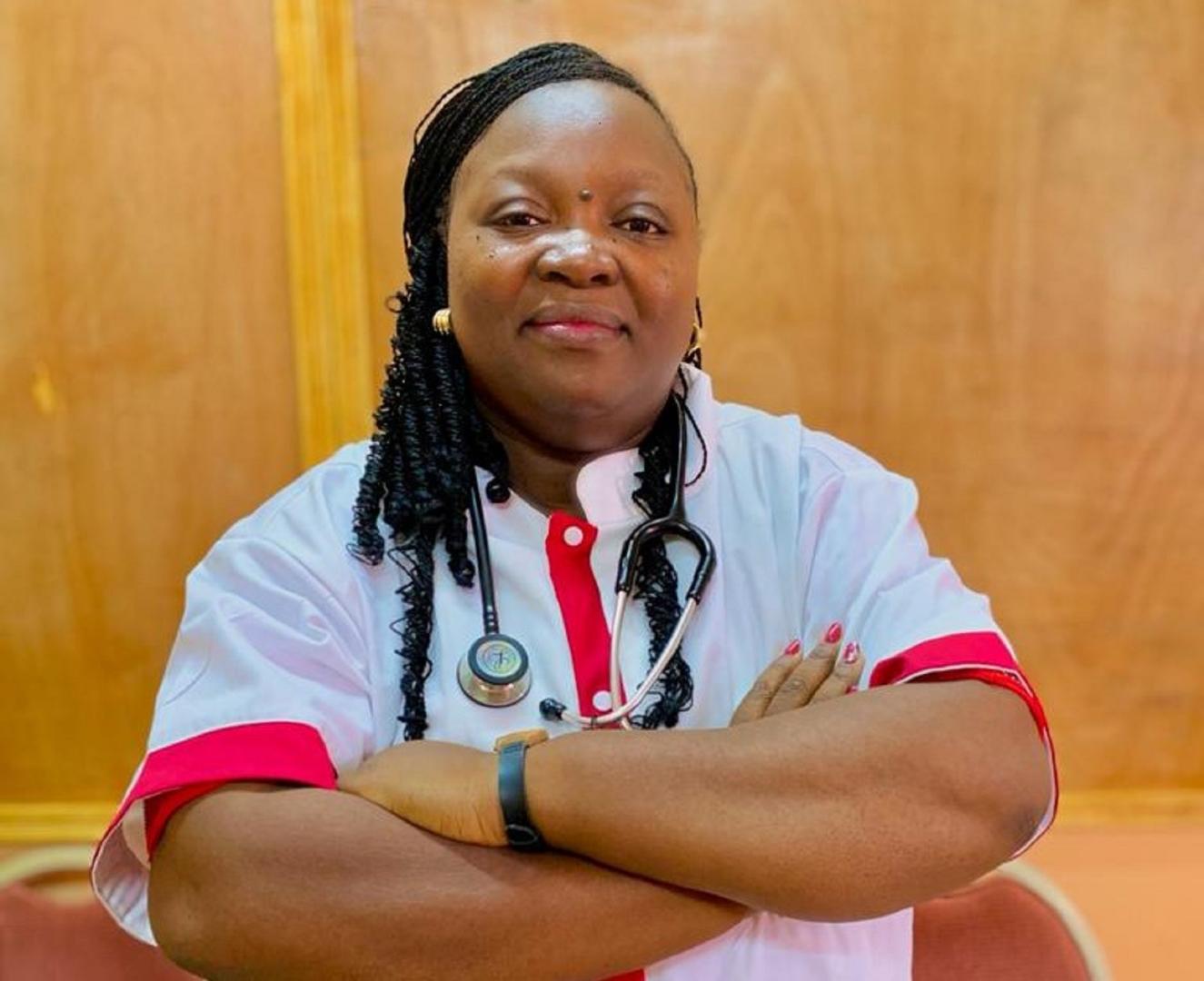
Dr. Gloria Damoaliga Berges, Vice President of CID/B (Centre d’Initiative contre la Drépanocytose au Burkina Faso), has dedicated over a decade to combating this disease. Her journey—marked by relentless advocacy, community outreach, and systemic change—offers a blueprint for progress.
What inspired your lifelong commitment to sickle cell advocacy?
From the early days of my medical career, I witnessed firsthand the devastating impact of sickle cell disease on children and young adults. The excruciating pain they endured left me deeply affected, fueling my determination to make a difference. In 2015, I was tasked with establishing a specialized care unit at my hospital, with support from the Centre d’Initiative contre la Drépanocytose. This pivotal moment reshaped my mission entirely.
Why do children with sickle cell disease continue to be born?
Sickle cell disease is hereditary. When both parents carry the hemoglobin S gene, there’s a 25% chance with each pregnancy that the child will inherit the condition. Many couples remain unaware of their carrier status before conception, as prenatal hemoglobin electrophoresis tests and pre-marital screenings are often overlooked. Raising awareness about these critical screenings is essential to prevent new cases.
How have you engaged communities in the fight against sickle cell?
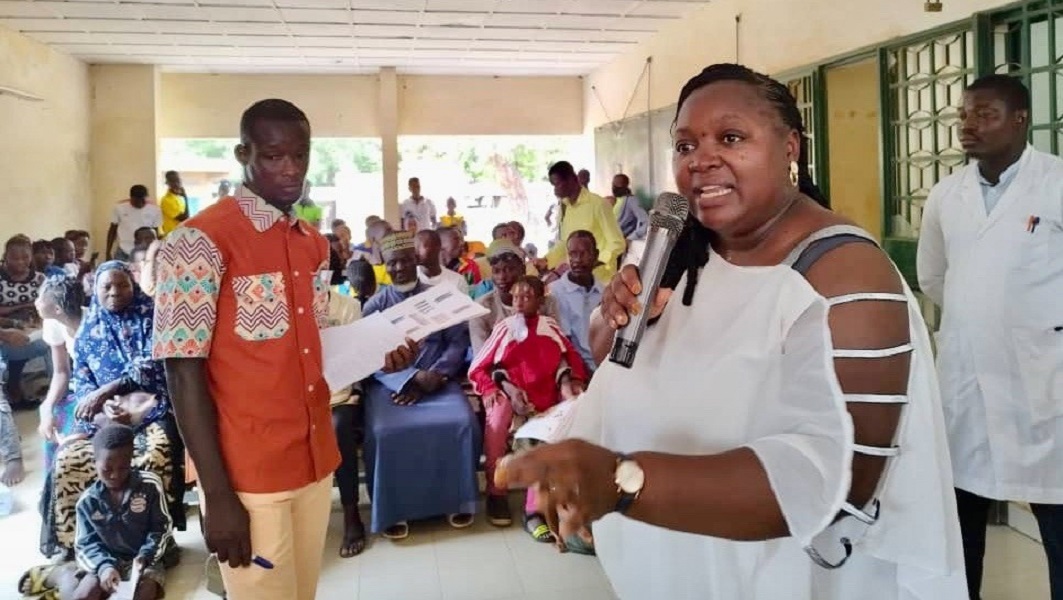
Community ignorance remains one of the biggest hurdles. To bridge this gap, I’ve spearheaded awareness campaigns and organized mass screening events. Between January and July 2024, I coordinated a campaign that screened nearly 15,000 children across five regions, in partnership with a local NGO. These efforts also help dismantle the stigma surrounding the disease.
What concrete actions have you taken to improve care?
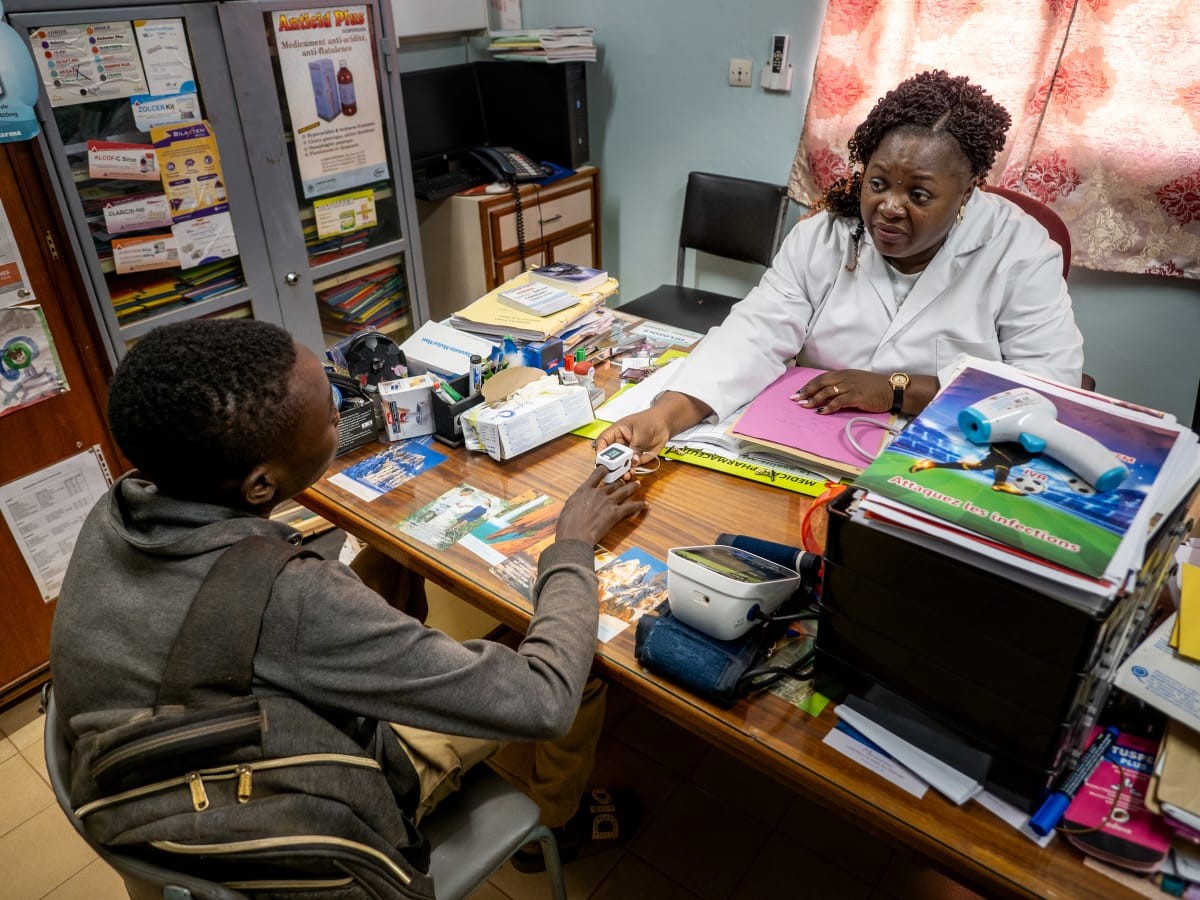
I’ve collaborated with hematology teams and the Ministry of Health to implement neonatal screening programs and train healthcare workers in managing sickle cell pain. Additionally, I contributed to launching Drépa Minute, a free hotline (80001350) providing information in local languages. These initiatives aim to educate the public, enhance clinical care, support affected families, and mobilize society in the fight against sickle cell.
CID/B works closely with the Ministry of Health’s Division for Non-Communicable Disease Prevention and Control (DPCM), supported by the French Development Agency, the Pierre Fabre Foundation, and the Principality of Monaco. Together, we provide comprehensive care—medical, psychosocial, and socioeconomic support—to sickle cell patients.
Our approach includes referrals to specialized centers, peer support groups, therapeutic education in our 11 regional branches, and psychological coaching. We also empower patients through income-generating activities to boost financial independence. By partnering with health mutuals, we advocate for universal health coverage to ensure better access to care.
Have you seen tangible progress in recent years?
Yes. Thanks to our collective efforts, sickle cell disease is now a priority in Burkina Faso’s public health agenda. The Ministry of Health, through the DPCM, has developed a dedicated strategic plan and mobilized resources for its implementation.
Previously shrouded in misunderstanding and stigma, the disease is now better understood by both the public and healthcare professionals. More stakeholders are joining the fight, and specialized training programs have been introduced to strengthen clinical expertise. Advances in early detection and diagnosis are particularly noteworthy.
The perception of sickle cell has shifted dramatically. Once dismissed as a curse or a death sentence, we now see patients living fulfilling lives—building families, pursuing careers, and contributing to society. This transformation stems from improved care and rigorous follow-up measures.
What are the biggest challenges still facing the fight against sickle cell?
Despite progress, major obstacles remain: limited access to screening and diagnosis in rural areas, shortages of essential medications like hydroxyurea, pain relievers, and antibiotics, and inadequate vaccination coverage. Transfusion support and complication management also require urgent attention.
It’s time to heed the silent cries of sickle cell patients. We must scale up neonatal and early screening, enhance care delivery, and foster coordinated action between the Ministry of Health and its partners.
Despite these challenges, I remain committed to this cause. Fighting sickle cell is not just about health—it’s about restoring dignity and hope to thousands of lives.