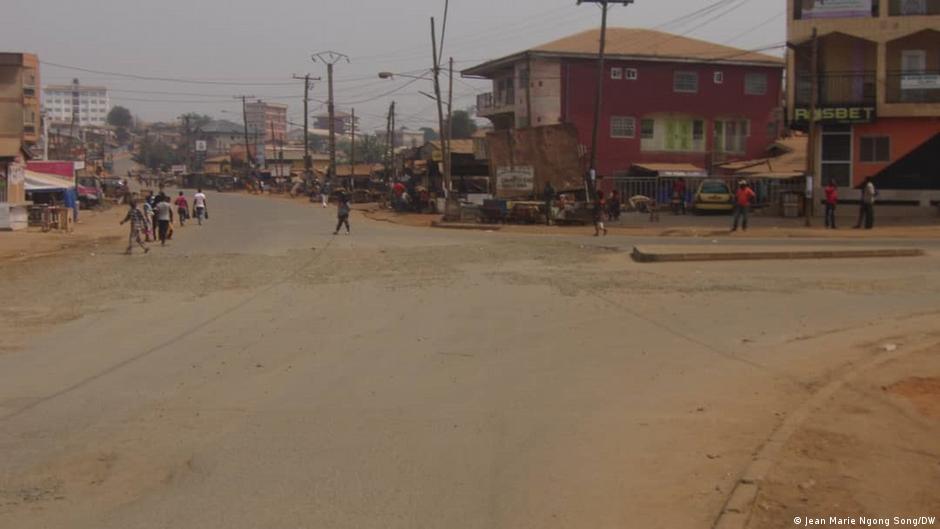
Cameroon’s National Route 5, a critical economic corridor connecting the bustling port city of Douala to Bafoussam and Bamenda in the Northwest Region, is crumbling under the weight of neglect. Once a vital artery for trade and transportation, the road now ranks among the deadliest in the country, with accident rates soaring and infrastructure failures mounting.
Decades of insufficient maintenance, relentless heavy traffic, and increasingly severe weather patterns have left the route in a state of disrepair. Potholes stretch for kilometers, asphalt sections have collapsed, and seasonal floods routinely submerge entire stretches, turning what was once a three-and-a-half-hour journey into a grueling, 10-hour ordeal fraught with risk.
An unbearable journey on the national disaster
Passengers boarding buses from Douala to Bafoussam now brace for a harrowing experience. Torrential rains regularly flood the roadway, washing away pavement and creating sinkholes large enough to swallow vehicles. Drivers are forced to navigate treacherous detours, often adding hours to already grueling trips. Alice, a traveler making the journey for the first time, shared her ordeal: « We left Bafoussam 14 hours ago. The main route through Haut-Nkam is completely impassable. We had to take a detour through Yaoundé—even though that wasn’t our destination—then cut through Bagangté just to reach the Douala-bound lane. We’re exhausted, bruised, and barely standing. »
Climate and terrain: a deadly combination
The region’s rugged terrain, compounded by unstable soil conditions, has earned the Douala-Yaoundé-Bafoussam route the grim nickname “Triangle of Death.” The dangers were starkly illustrated in November 2024 when a catastrophic cliffside collapse near Dschang buried multiple buses and cars, killing 14 people. Local authorities warn that without urgent intervention, such tragedies will only multiply.
Transport operators and commuters alike report near-monthly fatality counts in the dozens. Travelers describe arriving at their destinations with injuries, trauma, and a deep sense of relief—if they arrive at all. One anonymous commuter put it plainly: « I got in at 2 a.m. today. It was hell. I’d rather pay double the fare to take the National 3 through Yaoundé and the National 6—anything to avoid 10 or 11 hours on Route 5, where you risk ending up in pieces. »
Broken promises and mounting frustration
In response to public outcry, the government has announced plans to rehabilitate the highway at an estimated cost of 180 billion CFA francs. Yet skepticism runs deep among drivers and passengers who continue to pay tolls on a road that resembles a construction site more than a functioning thoroughfare. Transport operator Mika Séma voiced the frustration of many: « Toll fees are supposed to fund road maintenance. But when the road is destroyed, why should we keep paying? The government must act—now. »
With the rainy season intensifying each year and no large-scale repairs in sight, the future of the Douala-Bafoussam route looks increasingly bleak. Unless decisive action is taken, this once-vital link will remain a symbol of Cameroon’s transportation crisis—and a deadly gamble for those who depend on it.
You may also like
Lyon’s goalless stalemate with Chelsea: the real-world fallout for fans, clubs and the women’s game
Eastern DRC peace mediation: what the latest Tshisekedi letter to Gnassingbé means for civilians and local businesses
Mali: JNIM ambush on Russian Africa Corps convoy near Niono — what it means for civilians and local trade
Mali’s poverty crisis: how hunger and hardship are reshaping daily life for millions
Guinea-Bissau’s December election: what Embaló’s return means for daily life, stability and the economy