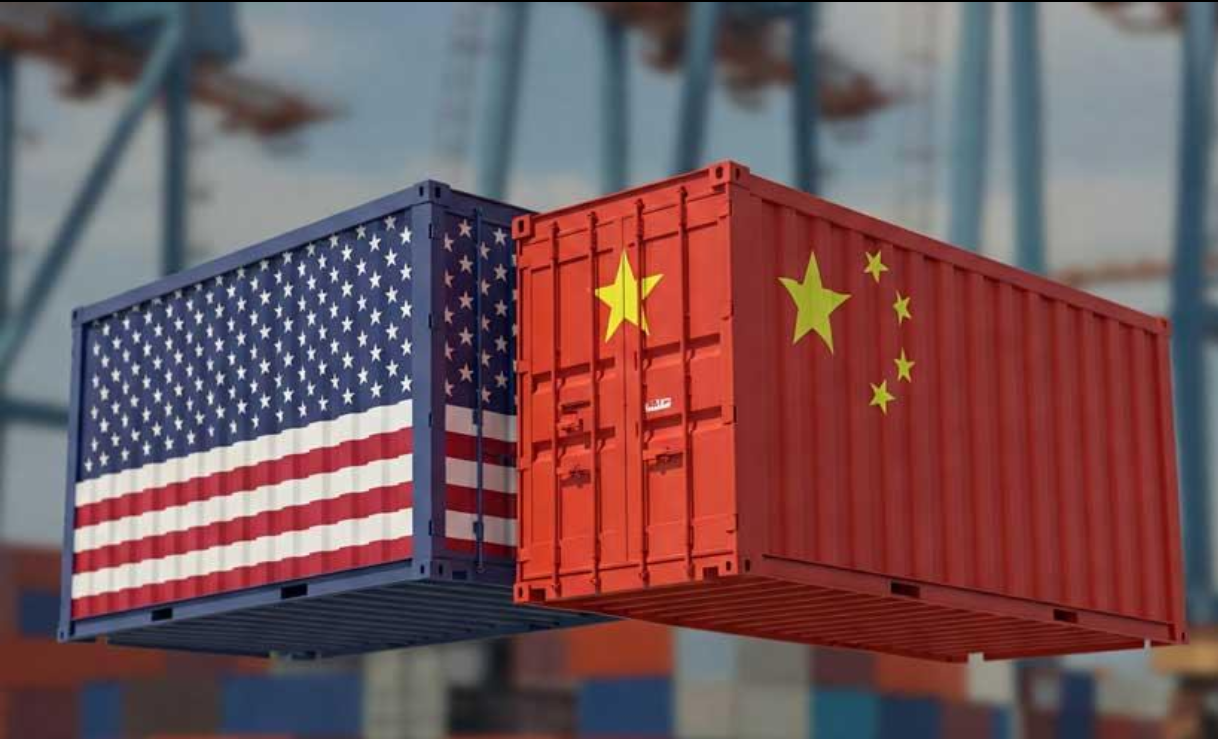
As the White House prepares to deploy sweeping new duties, a critical question looms over the global economy: will these tariffs trigger a lasting shift in international trade or deepen today’s commercial fractures? Donald Trump’s administration is set to impose heightened import taxes on 14 major economies, including China, the European Union, Japan, and India. With China facing the steepest hike at 20%, the move signals a bold escalation in Washington’s ongoing trade war strategy.
Why Washington is targeting 14 economic giants
The list of nations slated for new tariffs reads like a who’s who of global commerce. Beyond China—long the focal point of US criticism for its industrial overcapacity—Washington is also set to penalize the European Union, Japan, South Korea, India, and Taipei. In Asia, countries such as Vietnam, Thailand, Malaysia, Indonesia, Singapore, and Cambodia are also in the crosshairs. This expansive reach underlines a broader ambition: to recalibrate the rules of global trade by curbing what the administration views as unfair competitive advantages.
At the heart of the strategy lies a clear tension. Washington argues that these economies flood the US market with underpriced goods, undermining American manufacturers. By imposing tariffs, the White House aims to level the playing field—and, ultimately, revive domestic production.
The 20% proposed tariff on Chinese imports stands as the most aggressive of these measures, sending shockwaves through supply chains that connect factories across Asia to American consumers.
Who bears the cost of the new tariff offensive?
While the administration frames these duties as a defense of US jobs and industries, the ripple effects could stretch far beyond Washington’s borders. American consumers may soon face higher prices on imported electronics, textiles, and machinery—goods that have long relied on low-cost production in Asia and Europe. Businesses that depend on these imports could see their margins shrink or be forced to absorb the costs, potentially translating into layoffs or reduced investment.
The broader global impact is equally concerning. Export-driven economies like Vietnam, Thailand, and Bangladesh—which supply everything from clothing to semiconductors—could see demand plummet if their goods become less competitive in the US market. Meanwhile, European manufacturers of automobiles, machinery, and luxury goods may confront new barriers just as they strive to recover from years of disrupted supply chains.
Retaliation on the horizon: how the world may fight back
History offers a stark reminder of the dangers ahead. Past rounds of tariffs have often been met with swift retaliation, turning localized trade disputes into sprawling conflicts. Should countries like the European Union or China respond with counter-tariffs on US goods—ranging from agricultural products to aerospace equipment—the consequences could be severe. Entire industries, from German cars to Brazilian soybeans, could find themselves locked out of key markets.
Such a tit-for-tat escalation risks not only destabilizing supply chains but also accelerating the fragmentation of global trade into rival blocs. The result? Higher costs for businesses and consumers alike, slower economic growth, and a less predictable environment for international investment.
The timeline ahead: what businesses and policymakers need to watch
The proposed tariffs aren’t yet set in stone. Following a public consultation phase that runs until January 5, 2027, the administration will hold hearings beginning January 25. These discussions could lead to adjustments—or even the withdrawal of certain measures—if stakeholders raise compelling concerns. However, given the administration’s stated determination, few expect a complete reversal. Instead, the question is how far Washington will go—and how quickly the world will respond.
One thing is certain: if implemented, these tariffs won’t just alter the economics of global trade. They will force industries to rethink decades of supply chain decisions, reshape alliances, and test the resilience of an economic order already strained by geopolitical tensions. The stakes couldn’t be higher—and the clock is ticking.
Key sectors at risk
- Manufacturing: US factories may benefit from reduced competition, but the cost of protected industries could stifle innovation.
- Technology: Semiconductors and electronics—often reliant on Asian production—could see price surges.
- Agriculture: Export-dependent farmers face the threat of retaliatory measures targeting soy, pork, and dairy.
- Automotive: European and Asian carmakers may confront new barriers just as they pivot to electric vehicles.
- Textiles: Countries like Bangladesh and Vietnam, central to global apparel supply chains, risk losing market share.