Chad’s public security minister urges national unity against intercommunal conflicts
The Chadian Minister of Public Security and Immigration is advocating for a unified national effort to combat rising intercommunal conflicts, stressing the critical need for a holistic strategy and the active involvement of all societal stakeholders.
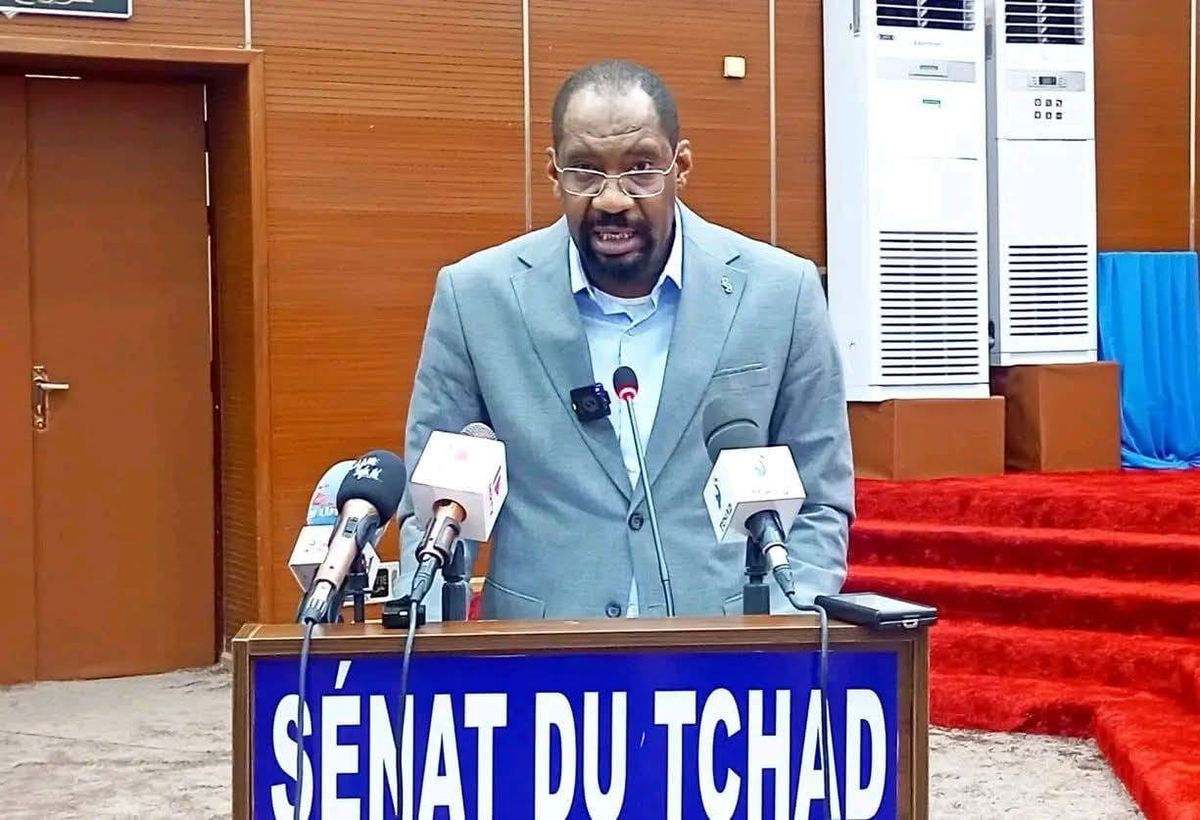
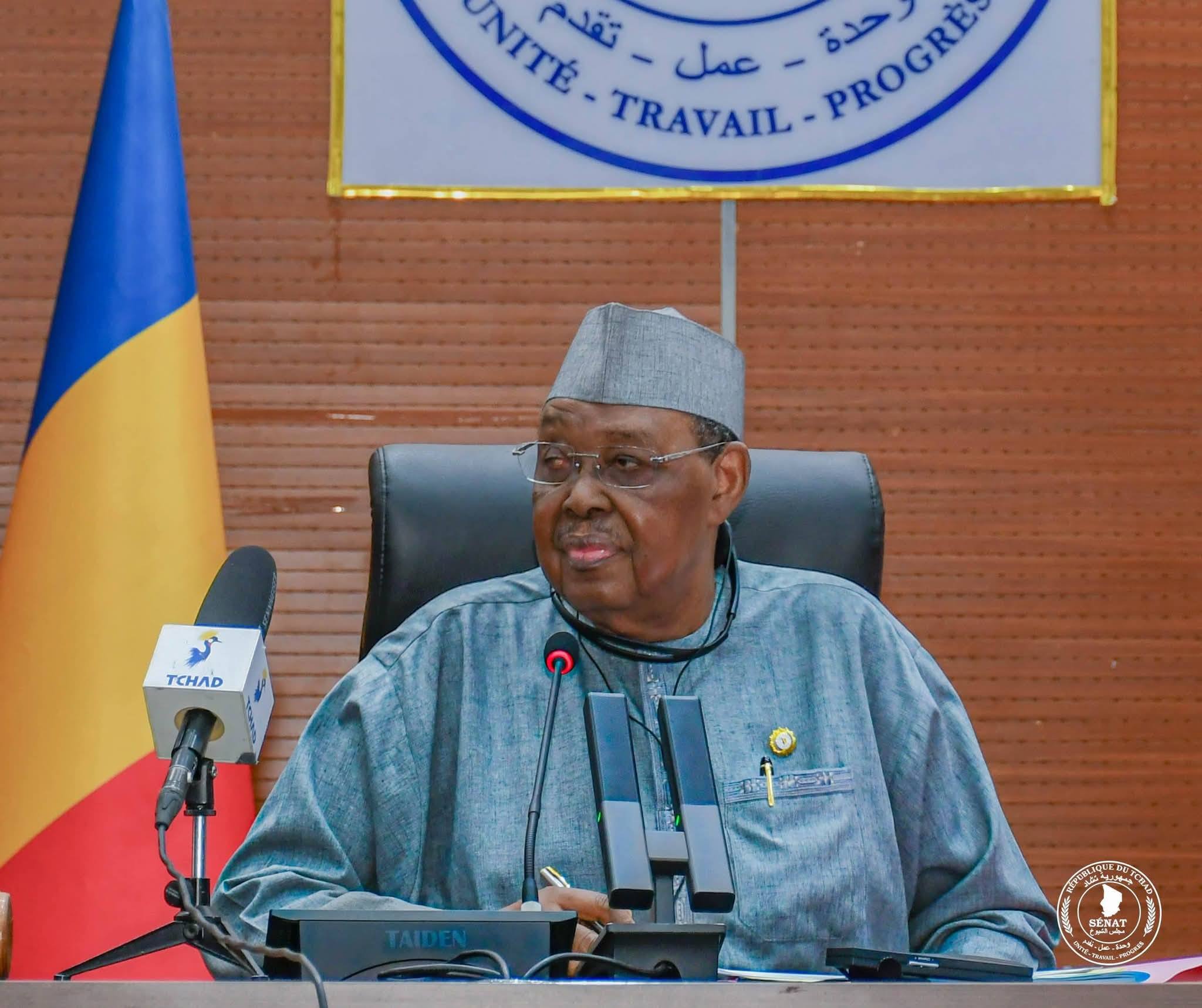
On Monday, June 1, 2026, the Chadian Senate convened a plenary session, presided over by Dr. Haroun Kabadi, to address pressing security concerns affecting the nation’s populace.
Responding to pointed inquiries from senators regarding the surge in intercommunal conflicts and the broader challenges to internal security, General Ali Ahmat Aghabache, the Minister of Public Security and Immigration, provided comprehensive answers. He outlined the government’s ongoing initiatives aimed at restoring lasting peace and strengthening social cohesion across Chad.
During the robust discussions, characterized by insightful analyses and practical recommendations from the senators, significant worries emerged concerning insecurity in various Chadian provinces. Elected officials particularly emphasized the imperative to bolster state presence in vulnerable regions, refine conflict prevention mechanisms, and enhance the operational capabilities of the national defense and internal security forces.
Minister Ali Ahmat Aghabache presented an unvarnished assessment of the national security landscape, directly addressing the senators’ concerns. Statistics shared with the High Assembly revealed the grim toll of intercommunal conflicts, with 318 lives lost and 3,015 individuals injured between 2024 and 2025. Beyond this profound human cost, extensive material damage has also devastated numerous communities throughout Chad.
The Minister underscored that these alarming figures vividly illustrate the pervasive nature of a phenomenon that continues to severely test social cohesion, destabilize territories, and impede crucial development initiatives undertaken by public authorities.
Confronted with this troubling reality, the government has implemented a series of strategic measures designed to enhance public safety and prevent the escalation of community tensions. Announced actions include increasing patrols in high-risk areas, improving the mobility of security forces through the acquisition of new vehicles, specifically motorcycles, and recruiting 1,000 police officers and 1,000 gendarmes to strengthen national security coverage.
The Minister reiterated the government’s unwavering commitment to fostering closer ties between security forces and citizens, enhancing surveillance in sensitive zones, and ensuring swift intervention at the first sign of tension. While commending the senators’ valuable contributions, General Ali Ahmat Aghabache stressed the absolute necessity of a comprehensive approach that integrates security measures with community dialogue, local mediation, and public awareness campaigns. He firmly reminded the assembly that tackling intercommunal conflicts cannot solely fall upon security forces but demands the active participation of all societal actors, including administrative, traditional, and religious leaders.
This crucial plenary session effectively illuminated the persistent security challenges facing Chad, simultaneously reaffirming the collective resolve of the Republic’s institutions to safeguard peace, reinforce national unity, and guarantee the safety of all citizens across the entire territory.