Chad’s Klessoum pardon: will the release of 150 inmates truly reshape justice and family life?
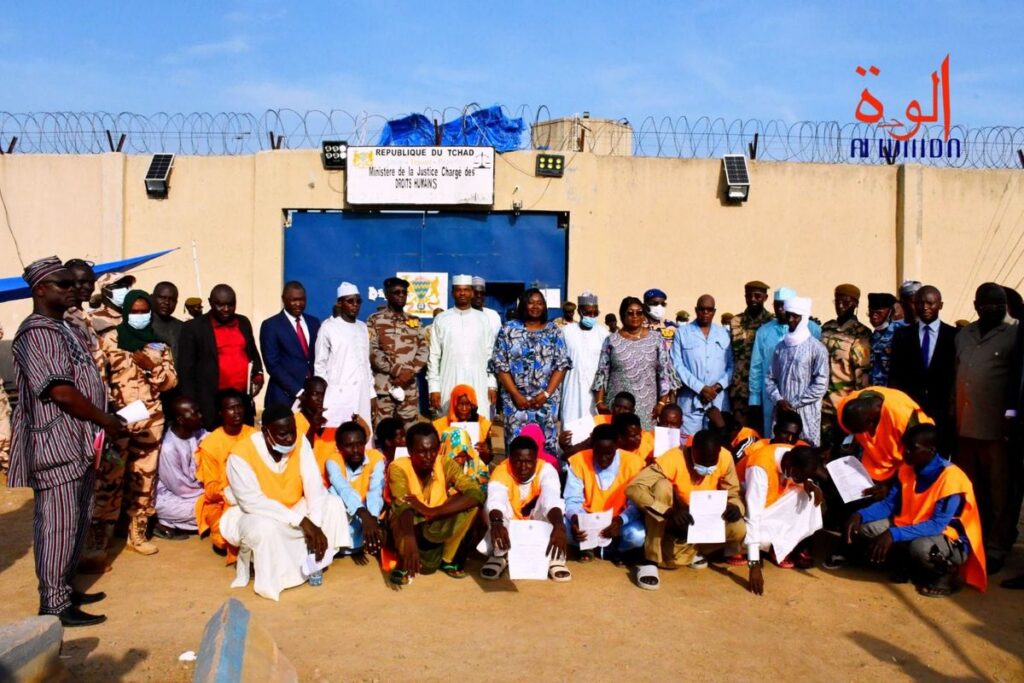
The Minister of Justice presided over the release of 150 detainees at Klessoum prison, applying a presidential decree on collective sentence remission. But what does this major gesture actually mean for the country’s justice system and the families involved?
By Hassan Abderamane
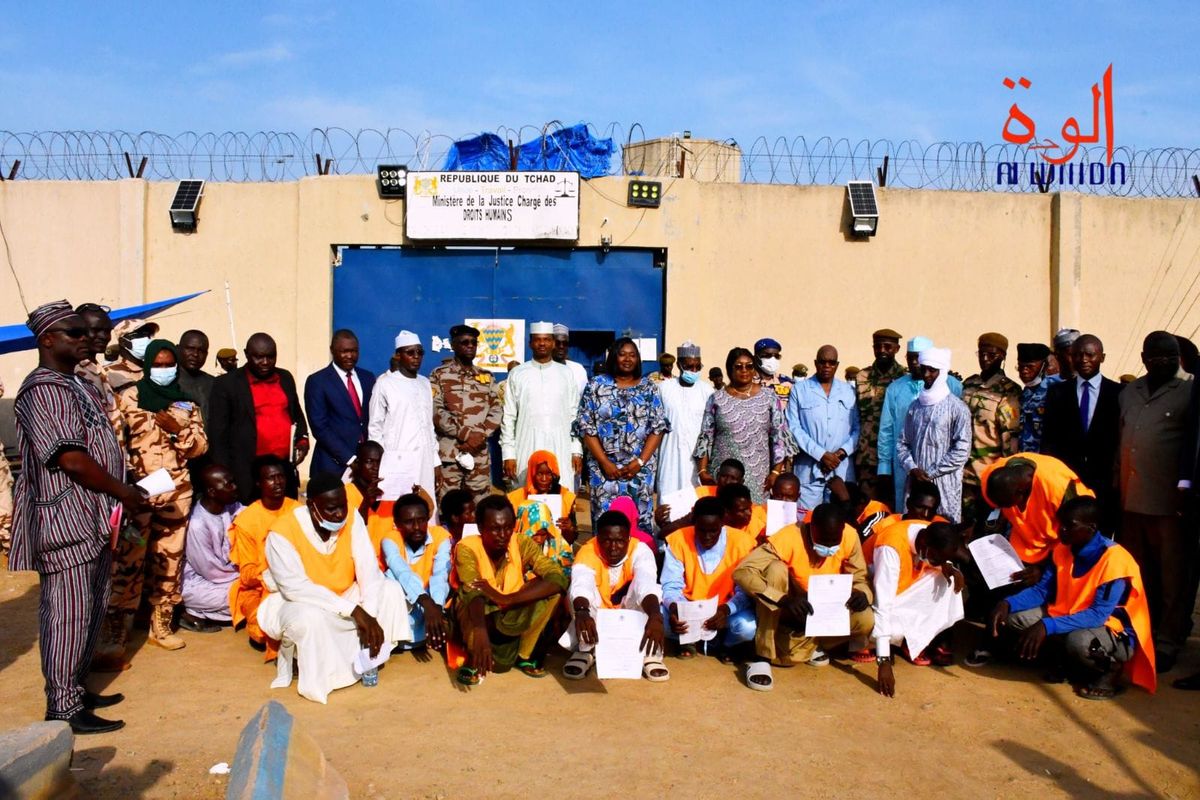
On Wednesday, 16 September 2026, the Minister of Justice, Keeper of the Seals, and Minister of Human Rights, Mrs. Ndolenodji Alixe Naïmbaye, led the official ceremony for the collective remission of sentences for convicts at the Klessoum Remand and Correctional Facility, under Decree No. 2151/PR/2026. The question now is whether this sweeping measure will deliver lasting change or merely offer a temporary reprieve.
What exactly happened at Klessoum prison?
The ceremony took place within the facility’s premises and brought together a host of senior judicial and security officials. Among those present were the Public Prosecutor at the N’Djamena High Court, the President of the N’Djamena High Court, the Prosecutor General at the N’Djamena Court of Appeal, the Secretary General of the Ministry of Justice, as well as heads of the defense and security forces and civil society representatives. Their presence underscored the gravity of the occasion.
In total, 150 detainees walked free under the provisions of Decree No. 2151/PR/2026, a move that has sparked both relief and questions about the broader direction of Chad’s penal policy.
The minister’s message: justice with a human face
In her address, Minister Ndolenodji Alixe Naïmbaye paid warm tribute to the Head of State, who, motivated by considerations of humanity and fairness, chose to extend his clemency to fellow citizens subject to final and enforceable criminal rulings. She quoted the Marshal of Chad: “For him, every citizen deserves competent, swift, accessible, and equitable justice.”
The minister reminded the audience that, stemming from sovereign magnanimity, the pardon is a regal privilege enshrined in the constitution. It is frequently exercised by the President of the Republic in various circumstances on behalf of thousands of convicts, whose sentences are either fully remitted or replaced with lighter penalties. It was in this context, she explained, that Marshal Mahamat Idriss Deby Itno, President of the Republic and Head of State, acting as the father of the nation, issued Decree No. 2151/2026 of 14 August 2026 on collective sentence remission.
She praised the act, describing it as “a gesture steeped in humanism and compassion, which we are solemnly executing today—more than an event, it is a defining moment when some of our fellow citizens with final common-law convictions will benefit from a partial and staggered reduction of their custodial sentences, or even release.”
How the release unfolded
The immediate application of the legal scale set by the decree resulted in the automatic release of 150 detainees whose remaining sentences were now fully served. The minister emphasized that this decision responds to fundamental requirements of public policy on justice and prison administration on several fronts. On one hand, it reflects a firm commitment to humanizing detention conditions and pragmatically adjusting sentence enforcement; on the other, it embodies targeted yet positive clemency.
Rights that remain untouched
Ndolenodji Alixe Naïmbaye also clarified that this remission applies exclusively to the penal sanction of imprisonment and cannot erase the rights of the State, civil parties, or third parties. This distinction is crucial, as it sets clear boundaries to what the pardon can and cannot achieve.
A broader push for justice reform?
Speaking on behalf of the government, she reaffirmed the ministry’s determination to continue modernizing judicial institutions and consolidating the rule of law, with the support of partners whose constant engagement she also acknowledged. The ceremony concluded with the handover of release certificates to the now-former detainees who benefited from the pardon under Decree No. 2151/PR/2026—a moment of joy and emotion, capped by a group photo to immortalize the occasion.
Yet beyond the immediate celebration, the key question lingers: will this collective remission serve as a springboard for deeper penal reform, or will its impact fade once the headlines move on? For the 150 individuals and their families, the answer begins today.
You may also like
Togo: media crackdown puts businesses and citizens on edge
What the Niger reshuffle really means for citizens, businesses and the economy
Niger’s information crackdown: the real cost for citizens, businesses and the economy
Gabon’s public debt drops below 70% of GDP after audit
Digitalisation du foncier au Gabon : le Ministre de l’Économie rejoint le protocole avec SNEDAI GROUPE