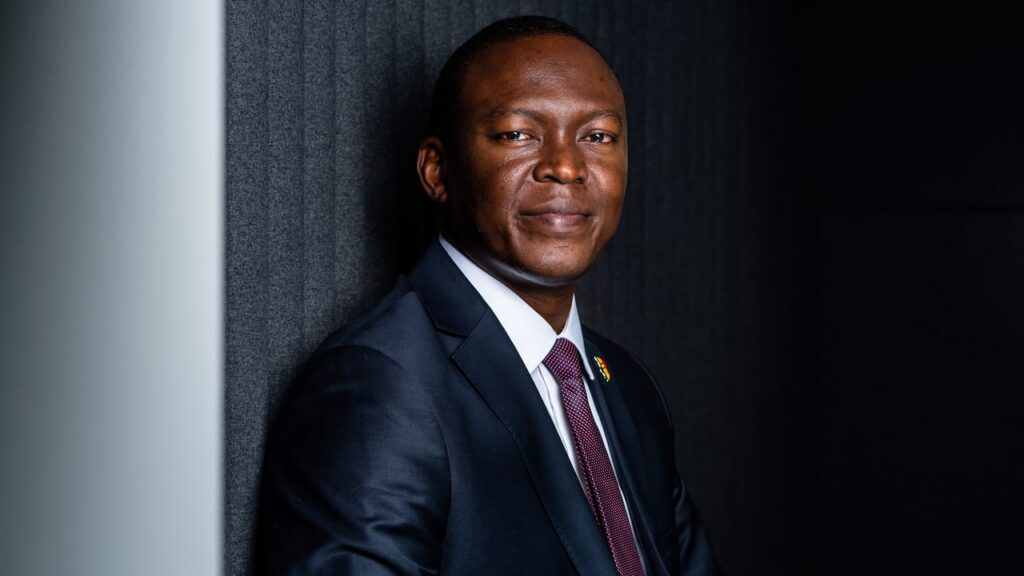

In a decisive move reshaping Chad’s political landscape, President Mahamat Idriss Déby Itno has granted a full pardon to prominent opposition figure Succès Masra, signaling a potential shift toward reconciliation after months of tension.
This unexpected decision follows weeks of intense pressure, including a high-profile hunger strike initiated by Masra from detention, which drew international attention to his case. Analysts describe the pardon as a pivotal moment for a nation grappling with demands for democratic reforms and stability in the Sahel region.
From detention to freedom: a contested leader’s return
The reversal of Masra’s legal status comes after his detention on charges widely seen as politically motivated. His release, announced through official channels, has sparked debates across N’Djamena’s political circles about the motives behind the president’s decision.
Masra, who rose to prominence during the 2022 national protests, has long been a vocal critic of the transitional government. His pardon coincides with growing calls for inclusive dialogue to address Chad’s socio-economic challenges and restore public trust in state institutions.
What this means for Chad’s political future
The move is being interpreted by many as an attempt by Déby Itno’s administration to open a new chapter in governance. Political observers note that while the pardon may ease immediate tensions, long-term reconciliation will depend on concrete actions beyond symbolic gestures.
Key questions remain unanswered: Will Masra’s release lead to broader political reforms? Can his return to the public sphere help bridge divides between the government and civil society? These uncertainties highlight the fragile nature of Chad’s current transition period.
Regional implications of Chad’s evolving politics
Chad’s political developments do not exist in isolation. As a central player in the Sahel, the country’s stability—or instability—has ripple effects across neighboring West Africa. The pardon of a once-detained opposition leader could either reinforce confidence in democratic processes or raise concerns about the government’s commitment to genuine reform.
International stakeholders will be closely monitoring Chad’s next steps, particularly regarding security cooperation and regional alliances. The decision to release Masra may be seen as a test of the transitional government’s willingness to embrace pluralism and transparency.
Reactions and road ahead
Public sentiment toward the pardon is divided. Supporters of Masra view his release as a victory for justice and freedom of expression, while skeptics question whether this gesture is sufficient to address systemic issues plaguing Chad’s political system.
Civil society groups have cautiously welcomed the move but emphasize the need for follow-up actions, including the restoration of civil liberties and the resumption of inclusive national dialogue. The coming weeks will be critical in determining whether this pardon marks the beginning of a new era or remains an isolated act of goodwill.
As Chad navigates this delicate phase, one thing is certain: the repercussions of this decision will shape the country’s trajectory for years to come.
You may also like
Lyon’s goalless stalemate with Chelsea: the real-world fallout for fans, clubs and the women’s game
Eastern DRC peace mediation: what the latest Tshisekedi letter to Gnassingbé means for civilians and local businesses
Mali: JNIM ambush on Russian Africa Corps convoy near Niono — what it means for civilians and local trade
Mali’s poverty crisis: how hunger and hardship are reshaping daily life for millions
Guinea-Bissau’s December election: what Embaló’s return means for daily life, stability and the economy