
From detention to clandestine talks in N’Djamena
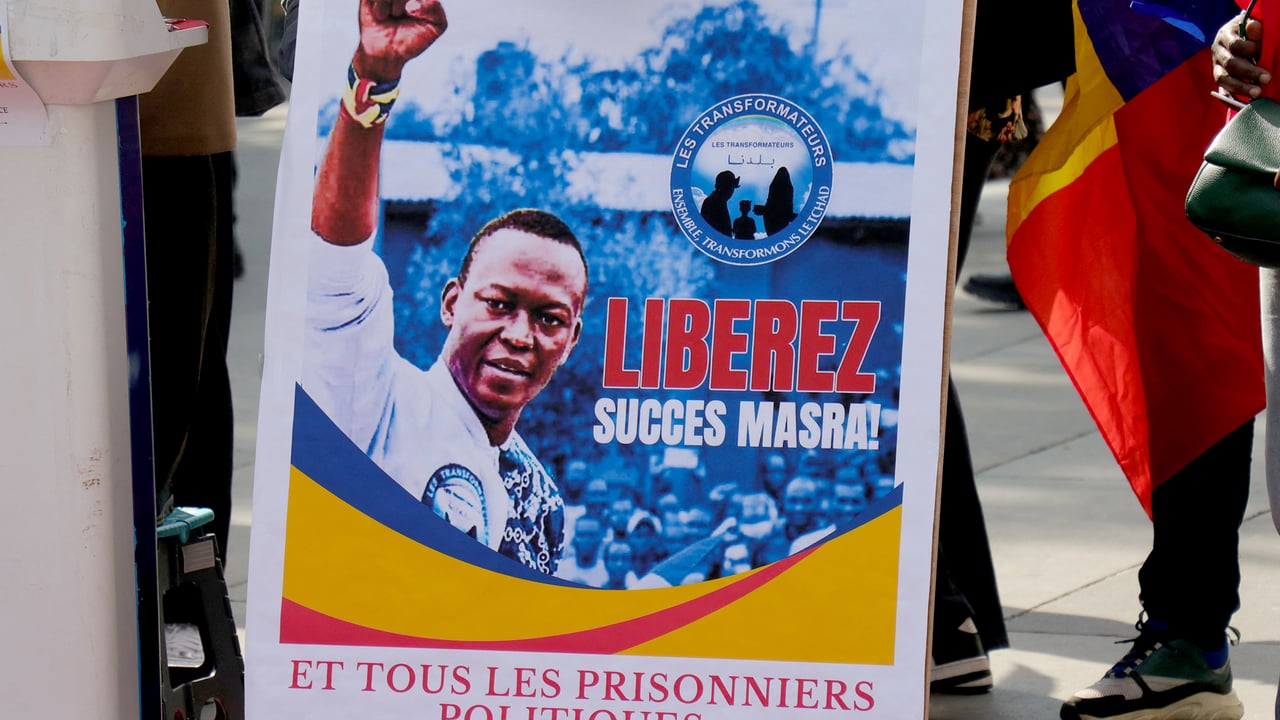
A year after his imprisonment, Chad’s opposition leader Succès Masra has become the focal point of a delicate political chess game. His detention initially sparked widespread protests across N’Djamena, with demonstrators demanding his immediate release. Yet behind the scenes, authorities began engaging in confidential negotiations with the detained politician, revealing a strategy aimed at defusing the mounting tensions.
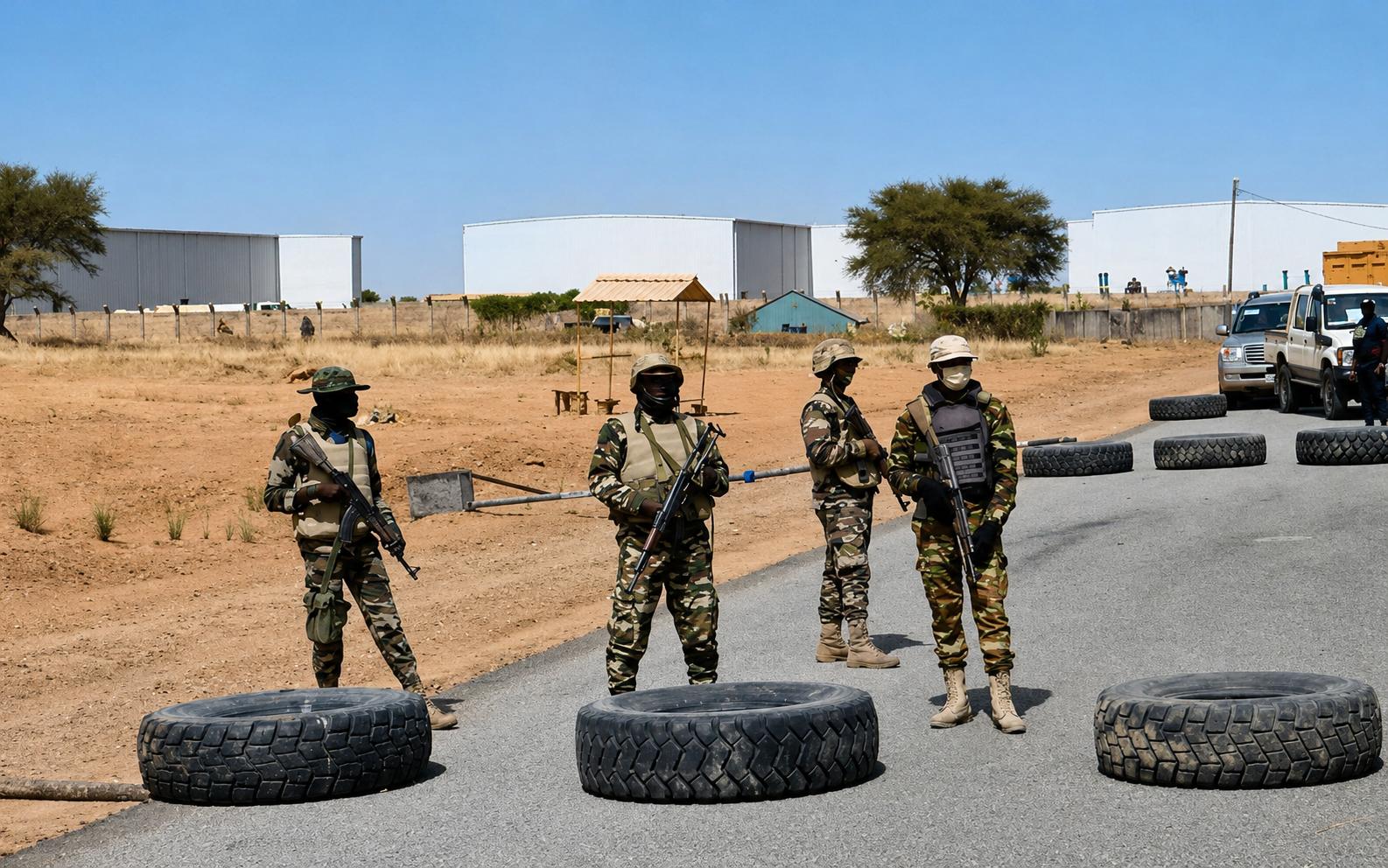
These secret discussions, conducted in the capital’s most secure facilities, have taken on particular importance as Chad navigates a delicate transition period. The stakes are high: balancing public demands for reform with the need to maintain stability in a country grappling with multiple security challenges.
Key figures in the negotiation process
The talks have involved multiple stakeholders, each playing a distinct role in the unfolding dialogue. Mahamat Idriss Déby Itno, the transitional leader, has been at the center of these exchanges, signaling a potential shift in the government’s approach toward opposition figures.
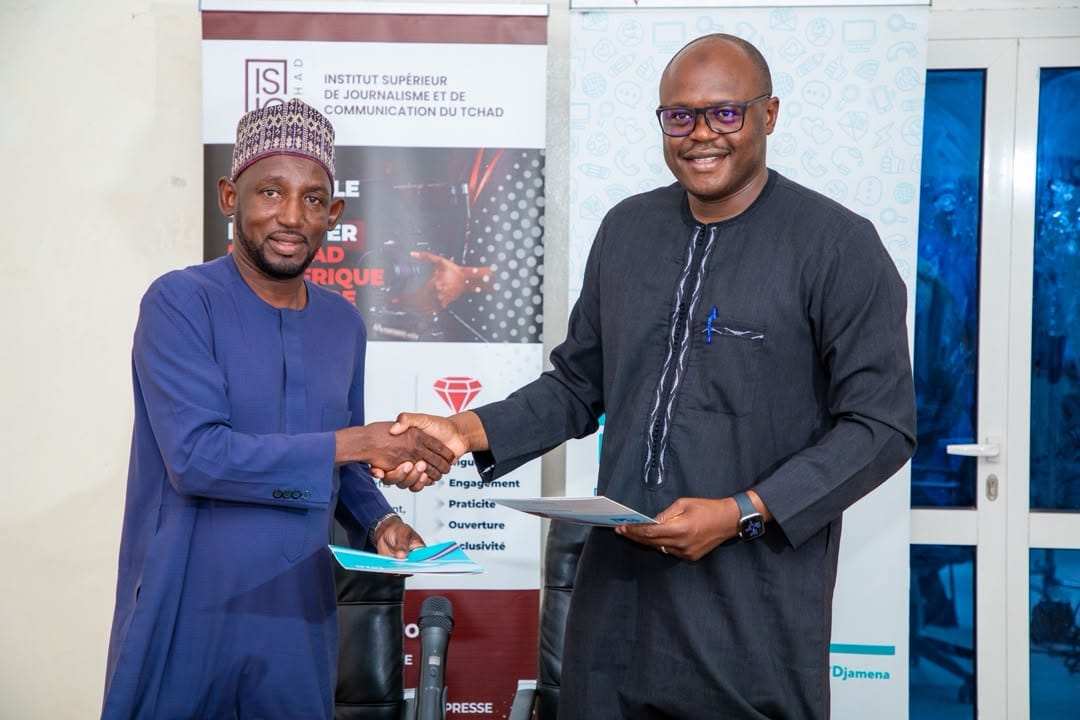
The process has also seen the involvement of senior military officials and representatives from civil society organizations, reflecting the complex interplay between different power centers in Chad’s political landscape.
Public reaction and civil society’s role
The opposition leader’s year-long detention has not gone unnoticed. In Chad and abroad, human rights organizations have repeatedly called for his release, citing concerns over due process and the conditions of his confinement. Meanwhile, the diaspora community has organized rallies, including a high-profile demonstration in Paris, to keep international attention focused on Masra’s case.
Within Chad, civil society groups have played a crucial role in mediating between the government and opposition factions. Their efforts have helped maintain a fragile dialogue, even as political tensions remain palpable in the streets of N’Djamena.
What’s next for Chad’s political landscape?
As negotiations continue, all eyes are on the outcome of these clandestine talks. The government’s willingness to engage in dialogue with Masra suggests a recognition of the need for inclusive political solutions. However, the road ahead remains uncertain, with questions lingering about the terms of any potential agreement and its impact on Chad’s future stability.
The coming weeks will be critical in determining whether these behind-the-scenes discussions can translate into tangible progress—or whether Chad’s political crisis will deepen further.