
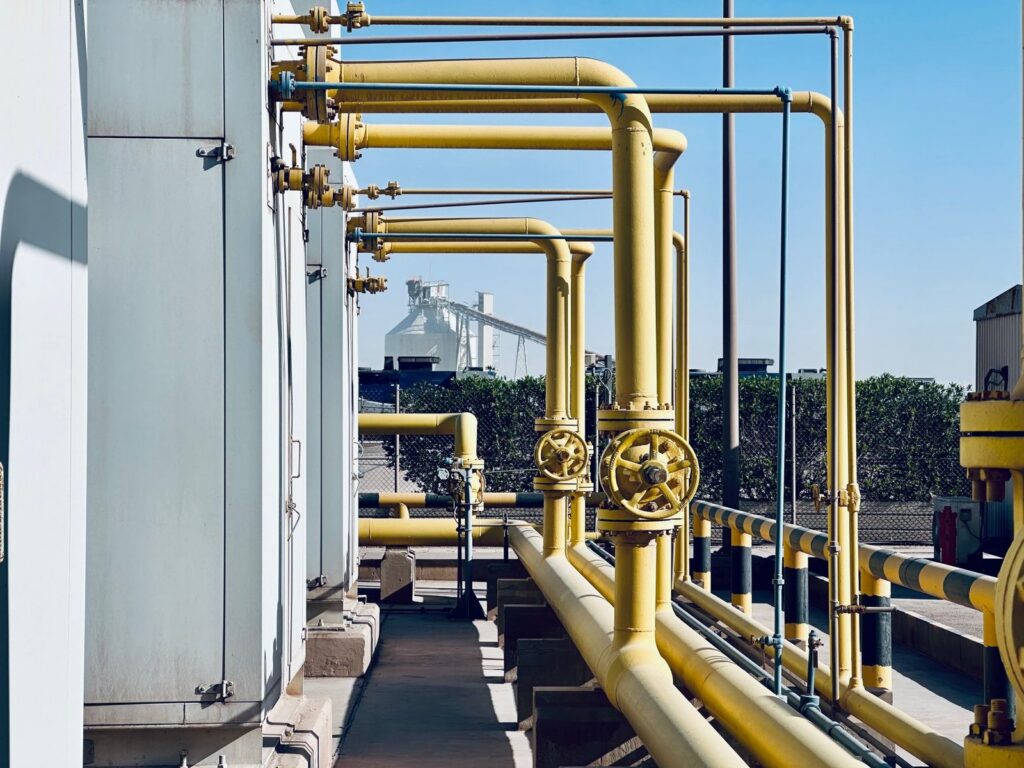
The Chad-Cameroon pipeline has become a cornerstone of Cameroon’s fiscal strategy. Between 2020 and 2025, the Cameroonian treasury collected 222.2 billion FCFA in transit fees from Chad’s crude oil transported to the Kribi maritime terminal. This figure, detailed in the Medium-Term Economic and Budgetary Programming Document (2027-2029) compiled by the Finance Ministry, translates to an average annual revenue of 37 billion FCFA per year for allowing the oil to pass through Cameroonian territory.
Chad, a landlocked nation with no coastline, relies entirely on this pipeline to export its oil production. The transit fee charged by Cameroon is calculated per barrel transported, with rates adjusted periodically through bilateral negotiations. This mechanism, combined with fluctuating oil volumes and the dollar-FCFA exchange rate, directly influences the financial returns of the pipeline for Cameroon’s public finances.
Revenue Growth Triples Over Ten Years
A decade-long comparison reveals a striking transformation. Official records from the Pipeline Steering and Monitoring Committee (CPSP) show that Cameroon earned 85.5 billion FCFA in transit fees during the first eight years of operations, following the pipeline’s launch on October 3, 2003. That averaged 10.7 billion FCFA annually, compared to today’s 37 billion FCFA. Though the recent period spans only six years, the total transit fees already exceed the initial eight-year haul by 136.7 billion FCFA.
However, this surge demands careful analysis. The pipeline’s financial performance hinges on three variables: the per-barrel transit tariff, the volume of oil transported, and the dollar-FCFA exchange rate. Without a publicly disclosed annual breakdown of the 222.2 billion FCFA, isolating the exact contribution of each factor remains impossible.
Tariff Hikes Fuel Revenue Surge
The most significant driver of this growth has been the repeated increases in transit tariffs. When the pipeline began operations, the rate stood at 0.41 USD per barrel. It was first adjusted in 2013, then again in 2018, reaching 1.321 USD per barrel—more than tripling in fifteen years. This upward revision alone has mechanically inflated Cameroon’s earnings, regardless of transport volumes.
A scheduled tariff update was set to take effect on October 1, 2023, under the existing agreement between the two countries. However, no new rate has been publicly announced to date. This uncertainty clouds the outlook for future transit revenues, especially as tariff negotiations remain a recurring point of diplomatic discussion between Yaoundé and N’Djamena.
Historical Comparisons Require Caution
When examining long-term trends, it’s essential to clarify accounting differences. COTCO, the operator of Cameroon’s pipeline segment, reported approximately 200 billion FCFA transferred to the treasury between 2004 and 2013. However, this total included income taxes and other levies paid by the company—not just transit fees. Therefore, it cannot be directly compared to the 222.2 billion FCFA collected from 2020 to 2025, which exclusively covers transit duties. The precise share of transit fees within COTCO’s 200 billion FCFA remains undisclosed, making the 85.5 billion FCFA from the first eight years the most reliable benchmark for comparison.
Mid-2026 data underscores the pipeline’s enduring financial impact. By the end of May, Cameroon had already collected 15.1 billion FCFA in transit fees for the year, according to CPSP figures. While this figure does not predict the full-year outcome, it highlights the pipeline’s critical role in Cameroon’s oil export revenues. Analysts suggest that the delayed announcement of the new transit tariff—expected since October 2023—will be a key determinant of future revenue trajectories.
You may also like
Burkina Faso: sovereignty on credit and the bill that comes later
Inside Mali’s worst military setback: the fall of the Dioura camp to JNIM
Niger’s 334 billion CFA franc tax backlog: a state that folds before its economic giants
Benin’s AME teachers: pay, protection and integration in 2026-2027
Trading one patron for another: the sovereignty illusion under Ibrahim Traoré