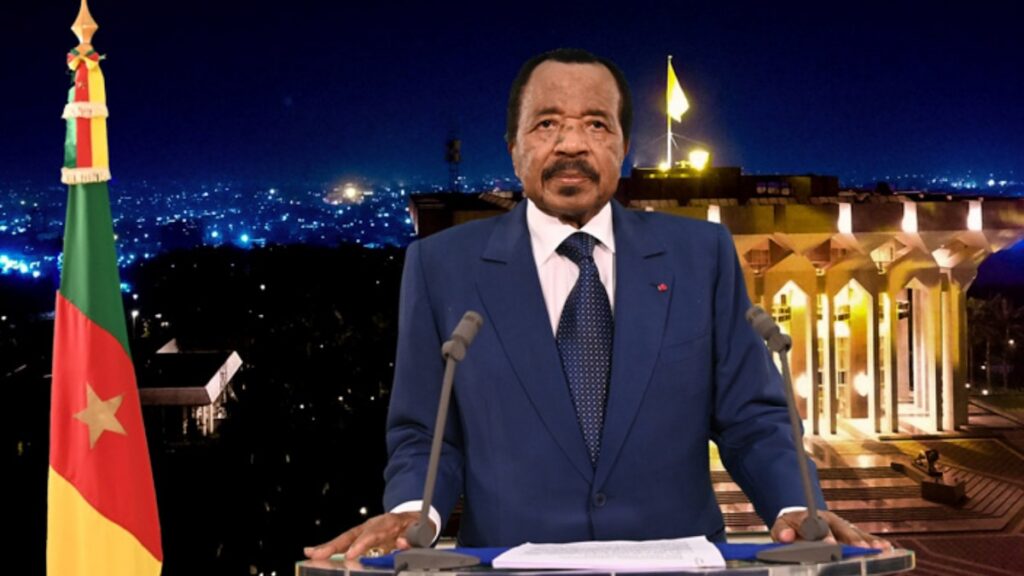
Since June 7, 2026, when President Paul Biya left Yaoundé for what was described as a short private stay in Europe, Cameroon has been navigating uncharted waters. Over two months later, his absence—marked by no public appearances or official return date—has evolved from a political curiosity into a pressing national challenge. In a country where centralized power hinges on the president’s signature, this leadership void is leaving tangible, measurable scars on both the economy and daily life.
Economic paralysis: markets hesitate as governance stalls
Cameroon’s hyper-centralized governance model places the head of state at the heart of every major economic decision. The prolonged absence of Paul Biya is creating a domino effect of institutional and financial gridlock:
- Financial markets on edge: Recent financial assessments reveal Cameroonian dollar-denominated bonds performing among the worst in Africa. Leading rating agencies highlight the lack of clarity on succession and heightened political instability as key deterrents for international investors.
- Frozen infrastructure projects: Large-scale public-private partnerships and critical infrastructure initiatives require high-level arbitration. Without executive decisions, project files pile up on ministerial desks, delaying budget disbursements and slowing state expenditures.
- Administrative paralysis persists: Despite a constitutional reform in April 2026 introducing a vice-presidential role to mitigate leadership gaps, no appointment has been made. The anticipated ministerial reshuffle remains stalled, reinforcing bureaucratic stagnation.
Social strain: rising costs and public frustration deepen
The ripple effects of this institutional slowdown are hitting Cameroonians where it hurts most—in their wallets and their trust in leadership:
- Soaring living costs: Local markets are grappling with relentless inflation on essential goods and fuel. Without responsive fiscal policies or budgetary adjustments, household purchasing power continues to erode.
- Distrust and anxiety take root: The government’s silence fuels rampant speculation on social media, breeding resentment among citizens and youth. A growing sense of abandonment pervades the public sphere.
- Neglected crises: Critical issues such as the North-West and South-West regions conflict, youth unemployment, and crumbling electricity and road networks lack the political momentum needed for sustainable solutions.
Leadership void exposes systemic weaknesses
The prolonged absence of Paul Biya is acting as a magnifying glass, revealing the brittleness of Cameroon’s institutional model. It underscores how dangerously fragile the socio-economic fabric becomes when power is concentrated in the hands of one leader—and that leader steps away.
For Cameroon to restore donor confidence and social cohesion, urgent measures are needed: transparent governance, swift reappointment of key officials, and immediate resumption of routine state functions.
You may also like
Chad’s UN warning on Ennedi-East strikes: global reactions and what happens next
General Olenga’s delisting from US sanctions: reactions, debate and what lies ahead for the DRC
Iran’s Hormuz gambit: the world reacts as a seven-day clock starts ticking
Burkina Faso’s public debt debate intensifies as borrowing surpasses 8,700 billion FCFA
Benin’s police investigation overhaul: the fallout, the debate and what comes next