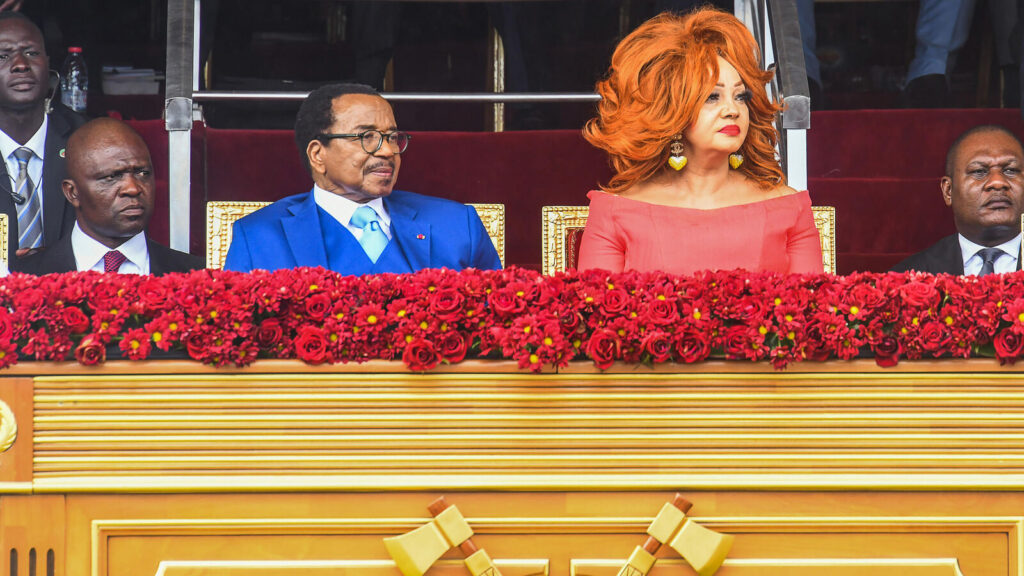
The Swiss city of Geneva has quietly become the nerve center of Cameroon’s political landscape. For over two months, President Paul Biya has remained in the Alpine nation, marking the longest absence of his 43-year rule—a situation that has left many questioning the state of governance in Yaoundé.
Since his sudden departure on June 7 following a medical episode during a national unity celebration, Biya’s prolonged stay in Switzerland has fueled speculation. Without visible public appearances or clear updates from official channels, rumors have spread, with some even doubting his ability to continue leading the country from afar.
Empty corridors: the vacuum of power
While government officials insist everything is under control, the absence of the veteran leader is increasingly hard to ignore. State functions continue, yet the void left by Biya’s prolonged absence raises pressing questions about decision-making processes and the future trajectory of Cameroon’s leadership.
Critics from the opposition argue that the administration’s reliance on remote governance exposes systemic fragility. Without the president’s direct oversight, key policy directives—often issued as decrees from abroad—raise concerns over transparency and accountability in managing national affairs.
Between silence and decree: the paradox of remote leadership
The government has sought to downplay concerns, pointing to the issuance of official decrees as proof of ongoing governance. Yet, the lack of public engagement or appearances by Biya himself has done little to dispel unease. In a political system where authority is deeply centralized around the presidency, such prolonged detachment risks eroding public trust and institutional stability.
The situation has also intensified discussions about succession—a topic long avoided in Cameroon’s political discourse. With Biya approaching 90 years old, the prolonged absence has intensified debates over who may succeed him and under what circumstances, leaving the nation in a state of cautious anticipation.
Public reaction: from speculation to demand for clarity
In the streets of Yaoundé and beyond, citizens are voicing growing frustration. Social media platforms buzz with theories, while ordinary Cameroonians express confusion over the lack of clear communication from the highest office. The silence from the presidency only deepens the mystery, fueling both political commentary and grassroots calls for transparency.
As weeks turn into months, the question remains: how long can a nation be governed from a hospital room in Geneva? Without decisive action or reassuring statements from the leadership, the uncertainty continues to cast a shadow over Cameroon’s political future.
You may also like
Lyon’s goalless stalemate with Chelsea: the real-world fallout for fans, clubs and the women’s game
Eastern DRC peace mediation: what the latest Tshisekedi letter to Gnassingbé means for civilians and local businesses
Mali: JNIM ambush on Russian Africa Corps convoy near Niono — what it means for civilians and local trade
Mali’s poverty crisis: how hunger and hardship are reshaping daily life for millions
Guinea-Bissau’s December election: what Embaló’s return means for daily life, stability and the economy