The arrest of an influential imam in Burkina Faso has ignited widespread protests, highlighting growing tensions over a controversial government bill aimed at regulating religious practices.
Controversial legislation sparks unrest
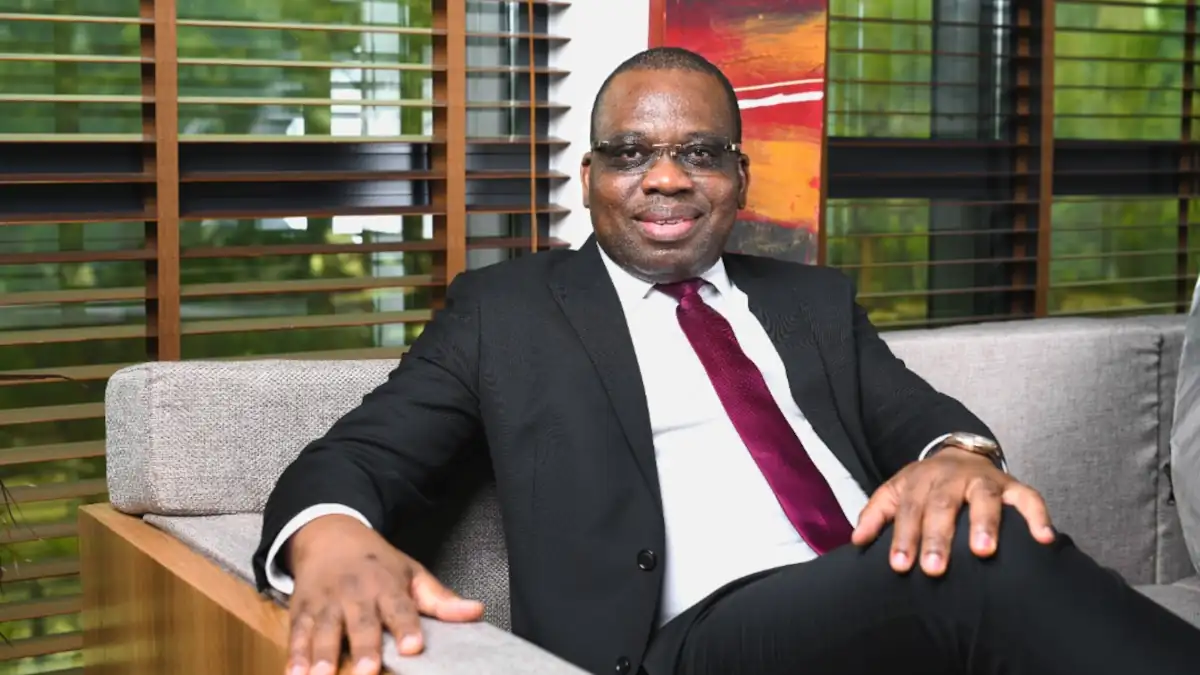
Earlier this week, Imam Mohamed Kindo was taken into custody in Ouagadougou, drawing immediate condemnation from his followers. The arrest follows similar incidents in recent weeks, including the mid-April detention of another prominent imam from Bobo Dioulasso, Mahmoud Barro, and the March 31 death of cyber-activist Mahamadi Baguian while in police custody—a case that remains under scrutiny.
The catalyst for these events is a proposed law designed to restrict religious freedoms, particularly the practice of Islam in public spaces such as government offices, hospitals, and military barracks. Officially approved by the Council of Ministers on March 19, the bill has faced fierce opposition from the country’s Sunni Muslim community, with Imam Kindo emerging as a vocal critic.
Protests erupt as faithful denounce government crackdown
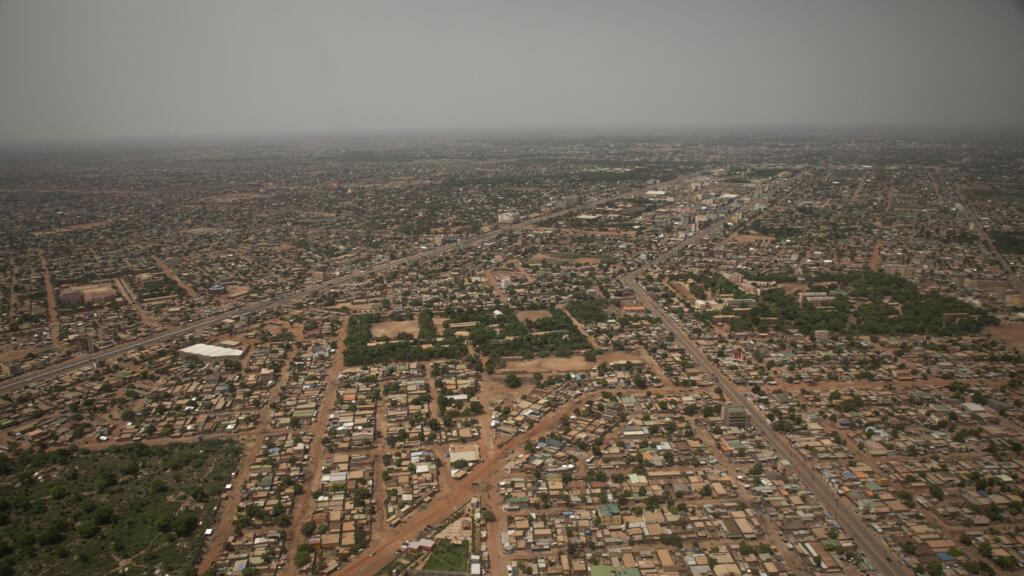
Tensions escalated dramatically following Imam Kindo’s detention, coinciding with the eve of Eid al-Adha (Tabaski). Hundreds of his supporters flooded the streets of Ouagadougou, clashing with security forces in a display of defiance. Authorities responded with tear gas and violent dispersals, further inflaming public anger.
The proposed legislation, which seeks to limit religious expression in secular institutions, has become a flashpoint in Burkina Faso’s ongoing debate over governance and civil liberties. Critics argue the law infringes on fundamental rights, while proponents contend it is necessary to maintain public order and secularism.
Broader implications for religious freedom
The unrest reflects deeper divisions within Burkina Faso, where religious leaders and civil society groups increasingly challenge state policies they perceive as authoritarian. The arrest of Imam Kindo, a respected figure in the Sunni community, has galvanized opposition, with many viewing the government’s actions as an overreach.
As the debate intensifies, the proposed law’s fate remains uncertain. For now, the streets of Ouagadougou serve as a battleground not just for religious expression, but for the very principles of democracy and freedom in the country.