Bénin and Niger poised to reopen long-closed border after historic talks
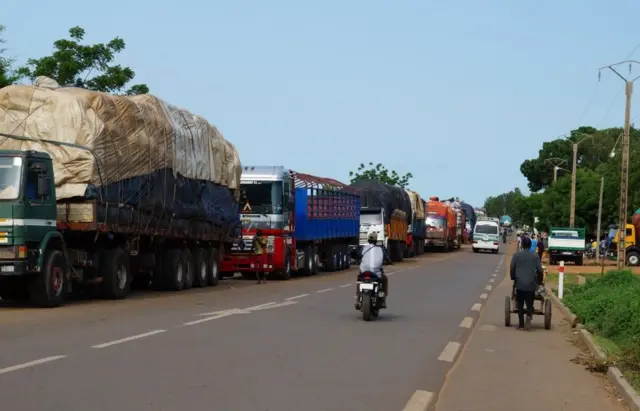
After three years of frozen diplomatic and commercial relations, Niger and Bénin have taken a decisive step toward reopening their shared border. The announcement follows intensive two-day negotiations in Cotonou that concluded Sunday evening.
High-level delegations from both nations, led by Niger’s Interior Minister General Mohamed Toumba, engaged in marathon sessions to resolve longstanding disputes over security cooperation, transit fees, and unresolved trade grievances that had escalated following the 2023 military takeover in Niamey.
Key agreements reached during landmark talks
The delegations finalized agreements on several critical fronts:
- Enhanced security cooperation: Both nations will establish joint patrols along their 277km border to combat terrorism and cross-border crime.
- Trade facilitation: Transit goods will be exempt from certain taxes while prohibited items will face stricter controls.
- Dispute resolution: A joint committee will address outstanding financial claims between customs authorities and transporters.
- Economic normalization: Plans include revising port fees and re-establishing the Seme-Kpodji oil pipeline operations.
General Toumba characterized the outcome as “securing our security priorities while laying the foundations for economic and legal normalization.” He emphasized the dialogue’s goal to “create value for our economies, security for our populations, and hope for our youth.”
Diplomatic thaw begins with new leadership
The breakthrough coincides with a change in Bénin’s presidency. President Romuald Wadagni, who took office in April 2026, made his first foreign visit to Niamey just days after inauguration. The rapprochement gained momentum after his meeting with Niger’s transitional leader, General Abdourahmane Tiani, on June 2.
Bénin’s Industry and Trade Minister Oleshegun Adjadi Bakari reflected on the historic significance: “After 48 hours together, we form one delegation with one objective: to rekindle the centuries-old bond between our peoples.” The minister confirmed the delegations had “restored a climate of trust” that had been absent for three years.
The final agreements must now receive approval from both governments before implementation. Transport leaders on both sides expressed cautious optimism about the border’s eventual reopening.
The roots of a three-year dispute
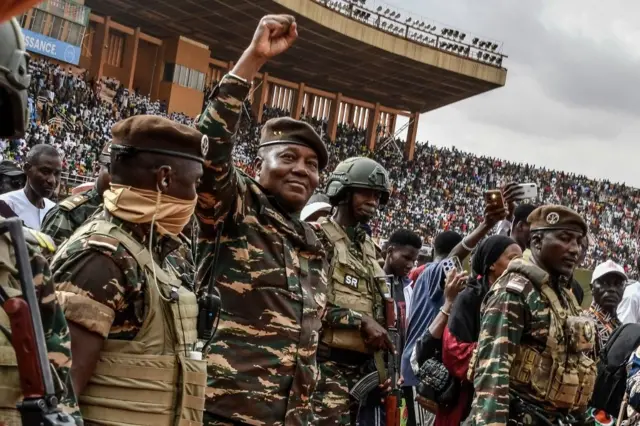
The diplomatic rupture began in July 2023 when Niger’s military leadership took power following President Mohamed Bazoum’s ousting. Niamey accused regional leaders, including Bénin’s former president Patrice Talon, of supporting a via the Economic Community of West African States (ECOWAS) to restore constitutional order.
Accusations flew in both directions: Niger claimed Bénin harbored French troops plotting invasion, while Cotonou denied these allegations. The dispute intensified after ECOWAS imposed sanctions against Niamey, prompting border closures that crippled regional trade.
Tensions escalated further when Niger accused Bénin of supporting coup plotters following an attempted overthrow of Patrice Talon in December 2025. The military junta also questioned Bénin’s role in harboring Nigerien armed groups operating across the shared frontier.
Economic toll of three years of separation
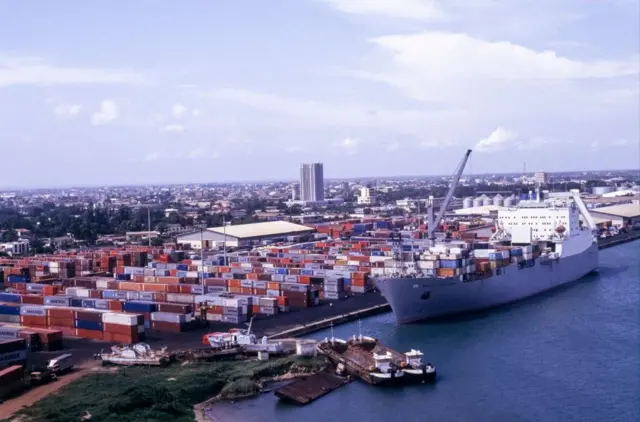
The border closure transformed one of West Africa’s busiest trade corridors into a political fault line. Both nations suffered severe economic consequences:
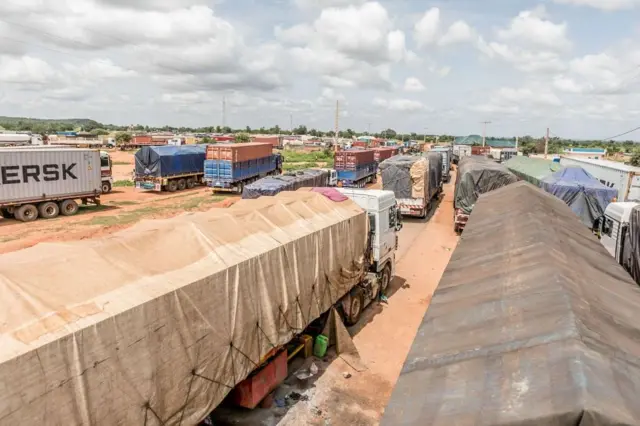
- Transit disruptions: Nigerien transporters reported 90% reductions in cross-border cargo volumes, with some warehouses operating at 10% capacity.
- Port de Cotonou impact: The Béninois port saw a 60% drop in Niger-bound container traffic, forcing many businesses to close.
- Alternative route costs: Truckers rerouted through Burkina Faso, adding 300km to journeys while facing increased security risks from jihadist attacks.
- Petroleum pipeline shutdown: The 2,000km Seme-Kpodji pipeline that carries Nigerien crude to Bénin’s refineries remains inactive since the dispute began.
Niger, a landlocked nation, depends heavily on Cotonou’s port for 90% of its international trade. The border closure disrupted food supplies, fuel imports, and agricultural exports, particularly cereals and cotton.
Transport union leaders described the situation as “devastating for communities on both sides of the border.” The economic strain extended beyond trade to affect daily livelihoods, with many transporters and small business owners facing bankruptcy.