Understanding Senegal’s debt challenge
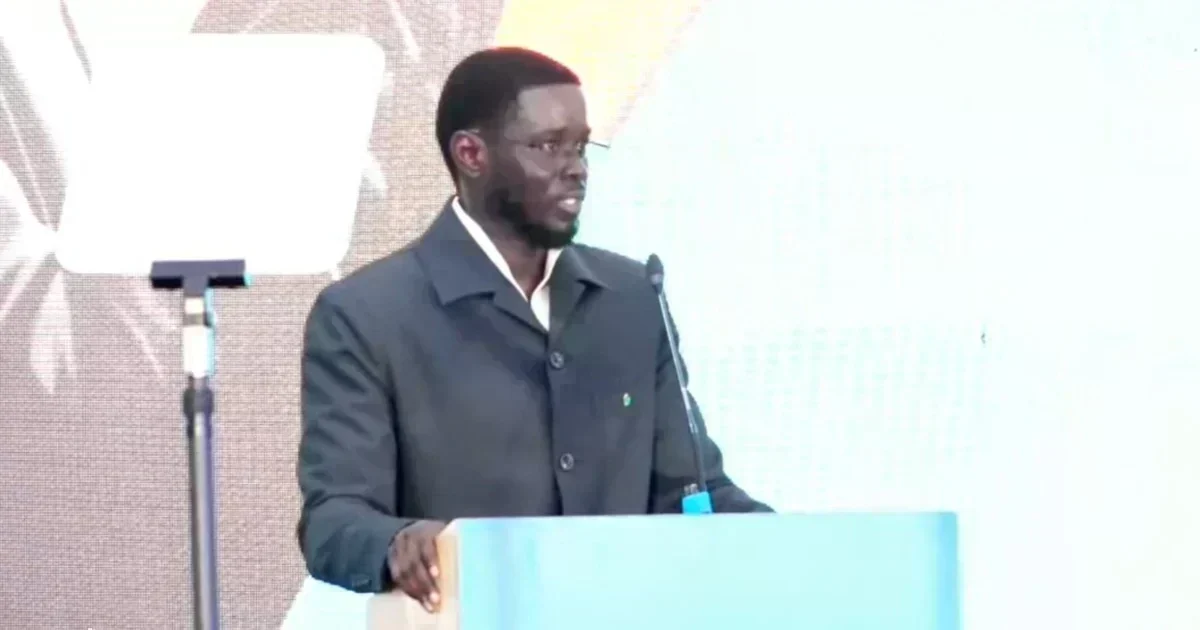
The recent International Monetary Fund (IMF) mission to Dakar has shed light on critical aspects of Senegal’s financial landscape. With the country facing mounting public debt, the discussions centered on strategies to stabilize finances while ensuring sustainable growth. President Bassirou Diomaye Faye engaged directly with IMF representatives, emphasizing transparency and reform.
Key figures in the delegation, including mission chief Mercedes Vera Martin, highlighted the importance of structural adjustments to address hidden liabilities that have weighed on Senegal’s economy. The meetings, held in late January, marked a pivotal moment in the nation’s approach to debt management.
Critical takeaways from the IMF’s visit
The IMF’s assessment revealed both challenges and opportunities for Senegal. Among the most pressing issues was the revelation of previously undisclosed debt obligations, which have significantly impacted fiscal planning. The mission proposed a series of targeted interventions to restore confidence in the country’s economic policies.
Central to the negotiations was the need for fiscal discipline. The IMF underscored the urgency of curbing unnecessary expenditures while boosting revenue streams through improved tax collection and economic diversification. These measures aim to reduce the debt-to-GDP ratio over the medium term.
Reforms in focus
The IMF’s recommendations can be grouped into three core areas:
- Debt transparency: Full disclosure of all financial obligations to prevent future surprises and enhance investor trust.
- Structural reforms: Streamlining public sector operations to improve efficiency and reduce waste.
- Social investment: Protecting essential public services, particularly in healthcare and education, despite fiscal constraints.
Impact on Senegal’s economic trajectory
Senegal’s ability to implement these reforms will determine its economic resilience in the coming years. The IMF’s mission served as both a diagnostic tool and a roadmap for recovery. By addressing hidden debts and aligning fiscal policies with international standards, Dakar aims to regain its footing in the global financial arena.
The government has signaled its commitment to these changes, with President Faye reiterating the need for collective effort. The outcome of these efforts will be closely watched by investors, development partners, and citizens alike.
What’s next for Senegal?
While the IMF mission provided clarity, the real test lies in execution. The coming months will reveal whether the proposed measures gain traction or face resistance. One thing remains certain: Senegal’s economic future hinges on its ability to navigate this delicate balance between reform and stability.