Catholic Church Voices Strong Opposition to Referendum amid Ongoing Violence in DRC
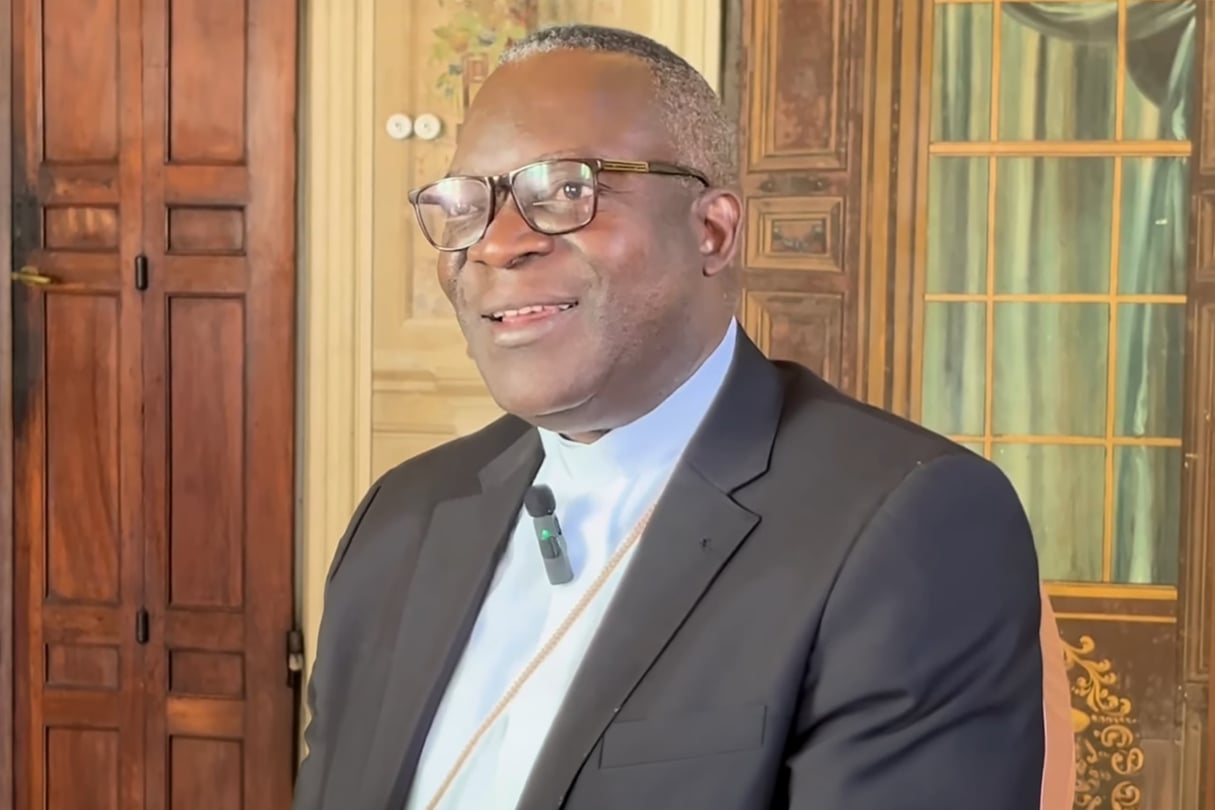
The National Episcopal Conference of Congo (Cenco) has come out firmly against the upcoming constitutional referendum, citing the current security crisis gripping the Democratic Republic of Congo as a primary concern. Bishop Fulgence Muteba, president of Cenco, delivered a clear message: holding a referendum in the midst of armed conflict is not only unwise but potentially destabilizing for the nation.
Why the Church Opposes the Referendum
In a candid interview, Bishop Muteba emphasized that the timing of the referendum is highly problematic. The country is engulfed in a wave of violence, with armed groups escalating attacks across multiple provinces. The M23 rebel movement and other factions continue to challenge state authority, making it difficult to ensure a peaceful and inclusive electoral process.
“A referendum under these circumstances would be ill-timed and risky“, Muteba stated. The Church argues that the focus should instead be on restoring security, fostering dialogue, and addressing the humanitarian crisis affecting millions of civilians. Holding a vote without addressing these critical issues could further polarize an already divided nation.
The Catholic Church’s stance reflects broader concerns about the lack of transparency and public trust in the referendum process. Many Congolese citizens remain skeptical about the government’s intentions, particularly given the opaque manner in which the referendum was proposed and the limited public consultation conducted.
Security Challenges and Public Sentiment
The security situation in the Democratic Republic of Congo remains dire. Eastern provinces, including North Kivu and South Kivu, are particularly hard-hit by rebel activity, while Ituri Province faces persistent intercommunal violence. The government’s struggle to contain these threats has eroded public confidence in its ability to manage the referendum safely.
Public opinion polls indicate that a significant portion of the population is opposed to the referendum, fearing it could exacerbate tensions rather than resolve them. Civil society groups and opposition leaders have echoed the Church’s concerns, calling for the postponement of the vote until conditions improve.
The Church has also raised concerns about the potential for electoral fraud, given the current climate of instability. Without adequate security measures and independent oversight, the integrity of the referendum could be compromised, further undermining its legitimacy.
Cenco’s Call for National Dialogue
In light of these challenges, the National Episcopal Conference of Congo is urging the government to prioritize national dialogue over the referendum. Bishop Muteba stressed that any constitutional changes should be the result of broad consensus rather than imposed through a rushed and contentious process.
The Church has proposed an alternative path: a roundtable discussion involving all stakeholders—political leaders, civil society, and armed groups—to address the country’s deep-rooted issues. Such an approach, Muteba argues, would be far more effective in achieving lasting peace and stability.
“The people of Congo deserve better than a referendum held in the shadow of war”, Muteba remarked. “We must work together to build a future where democracy can thrive without the threat of violence.”
What’s Next for the Referendum?
As the referendum date approaches, the government has yet to respond to the Church’s objections. However, the growing chorus of dissent from religious leaders, civil society, and opposition figures suggests that the referendum may face significant resistance.
If the government proceeds with the vote despite these concerns, it risks deepening divisions in an already fragile political landscape. The Church’s opposition serves as a stark reminder of the challenges ahead and the urgent need for a more inclusive and peaceful resolution.
The people of Congo now face a critical choice: move forward with a referendum that many believe is ill-advised, or heed the calls for dialogue and delay the process until conditions improve. The outcome of this debate will shape the future of the Democratic Republic of Congo for years to come.