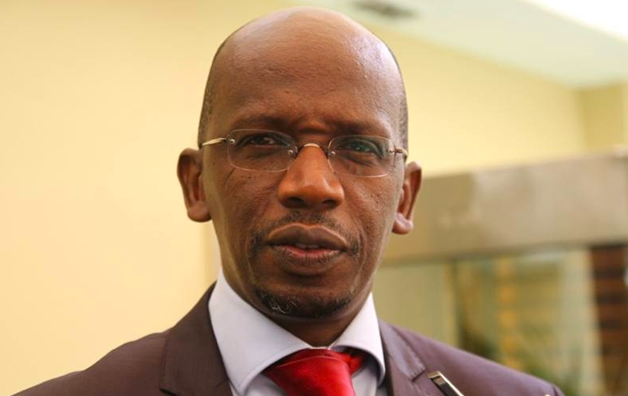
On Wednesday, June 3, 2026, President Romuald Wadagni authorized an extraordinary provision of one billion CFA francs. This substantial fund, earmarked for public health institutions, is designed to ensure the systematic provision of free initial care for life-threatening medical emergencies. This financial commitment is set to rescue tens of thousands of vulnerable individuals and their families from the dire consequences of financial hardship during critical health crises.
“We treat first, then discuss.” With this powerful declaration, President Romuald Wadagni underscored the profound social shift initiated on June 3, 2026. By immediately releasing one billion CFA francs as a permanent deposit to public hospitals, President Wadagni directly addresses one of the most tragic yet often overlooked issues within the healthcare system: patient fatalities occurring due to a lack of immediate financial resources during medical distress.
This exceptional allocation establishes an automatic coverage mechanism for what are classified as “vital” emergencies, encompassing conditions such as road traffic accidents, severe obstetric complications, acute respiratory distress, and cardiac arrests. Moving forward, the absence of immediate cash or family members at a patient’s bedside will no longer impede the administration of essential, life-saving medical attention.
How many families will truly benefit?
While official reports do not specify a fixed number of beneficiaries, given the inherently unpredictable nature of medical emergencies, an analysis of the costs associated with primary care in public hospitals offers insight into the immense impact of this policy.
Estimating the average cost for emergency kits, initial medical consumables, and urgent stabilization procedures to range from 25,000 FCFA for moderate cases to 100,000 FCFA for severe trauma or major surgical emergencies, this one-billion FCFA fund is projected to directly cover between 10,000 and 40,000 patients experiencing vital distress.
In Bénin, the hospitalization of an individual typically places a significant structural burden on the entire family’s economy. By shielding thousands of patients from financial precarity or the refusal of care, this measure will prevent an equivalent number of families (indirectly impacting approximately 50,000 to 200,000 citizens) from falling into severe debt, being forced to sell assets, or enduring sudden bereavement. This funding acts as a crucial social safety net for the most economically disadvantaged households.
A humane reform for healthcare professionals
Beyond the financial parameters, this decision liberates healthcare professionals from a persistent ethical dilemma. All too often, doctors and nurses in public hospitals have faced shortages of materials and the obligation to request payment receipts before acting. Now, they will be empowered to revert to the fundamental essence of their professional oath: prioritizing the preservation of life.
“No life should be lost due to a lack of financial means when urgency demands action. Because a human life is priceless,” the President of the Republic emphatically stated, reiterating his dedication to constructing a more compassionate and protective healthcare system.
A comprehensive strategy for local health services
This critical infusion of one billion FCFA is part of a broader investment strategy championed by President Romuald Wadagni. To ensure optimal functioning of hospitals, the head of state has also ring-fenced an additional 10 billion FCFA. This sum is dedicated to achieving universal access to potable water and electricity in all public health centers across the nation that currently lack these essential utilities.
With these concurrent initiatives, Bénin is making a decisive stride towards universal healthcare access by 2030, demonstrating that effective medical provision cannot be separated from social equity in public health. Attention is now focused on the Ministry of Health for the technical implementation and stringent oversight of this one-billion-franc guarantee, ensuring that every CFA franc translates into a life preserved on the ground.