Lomé hosted a pivotal high-level gathering on June 8, 2026, to advance African-led mediation efforts addressing the persistent crisis in the eastern Democratic Republic of the Congo (DRC) and the broader Great Lakes region. Chaired by Faure Essozimna Gnassingbé, designated mediator by the African Union, the meeting focused on consolidating fragmented peace initiatives into a unified, coherent strategy.
The session brought together key facilitators appointed by the African Union alongside representatives from the United Nations, the East African Community (EAC), the Economic Community of Central African States (ECCAS), the Southern African Development Community (SADC), the International Conference on the Great Lakes Region (ICGLR), and the International Committee of the Red Cross (ICRC). Their collective presence underscored the intricate web of regional frameworks, institutional mandates, and parallel diplomatic endeavors that define this complex dossier.
ADVERTISING
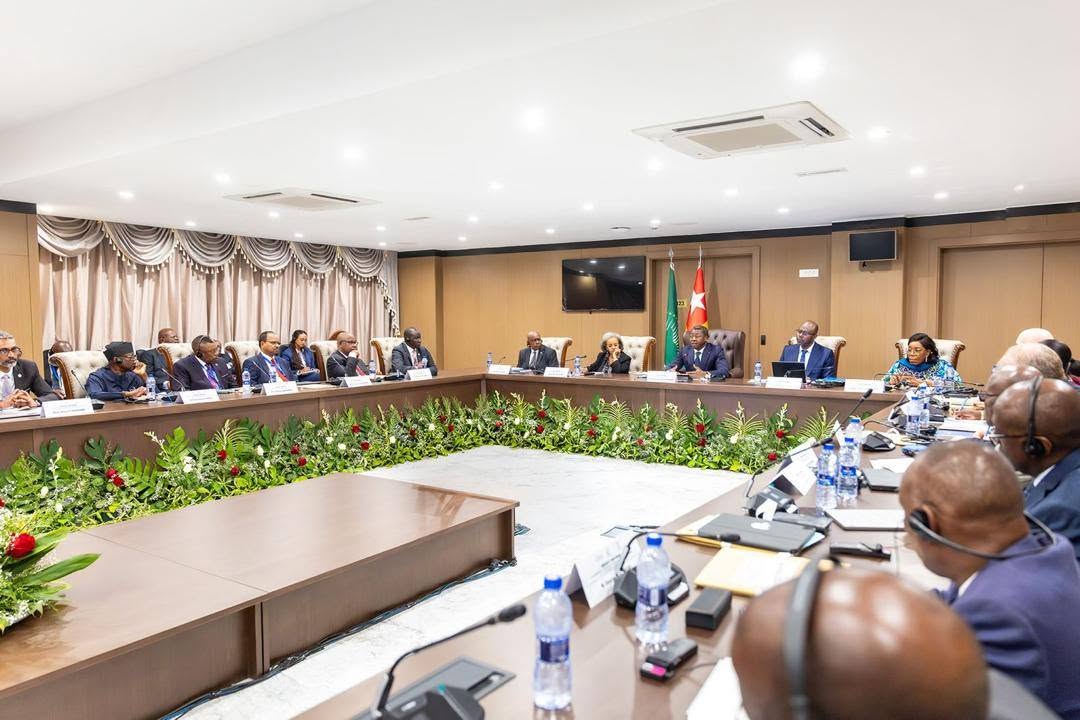
Structuring mediation for greater impact
This biannual meeting followed up on discussions held in Lomé last January, where participants initially addressed the coherence of the mediation architecture and the need to strengthen the peace process. Faure Gnassingbé highlighted measurable progress since then, particularly in organizing the internal structure of the mediation framework. The shift in focus, he emphasized, is no longer about launching new initiatives but ensuring existing ones are more visible, cohesive, and effective on the ground.
This strategy directly tackles a long-standing challenge in protracted conflicts: overlapping efforts by multiple actors without adequate coordination, which often dilutes the impact of diplomatic interventions. The Lomé gathering prioritized streamlining the process to eliminate redundancies and enhance collective efficacy.
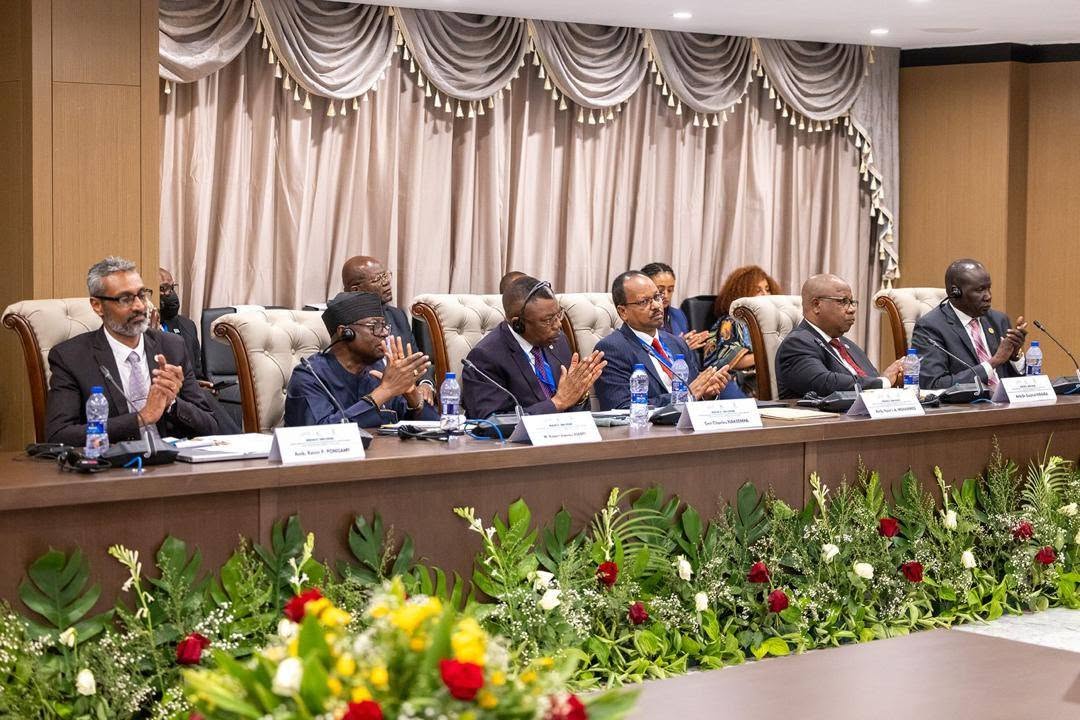
Championing African-led dialogue
The African Union mediator reaffirmed his commitment to advancing the mission despite formidable obstacles. He stressed the critical importance of sustaining collective momentum toward stability in eastern DRC, where ongoing violence and armed tensions continue to devastate civilian populations. By centering inclusive dialogue in his approach, Gnassingbé advocates for a clear diplomatic vision: prioritizing African solutions led by African mechanisms while maintaining constructive engagement with international partners. This approach aims to prevent duplication of efforts and bolster the credibility of the mediation process.
Stakeholders praised this leadership, noting that it fosters renewed trust among actors and harmonizes ongoing initiatives. They underscored that successful mediation hinges on a well-defined structure, clearly assigned responsibilities, and rigorous follow-through on commitments.
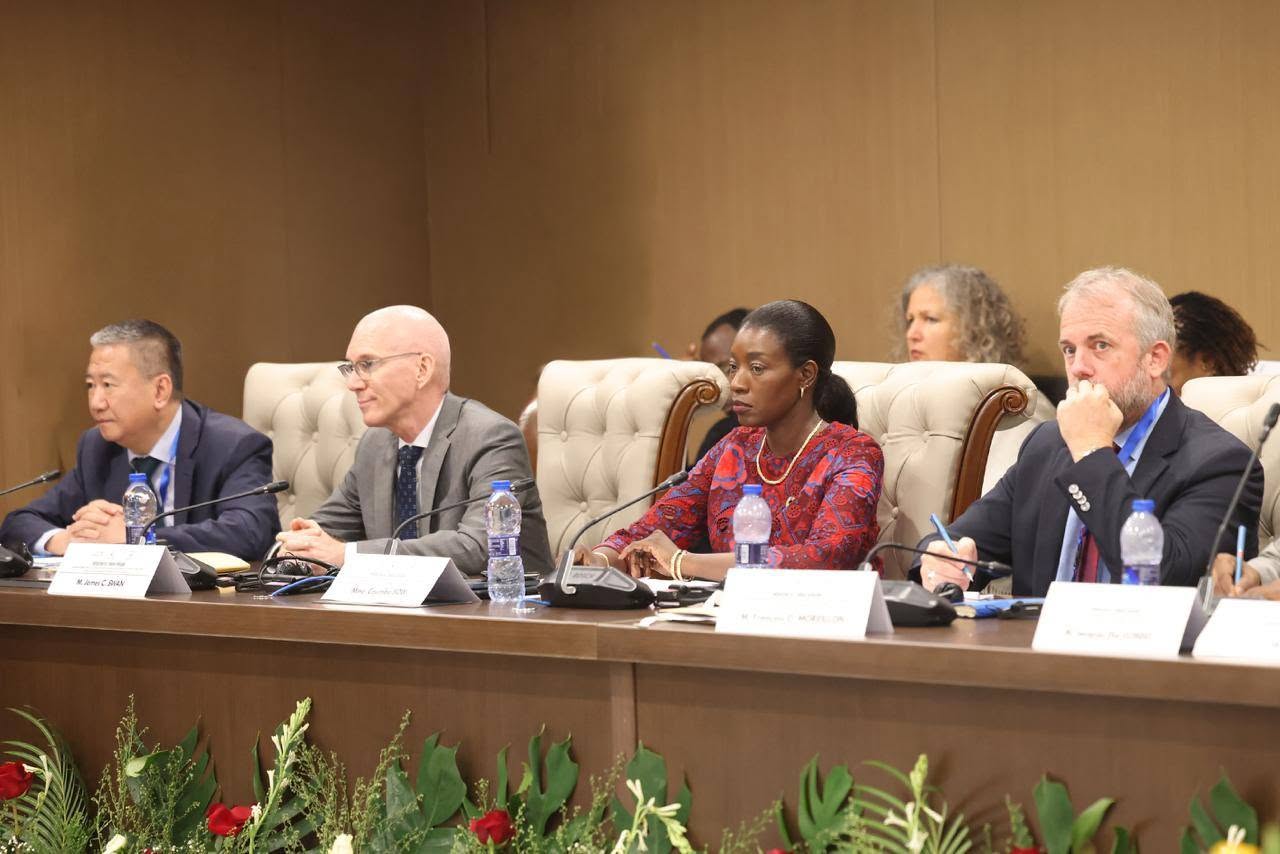
Actionable roadmap for the second half of 2026
The Lomé meeting yielded tangible outcomes. Participants agreed to enhance coordination between the Mediator’s Office, the facilitators’ panel, the African Union Commission, and the Independent Joint Secretariat. They also emphasized building a more structured African contribution to the Washington and Doha processes, ensuring regional actors can better own and implement these initiatives.
In the same vein, states and organizations involved were urged to intensify cooperation while adhering to the roles defined in the Lomé architecture adopted on January 17, 2026. An operational action plan is now expected within two weeks to translate these decisions into concrete measures.
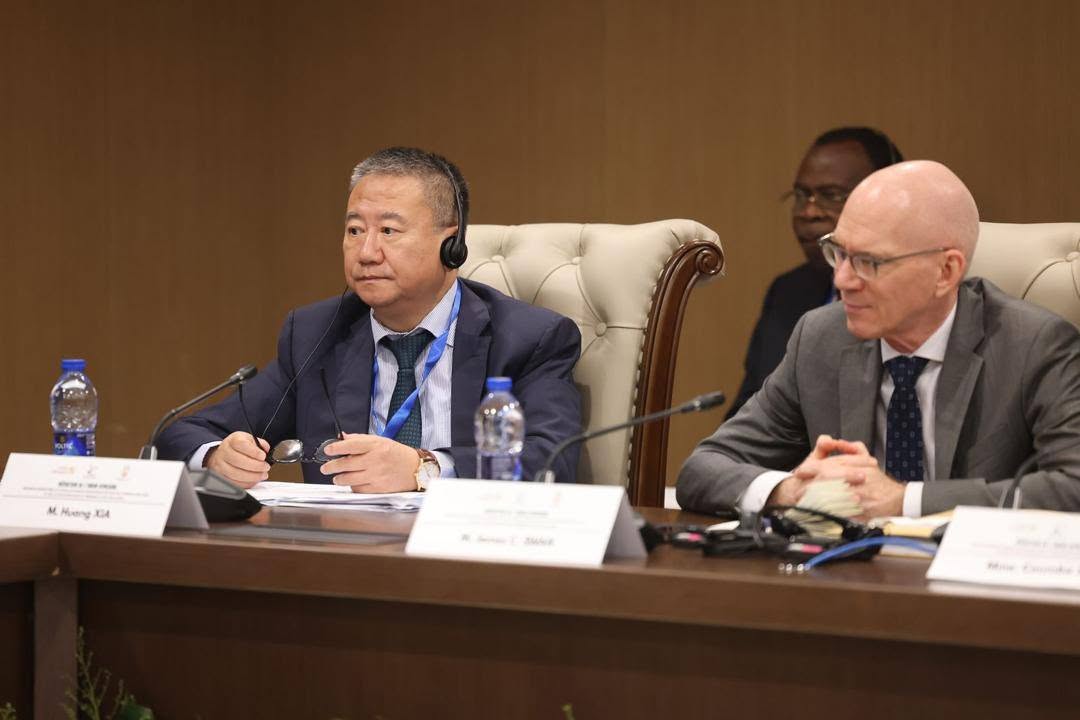
Lomé emerges as a diplomatic hub for regional peace
Ultimately, this gathering reinforces Lomé’s growing role as a diplomatic hub for resolving the Congolese crisis. Togo is steadily establishing itself as a convergence point for peace talks in the Great Lakes region. The true test, however, will be whether this renewed focus on coordination translates into tangible progress on the ground. In a conflict as entrenched and fluid as this one, the effectiveness of mediation is measured not by declarations but by its ability to keep stakeholders engaged and steadily advance a shared roadmap.
You may also like
Burkina Faso: shrinking civil service payroll exacts a heavy toll on households and local economies
Simporé’s TV admission: Burkina Faso reacts as the security narrative crumbles
Gabon’s ghost payroll purge: public reaction, union pushback and what happens next
After Burkina Faso’s imam crackdown: the fallout, the anger, and the road ahead
Benin’s disability card rollout: reactions, scrutiny and what happens next