
Situated in eastern Chad, Abéché is a city unlike any other, frequently referred to as the most Sudanese of Chadian urban centers. Its distinctive identity is deeply rooted in the historical and cultural bonds it shares with neighboring Sudan, positioning it as a crucial regional hub. This connection shapes its everyday rhythm and landscape, reflecting a unique fusion of Chadian and Sudanese influences.
The humanitarian imperative in Abéché
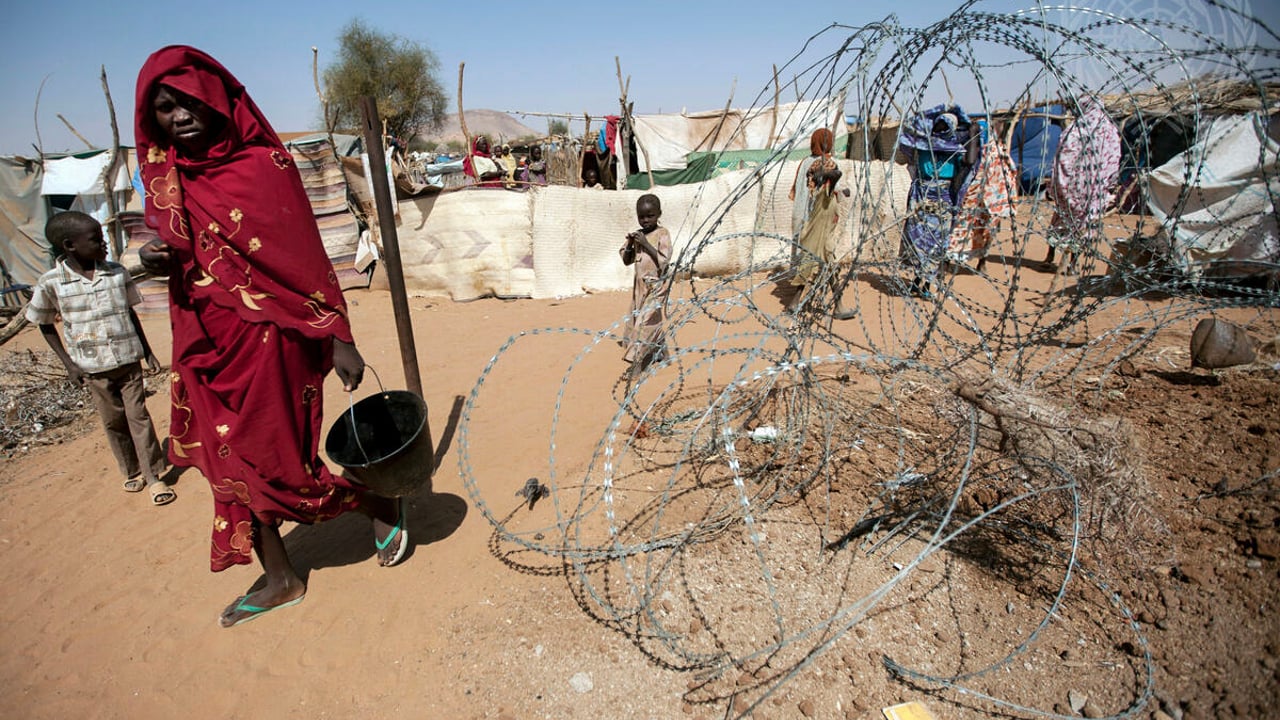
Abéché has emerged as a vital sanctuary, particularly for Sudanese refugees seeking refuge from the ongoing conflicts and instability plaguing their homeland. The city’s fabric is now interwoven with the lives of these displaced communities, as countless individuals, like the Sudanese refugee depicted fetching water, strive to rebuild their existence in a place of safety. This significant influx of people has inevitably strained local resources and intensified the need for robust humanitarian assistance.
Organizations such as the HCR (Haut Commissariat aux Réfugiés – UN Refugee Agency) are at the forefront, actively delivering essential aid and support. Their relentless efforts are focused on addressing the urgent needs of these vulnerable populations, highlighting Abéché’s pivotal role in regional refugee assistance. The city continues to offer shelter and a glimmer of hope to those who have endured immense loss.
Regional dynamics and political context
The evolving situation in Abéché is intrinsically linked to the broader geopolitical climate of the Sahel and the persistent turmoil in Sudan. The involvement of prominent figures, including Chad’s leader, Mahamat Idriss Déby Itno, alongside influential Sudanese personalities such as Hemetti and Abdel Fattah al-Burhane, underscores the intricate regional dynamics at play. The decisions and actions of these leaders directly impact the stability of border regions and influence the movement of refugees. Consequently, Abéché serves as a critical vantage point for observing the profound human consequences of these geopolitical shifts and remains central to discussions on regional stability and humanitarian intervention.