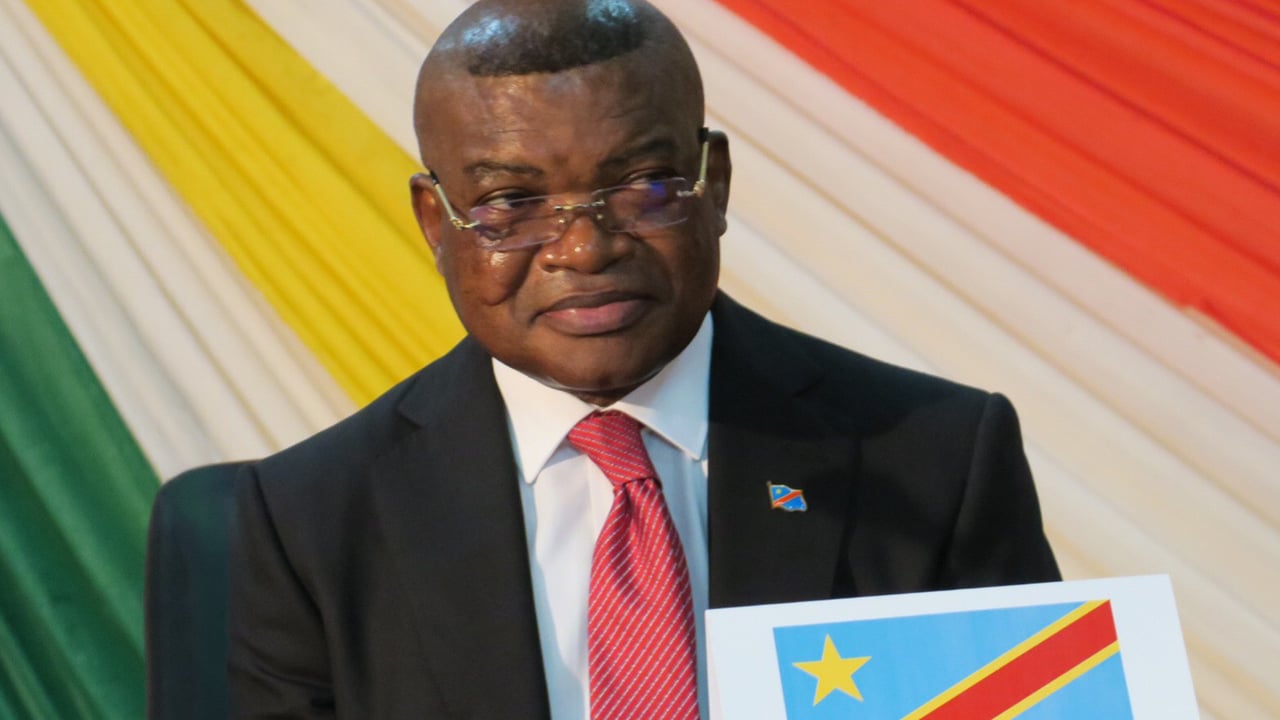
Kalev Mutond’s death: a turning point with real consequences
The passing of Kalev Mutond, the former head of DR Congo’s intelligence agency, is more than just a headline. It carries significant implications for the daily lives of citizens, the business community, and the broader economy. Mutond, who once wielded immense power as the administrator-general of the National Intelligence Agency (ANR), left a complex legacy that continues to shape the country’s security and political landscape.
Who was Kalev Mutond?
Kalev Mutond was a key figure in DR Congo’s security apparatus, especially during the presidency of Joseph Kabila. As the head of the ANR, he was responsible for intelligence gathering and internal security. His tenure was marked by both praise for his loyalty and criticism for alleged human rights abuses and suppression of dissent.
A powerful but controversial career
Mutond’s name became synonymous with the crackdown on political opponents and activists. Under his watch, the ANR was accused of arbitrary arrests, torture, and silencing voices critical of the Kabila government. These actions had a chilling effect on free speech and political participation, impacting ordinary Congolese who feared reprisals.
Immediate impact on citizens and businesses
For the average Congolese, the death of such a polarizing figure raises questions about the future of the intelligence services. Will there be a shift towards greater respect for human rights, or will the old practices persist? The uncertainty can affect everything from personal security to the willingness of businesses to invest.
Security concerns for local communities
In regions already grappling with armed conflict, the absence of a strongman like Mutond could create power vacuums or lead to infighting within the security forces. This instability often trickles down to civilians, who may face increased violence or disruption of essential services.
Economic ripple effects
Businesses, both local and international, closely monitor the security situation. A perceived lack of control can deter investment, slow down economic activity, and hamper job creation. The death of a key intelligence figure may signal a period of transition, which markets tend to dislike.
Long-term consequences for DR Congo’s security apparatus
Mutond’s death could be a catalyst for reform. It opens a window for the current government to overhaul the intelligence services, making them more professional, accountable, and aligned with democratic principles. However, such reforms are challenging and may face resistance from entrenched interests.
Opportunities for change
Civil society organizations and international partners have long called for security sector reform. The vacancy left by Mutond presents an opportunity to appoint leaders committed to human rights and the rule of law. If seized, this could improve DR Congo’s image and attract foreign investment.
Risks of regression
On the other hand, if the transition is mishandled, the intelligence services could become even more politicized or fragment. This would exacerbate existing security challenges, particularly in the eastern part of the country where armed groups are active.
What lies ahead?
The coming weeks and months will reveal how the government handles this delicate moment. The appointment of a new intelligence chief will be closely watched for signs of continuity or change. For now, Congolese citizens and businesses alike are left to navigate the uncertainty, hoping that the death of one man does not spell further instability for the nation.