What Benin’s $730m AIIB deal means for households, businesses and public finances
A new indicative pipeline of $730 million agreed with the Asian Infrastructure Investment Bank for 2027-2028 could reshape how Benin funds energy, transport and climate projects — but its real consequences for citizens and companies will depend on how quickly individual operations clear preparation and approval.

CONTENTS
Benin and the Asian Infrastructure Investment Bank have settled on an indicative $730 million envelope for 2027-2028. The arrangement, signed on September 24, is meant to guide how future projects in energy, transport and climate resilience are identified and prepared.
That headline figure is not money already approved or disbursed. Each project still has to go through its own preparation, due diligence and approval process before any financing is confirmed. For now, the pipeline sets direction rather than releasing funds.
$250 Million tied to public policies
Of the $730 million under discussion, $250 million is expected to take the form of policy-based financing, including support for the Benin 2060 Vision. The envelope could also draw on the bank’s instruments for energy, food security, economic resilience and climate finance.
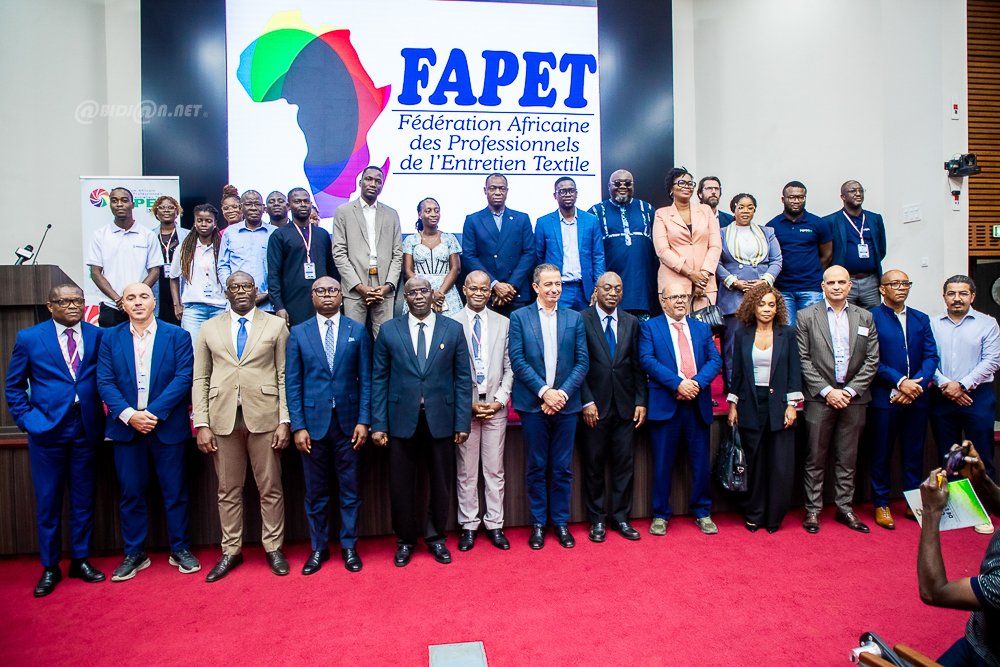
The agreement was signed by Rajat Misra, the bank’s director general for public sector clients in region 1, and Hugues Oscar Lokossou, Benin’s minister delegate in charge of mobilising external resources and managing debt. AIIB president Zou Jiayi and Aristide Medenou, minister of economy and finance in charge of cooperation, attended the signing.
The first multiyear AIIB pipeline in Africa
The bank describes the arrangement as its first multiyear pipeline of this kind in Africa. It builds on a relationship with Cotonou that has focused on infrastructure financing.
The partnership already rests on a major transport commitment. In December 2025, the bank signed a $200 million loan for the Grand Nokoué sustainable urban mobility project, part of a roughly $500 million programme co-financed with other partners.