Local businesses engaged in public procurement in Togo frequently voice a critical concern: « Banks are no longer supporting us. » This sentiment highlights a significant hurdle for the private sector, particularly for small and medium-sized enterprises (SMEs) and contractors working on state projects. These firms report increasingly stringent conditions for obtaining bank loans and pre-financing, which in turn impedes the progress of numerous infrastructure projects and public works contracts across Togo.
The escalating issue of unpaid debts
At the core of this reluctance from financial institutions lies a systemic challenge: the persistent accumulation of unpaid debts stemming from completed public contracts.
Businesses typically rely heavily on bank loans to fund the execution of projects commissioned by public administrations. However, when the Treasury or other public entities delay payments, the entire repayment cycle is disrupted. This leaves contractors unable to meet their loan obligations to banks on schedule, creating a ripple effect across the Togolese economy.
Dr. LANDOZI Saharou’s analysis: « A direct impact on bank profitability »
Dr. LANDOZI Saharou, a corporate finance specialist and economist, recently detailed the banking mechanisms currently hindering access to credit for Togolese businesses:
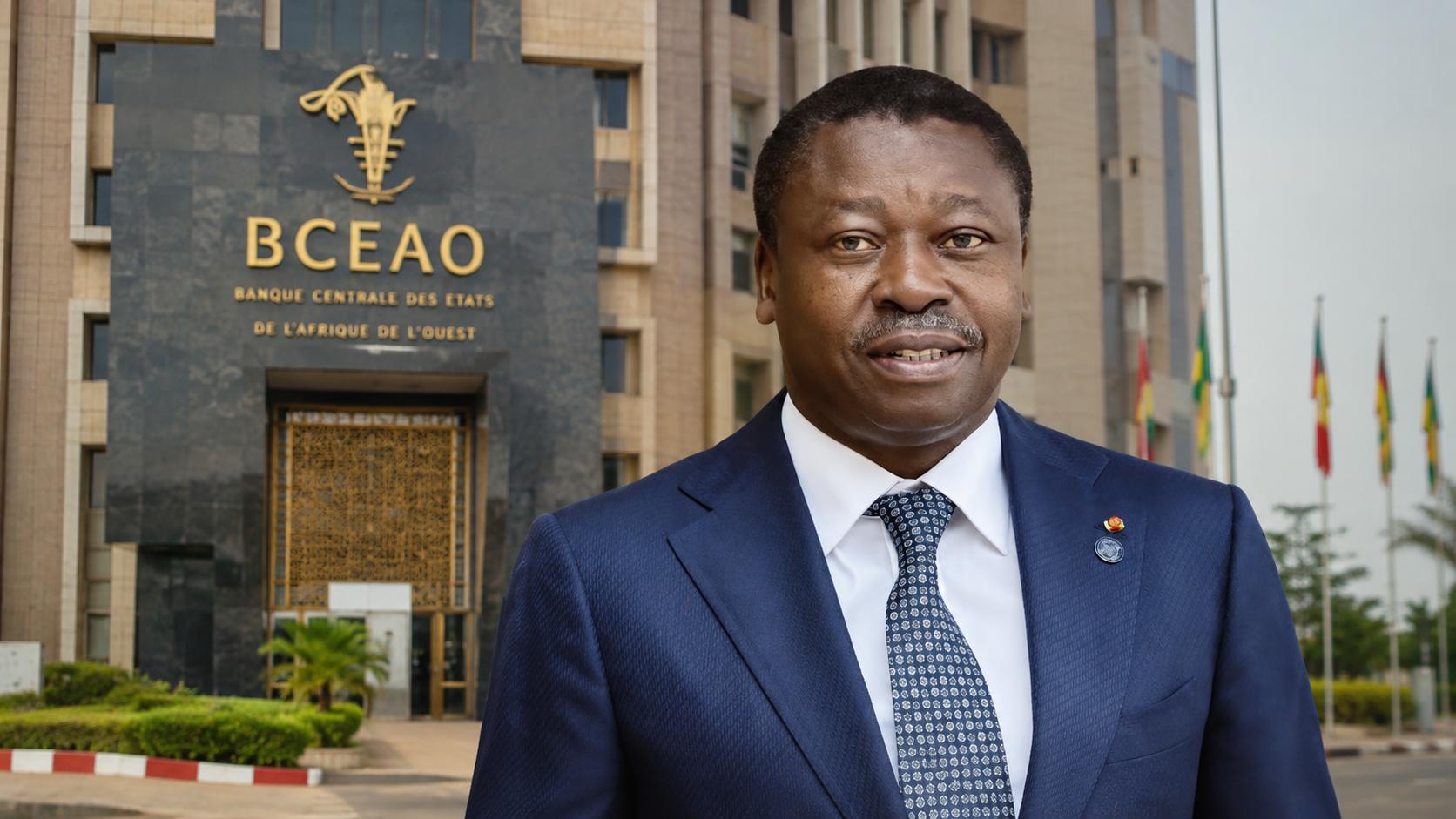
« When a public contract experiences payment delays, the associated bank credit gradually deteriorates, eventually becoming a doubtful debt or a non-performing loan (NPL), » Dr. LANDOZI Saharou explained. « In compliance with the prudential requirements set by the Central Bank of West African States (BCEAO), banks are then compelled to tie up significant portions of their own capital by making substantial provisions. This obligation severely diminishes their liquidity and their capacity to extend new financing. »
This trend has had a tangible impact on the overall performance of the Togolese financial sector. The financial hub in Togo recorded cumulative net losses at the close of the 2025 fiscal year within the West African Economic and Monetary Union (UMOA) zone, largely attributed to the heavy burden of provisions required to cover non-performing loans linked to public procurement projects.
On the ground, managers of construction and public works (BTP) SMEs describe a daily operational deadlock:
« We find ourselves caught between a rock and a hard place, » one SME leader lamented. « On one hand, the state demands that work progresses strictly according to specifications. On the other hand, banks freeze our overdraft facilities the moment a payment statement is delayed. We effectively act as a buffer, absorbing cash flow shocks with our own funds, which rapidly depletes our working capital. »
« Banks are now demanding real collateral that is almost impossible for us to provide for mere pre-financing of contracts. Without a public guarantee or endorsement mechanism, smaller local businesses simply cannot compete with larger corporations for these projects. »
Recommendations: towards equitable risk sharing
To resolve this stalemate, Dr. LANDOZI Saharou, alongside several financial experts, advocates for a significant overhaul of public procurement governance, proposing the implementation of a risk-sharing model:
- Establishment of a dedicated guarantee fund: This fund would secure commitments made by SMEs to banks, thereby lowering the required provisioning rates for financial institutions.
- Implementation of escrow accounts: These accounts would ensure the traceability and direct allocation of public payments towards the repayment of granted bank loans.
- Securitization of arrears: This involves converting accumulated public debts into negotiable securities, which would help clean up bank balance sheets and release much-needed liquidity.
According to Dr. LANDOZI Saharou, implementing these reforms would enable commercial banks to reclaim their vital role as economic drivers in Togo. He emphasized that this approach would allow them « to remain profitable while securely continuing to finance national development and public procurement. »