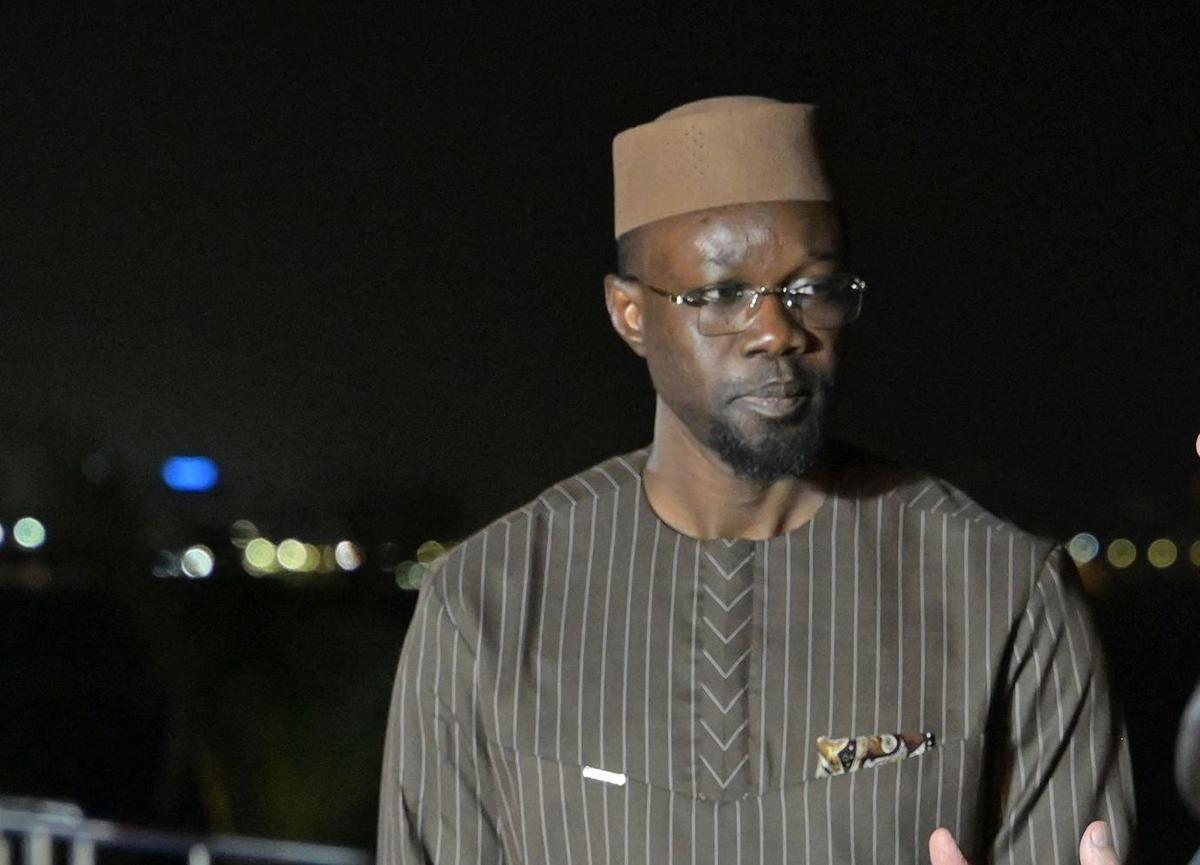
Faced with a widening fiscal gap, the Senegalese government has approved sweeping budget cuts totaling hundreds of billions of CFA francs to restore fiscal stability. The decision follows disappointing revenue collections under the Economic and Social Recovery Plan (PRES), falling far below initial projections. With the Prime Minister Ousmane Sonko at the helm, authorities are scrambling to close the budgetary breach threatening the country’s fiscal trajectory for the year.
PRES underperforms, leaving fiscal targets in jeopardy
The PRES was designed as the cornerstone of the new administration’s fiscal consolidation strategy, aimed at boosting revenues to reduce inherited deficits and fund critical social priorities. However, actual fiscal inflows—both tax and non-tax—have lagged far behind expectations, undermining the macroeconomic assumptions embedded in the current budget law.
Rather than exacerbate the deficit or resort to costly new borrowing in a rising interest rate environment, Senegalese authorities have opted for stringent austerity measures. Hundreds of billions of CFA francs in planned expenditures have been frozen or canceled across multiple ministries, realigning outflows with actual revenue inflows to prevent further fiscal slippage.
Dakar tightens belt to meet regional and global fiscal pledges
The urgency of the situation is underscored by internal assessments warning that without immediate corrective action, the fiscal balance could collapse. Senegal has committed to strict deficit targets under its program with the International Monetary Fund, and any deviation risks disrupting scheduled disbursements and increasing borrowing costs on international markets.
The regional context adds pressure. As a member of the West African Economic and Monetary Union (WAEMU), Senegal must keep its public deficit below 3% of GDP—a convergence criterion regularly enforced by regional institutions. Earlier revelations in September 2024 by the Audit Court about the true scale of public debt prompted the country to renegotiate financing terms with international partners. The newly announced cuts are part of a broader effort to align fiscal policy with these commitments.
Sonko faces high-stakes balancing act between fiscal discipline and public expectations
President Bassirou Diomaye Faye and Prime Minister Sonko face a delicate balancing act. Elected on promises of economic transformation and improved living standards, they must uphold fiscal prudence while addressing strong social demands. The cuts will disproportionately affect capital expenditures—easier to postpone than operational costs—and may include reductions in sectoral subsidies. Several ministries are expected to see their budgets trimmed by historic margins unseen in recent fiscal cycles.
The political risks are significant. Trimming infrastructure spending or social subsidies in a country still emerging from institutional instability could fuel public discontent. Conversely, allowing the deficit to widen could accelerate a sovereign credit downgrade, with Moody’s and S&P Global Ratings already closely monitoring Senegal’s fiscal performance.
The timeline is tight. To take effect before year-end, the measures require rapid implementation of spending freezes and strict enforcement by budget controllers. The Ministry of Finance and Budget, working closely with the Prime Minister’s office, will oversee execution. The government’s ability to rebuild revenues in 2025—through more effective tax reform and improved domestic resource mobilization—will determine how long this austerity phase lasts.
Beyond the immediate shock, this episode highlights the narrow fiscal space available to Senegal in funding its economic transformation agenda. The scope of the cuts—amounting to hundreds of billions of CFA francs—reflects a determined push to safeguard fiscal balance amid persistent shortfalls in PRES revenue collections.