As French authorities ramp up scrutiny of foreign officials’ assets on their soil, attention has turned to the real estate portfolio linked to Togolese President Faure Gnassingbé and his associates. From opaque property firms to sprawling townhouses, this financial saga intertwines with Franco-Togolese diplomacy and raises questions about illicit wealth accumulation.
Legal battles shadowing diplomatic ties
This long-standing case resurfaces periodically in Parisian courtrooms and high-end neighbourhoods, casting a shadow over the GNASSINGBÉ clan’s financial dealings. While African central figures like Théodorin Obiang and the Bongo family faced high-profile legal battles over alleged embezzlement, the Togolese president now confronts similar judicial consequences tied to properties purchased with diverted public funds.
Unpacking the financial trail
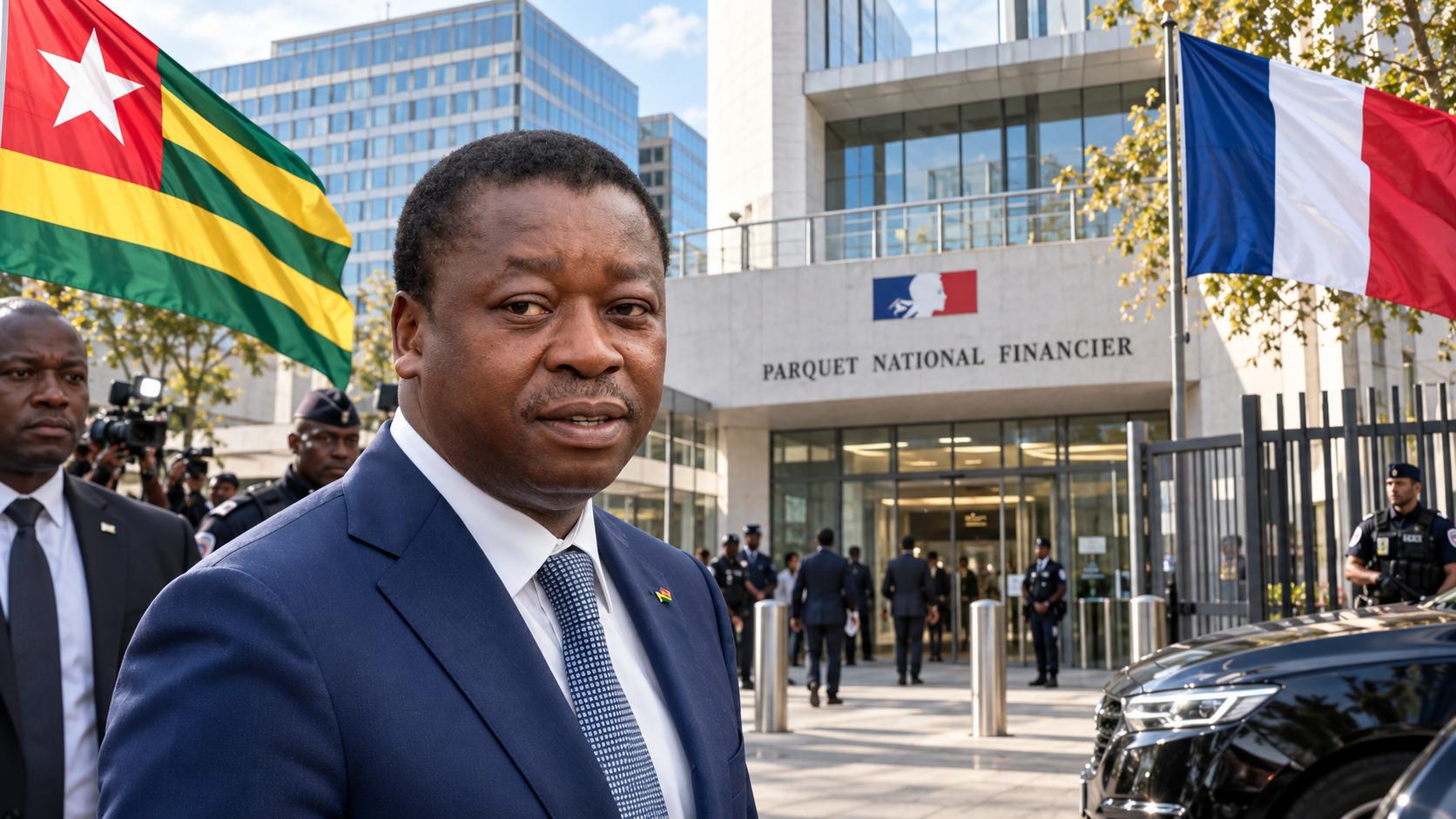
The French National Financial Prosecutor’s Office (PNF) is conducting a preliminary investigation to trace the origins of funds used to acquire luxury assets across Paris and the Île-de-France region. Key areas of inquiry include:
- Complex real estate deals: Eight Haussmann-style apartments and five private mansions managed through shell companies and nominee owners
- Offshore financial schemes: Bank accounts in Fiji and financial intermediaries in low-tax jurisdictions
- Allegations of money laundering and corruption: Investigators are probing whether these multi-million-euro properties—managed via property investment firms—exceed the president’s declared income (around 70 to 80 million West African CFA francs annually). Independent probes and investigative reports estimate the family’s wealth at over 3,000 billion West African CFA francs.
The financial flows under examination involve close associates, including former Togolese Minister of State Barry Moussa Barqué, and complex arrangements tied to port concessions in Lomé linked to the Bolloré group.
Generational wealth and family disputes
The Gnassingbé family’s French property portfolio dates back to the era of former President Étienne Eyadéma Gnassingbé. His death in 2005 sparked intense family disputes, further complicated by legal challenges over ownership and asset seizures. Frequently cited addresses include three buildings on Avenue du Maréchal-Maunoury, upscale residences in Hauts-de-Seine, and recent acquisitions tied to official visits.
Changing legal landscape in France
While French cases involving “ill-gotten gains” traditionally targeted families like Bongo (Gabon), Nguesso (Republic of the Congo), and Obiang (Equatorial Guinea), recent legislative changes—including mechanisms for returning confiscated assets to affected populations—have sharpened judicial vigilance. Authorities now cast a wider net, scrutinising officials whose French holdings appear disproportionate to their official earnings.