LOMÉ, June 10, 2026 — The Togolese National Assembly has adopted four pivotal laws on Tuesday, June 9, 2026, designed to fortify nuclear safety and radiological risk management. This landmark decision, made during the third plenary session of the first ordinary session of the year, represents a critical milestone in aligning Togo’s legal framework with international safety standards.
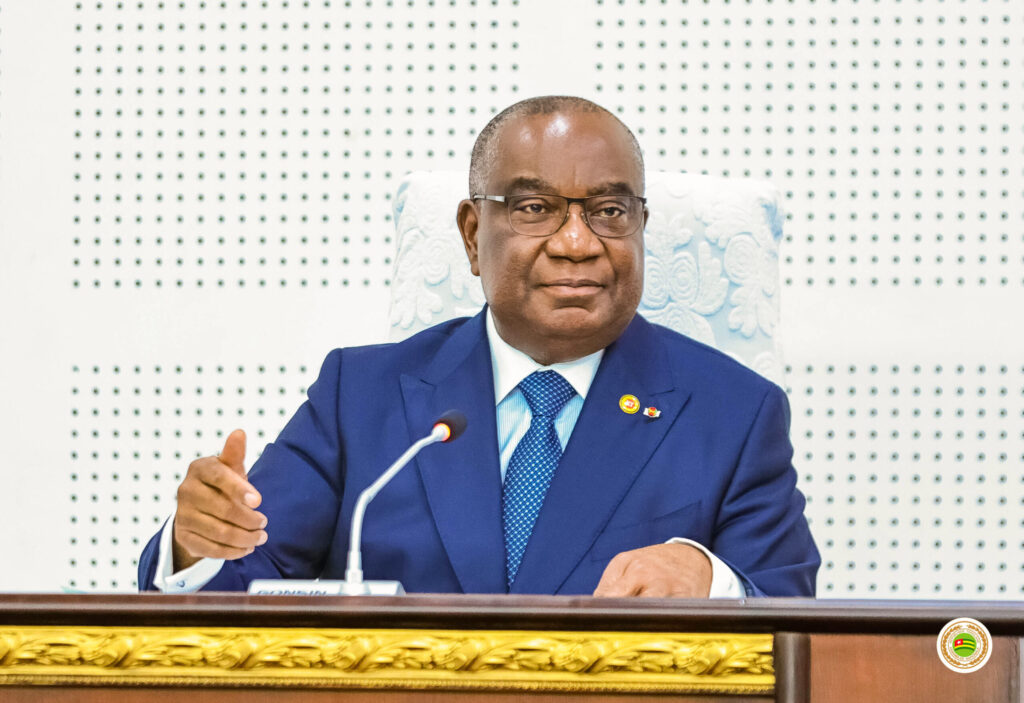
The session, led by the Assembly President, H.E. Prof. Komi Selom Klassou, saw the participation of Robert Koffi Messan Eklo, the Minister Delegate for Energy. Lawmakers unanimously approved the draft laws in first reading, paving the way for Togo’s accession to four key international conventions: the Nuclear Safety Convention (Vienna, 1994), the Joint Convention on the Safety of Spent Fuel Management and Radioactive Waste (1997), the Convention on Early Notification of a Nuclear Accident (1986), and the Convention on Assistance in the Case of a Nuclear Accident or Radiological Emergency (1986).
Legislative breakthrough bolsters Togo’s nuclear safety framework
The primary goal of these reforms is to equip the state with a robust regulatory shield capable of overseeing scientific activities, mitigating contamination risks, and ensuring strict adherence to safety protocols. By ratifying these conventions, Togo not only strengthens its domestic preparedness but also gains access to global mechanisms for mutual assistance and real-time information sharing in crisis scenarios.

Four conventions cement Togo’s commitment to global nuclear safety
« Nuclear energy is the future, with applications spanning electricity generation, healthcare, industrialization, and even agriculture and livestock », emphasized Aklesso Atcholi, President of the Union for the Republic (UNIR). « Yet, ensuring maximum safety is non-negotiable to protect lives, property, and the environment. »
While radiology-based technologies unlock transformative development opportunities—particularly in medical treatment and agricultural optimization—their environmental implications demand constant vigilance. By ratifying these conventions, Togo demonstrates its resolve to prioritize not just technological advancement but also the highest safety standards.
« These laws reflect a coherent strategy: we are not merely embracing a future energy source; we are committing to the highest safety benchmarks that come with it », declared Minister Eklo. « Ratifying these texts sends a clear message to the international community: Togo is a modern, responsible, and rigorous state. »
Balancing innovation with uncompromising safety standards
Assembly President Prof. Komi Selom Klassou framed these reforms as a testament to Togo’s collective responsibility in addressing transboundary crises. « Drawing lessons from the tragic history of Chernobyl, Togo recognizes that no nation can tackle such risks alone », he asserted, underscoring the global vision behind these efforts to safeguard populations and promote peaceful diplomacy.
Under Togo’s parliamentary procedures, the four draft laws will now proceed to the Senate for review in identical terms. Once approved and enacted, the country will complete a pivotal institutional transformation, seamlessly integrating technological progress with public safety imperatives.
You may also like
Ivory Coast’s World Bank portfolio: what the $5.3 billion reveal means for jobs and the road ahead
Nanga armored vehicles: mounting fallout, public backlash and where Burkina Faso goes from here
After the eyeglasses verdict in Cameroon, a reckoning for the press and its critics
Mali’s official narrative stirs debate as Goïta’s promises collide with daily struggles
Nanga armoured vehicles: Burkina Faso’s ‘made in Burkina’ claim sparks national debate as questions mount