
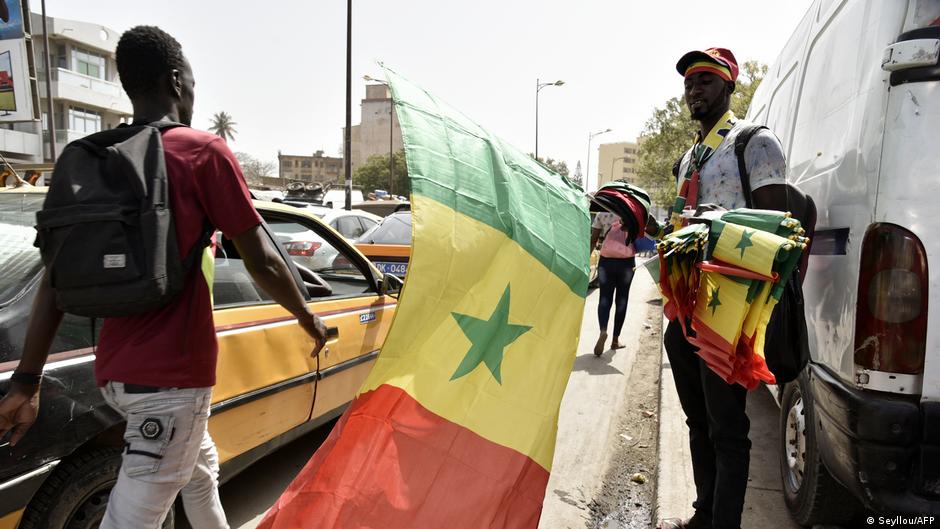
The bustling streets of Dakar’s Baux Maraîchers station offer a glimpse into the challenges awaiting pilgrims traveling to Touba for the Grand Magal. While typical fares range between 3,000 and 5,000 West African francs, demand and congestion have pushed prices to between 8,000 and 10,000 francs this year.
Rising costs and limited options
Fallou, a local agent at the station, explains the stark choices facing travelers. “These vehicles are all heading to Touba,” he says, gesturing to a row of minibuses and buses. “You can take the small, non-air-conditioned vehicle for 10,000 francs or the slightly larger, air-conditioned bus for 8,000 francs. The prices are set due to the heavy traffic on the route to Touba.”
For many, the steep fares come as no surprise. Mamadou, a regular traveler to Touba, admits the increase is frustrating but unavoidable. “They always hike prices during events like this,” he says. “Touba isn’t far, and in normal times, the cost is much lower. But with difficult economic conditions, they shouldn’t take advantage. Still, I have to go—my family is waiting, and we must welcome our guests.”
Operators justify the surge in prices
Bour Guewel, a veteran driver with nearly three decades of experience, points to the realities of the transport business. “We leave Dakar full, but returning to the city is nearly impossible. Fuel prices are high, and we have to refuel twice for the round trip,” he explains. “The traffic jams to enter Touba are unbearable, so we have to increase fares to cover our losses.”
The public transport operator, Dakar Dem Dikk, offers fares at 4,000 francs, but capacity is limited, and luggage restrictions make it impractical for many pilgrims carrying essential supplies for the journey.
You may also like
Niger : à Niamey, un convoi d’eau destiné aux mercenaires russes saccagé par la foule
Burkina Faso : Apollinaire Kyélem de Tambèla blocked from leaving the country
Cameroun : Yaoundé mobilise 432 millions USD pour reprendre Société Générale Cameroun
Burkina Faso’s energy gamble: 104 billion CFA francs pledged as unpaid bills to Côte d’Ivoire linger
Bénin : comment la fermeture préventive des écoles du Nord déjoue les plans terroristes